Lavender Festival 2026: Bhaderwah’s Purple Bloom Set to Turn Jammu & Kashmir into India’s Lavender Tourism Hub
By: Javid Amin | 30 May 2026
Bhaderwah Prepares for a Fragrant Celebration of Nature, Culture and Rural Prosperity
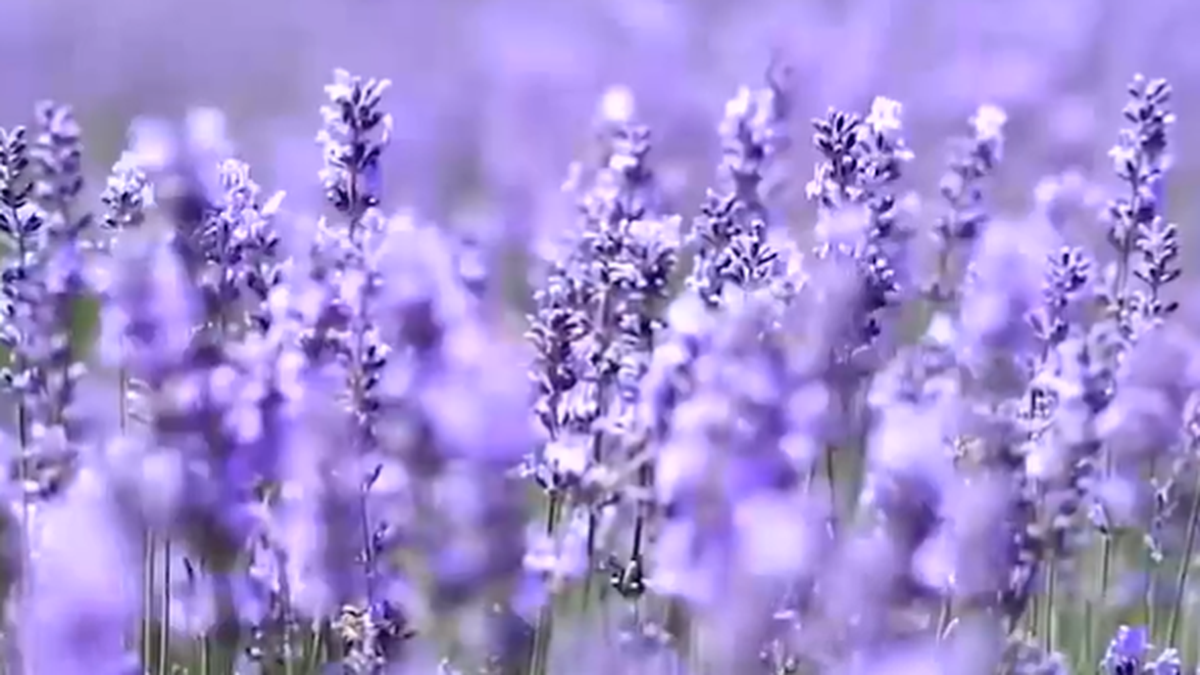
Nestled amid the lush mountains of Jammu & Kashmir’s Chenab Valley, Bhaderwah is preparing to welcome visitors from across India and beyond as the Lavender Festival 2026 unfolds on June 6 and 7. Known for its breathtaking landscapes and rapidly expanding lavender cultivation, the picturesque valley is expected to transform into a sea of purple, offering travelers a unique blend of nature, culture, agriculture, and sustainable tourism.
The two-day festival has emerged as one of the most anticipated tourism and agro-cultural events in Jammu & Kashmir. More than just a seasonal attraction, the celebration showcases the remarkable transformation of Bhaderwah into one of India’s leading lavender-producing regions.
As blooming lavender fields stretch across the hillsides, the festival aims to bring together farmers, entrepreneurs, tourists, artists, and nature lovers under a shared vision of rural development and eco-friendly tourism.
Why Bhaderwah Is Called the Lavender Capital of India
The region’s cool climate, fertile soil, and favorable altitude have created ideal conditions for large-scale lavender cultivation. Supported by scientific farming techniques and government-backed aromatic crop initiatives, local farmers have increasingly shifted toward lavender farming, which offers significantly higher returns compared to many traditional crops.
Today, Bhaderwah’s vibrant lavender fields attract photographers, tourists, researchers, and entrepreneurs alike. During the blooming season, entire landscapes turn purple, creating scenes often compared to the famous lavender fields of Provence in France.
The growing popularity of these fields has helped position Bhaderwah as a major agro-tourism destination, drawing visitors eager to experience something different from conventional hill station tourism.
Lavender Festival 2026: What Visitors Can Expect
The Lavender Festival promises an immersive experience that combines natural beauty with local traditions and community participation.
Visitors will have the opportunity to explore vast lavender farms through guided tours designed to provide insights into cultivation practices, harvesting techniques, and the production of essential oils and aromatic products.
Festival attractions are expected to include:
Guided Lavender Farm Walks
Tourists can stroll through blooming lavender fields while learning about the crop’s journey from plantation to commercial product. Farmers and experts will offer firsthand insights into the cultivation process and the economic transformation it has brought to the region.
Local Craft and Organic Product Exhibitions
Artisans and entrepreneurs will showcase a variety of locally produced goods, including:
- Lavender essential oils
- Organic beauty products
- Handmade soaps
- Herbal products
- Traditional handicrafts
- Regional specialty items
The exhibitions provide a platform for rural entrepreneurs to connect directly with consumers and promote locally manufactured products.
Cultural Performances and Folk Traditions
Traditional music, folk dances, and cultural performances will highlight the rich heritage of the Chenab Valley.
Visitors will experience the vibrant artistic traditions that have been preserved by local communities for generations, making the festival not only a tourism event but also a celebration of cultural identity.
Culinary Experiences with a Lavender Twist
Food stalls are expected to feature both traditional regional cuisine and innovative lavender-infused delicacies.
From herbal beverages to unique desserts, visitors can sample flavors inspired by the valley’s signature crop while discovering local culinary traditions.
A Major Boost for Tourism in Chenab Valley
While destinations such as Srinagar, Gulmarg, and Pahalgam dominate Jammu & Kashmir’s tourism landscape, Bhaderwah offers an entirely different experience centered around nature, agriculture, and rural culture.
Tourism stakeholders believe the festival can help diversify visitor traffic by encouraging travelers to explore lesser-known destinations beyond the Kashmir Valley.
Expected tourism benefits include:
| Tourism Segment | Potential Impact |
|---|---|
| Eco-tourism | Promotes responsible and nature-based travel |
| Farm Tourism | Encourages farm visits and agricultural experiences |
| Rural Tourism | Generates income for village communities |
| Cultural Tourism | Preserves local traditions and heritage |
| Adventure Tourism | Complements trekking and mountain exploration |
The event is expected to generate increased demand for local accommodations, transport services, restaurants, guides, and small businesses throughout the region.
How Lavender Farming Is Transforming Rural Livelihoods
Perhaps the most significant story behind the Lavender Festival is its impact on rural livelihoods.
Lavender cultivation has emerged as a profitable alternative for farmers in Bhaderwah and surrounding areas. Through government-supported aromatic crop programs and technological assistance, many growers have diversified their income streams and improved economic stability.
The value chain extends beyond farming itself.
New opportunities have emerged in:
- Essential oil extraction
- Cosmetic manufacturing
- Herbal wellness products
- Packaging and branding
- Tourism services
- E-commerce sales
As a result, lavender is increasingly being viewed not only as a crop but as a catalyst for rural entrepreneurship.
For many families, the purple fields symbolize economic opportunity and a brighter future.
Sustainability at the Heart of the Festival
One of the festival’s defining themes is sustainability.
The event promotes practices that align with environmental conservation and responsible development, including:
Organic and Eco-Friendly Farming
Lavender cultivation generally requires fewer chemical inputs compared to many traditional crops, making it attractive from an environmental perspective.
Biodiversity Conservation
The cultivation of aromatic plants can contribute to diversified agricultural landscapes and support pollinator populations.
Responsible Tourism
Festival organizers aim to encourage visitors to appreciate natural landscapes while minimizing environmental impact.
Community-Led Development
Local communities remain central to the festival’s planning and execution, ensuring that tourism benefits are distributed across the region.
This model reflects a broader shift toward sustainable tourism, where economic growth and environmental stewardship go hand in hand.
Strengthening Jammu & Kashmir’s Tourism Brand
The Lavender Festival is playing an increasingly important role in redefining Jammu & Kashmir’s tourism identity.
Traditionally known for snow-covered mountains, lakes, and meadows, the Union Territory is now adding agro-tourism and floral tourism to its growing tourism portfolio.
The festival helps position Bhaderwah as:
- India’s Lavender Capital
- A leading agro-tourism destination
- A center for aromatic crop cultivation
- A model for rural entrepreneurship
- A sustainable tourism success story
This diversification strengthens the region’s appeal among modern travelers who increasingly seek authentic, experiential, and environmentally conscious journeys.
Why Travelers Should Add Bhaderwah to Their 2026 Travel List
For visitors seeking experiences beyond conventional sightseeing, Bhaderwah offers a rare opportunity to immerse themselves in a living agricultural landscape surrounded by Himalayan beauty.
Whether it is walking through fragrant lavender fields, meeting local farmers, discovering traditional crafts, tasting regional cuisine, or witnessing folk performances, the festival provides a rich and memorable travel experience.
Unlike crowded tourist hubs, Bhaderwah offers a slower pace and a deeper connection with nature and local culture—qualities increasingly valued by today’s travelers.
The Bigger Picture: A Festival of Fragrance, Hope and Opportunity
The Lavender Festival 2026 represents far more than blooming flowers.
It tells the story of a region embracing innovation while preserving tradition. It showcases how agriculture can drive tourism, how local communities can benefit from sustainable development, and how a small mountain valley can gain national and international recognition through a unique identity.
As thousands of visitors prepare to arrive in Bhaderwah this June, the festival stands as a symbol of rural empowerment, environmental responsibility, and cultural pride.
With every lavender bloom, Bhaderwah is strengthening its reputation as one of Jammu & Kashmir’s most promising tourism destinations—and perhaps the most fragrant one as well.
Key Takeaway
Lavender Festival 2026 is set to transform Bhaderwah into a vibrant center of eco-tourism, agro-tourism, and cultural celebration. By combining lavender farming, local entrepreneurship, sustainable development, and authentic visitor experiences, the festival is helping establish Bhaderwah as India’s emerging lavender tourism capital and a flagship destination in Jammu & Kashmir’s evolving tourism landscape.