“Ball in US Court”: Iran–US Standoff Deepens as Trump Rejects Peace Plan, War Risks Rise

“Ball in US Court” Iran–US Standoff Deepens as Trump Rejects Peace Plan, War Risks Rise

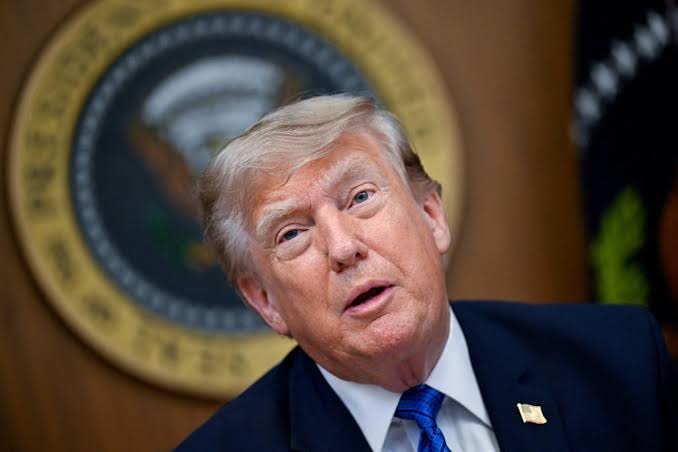
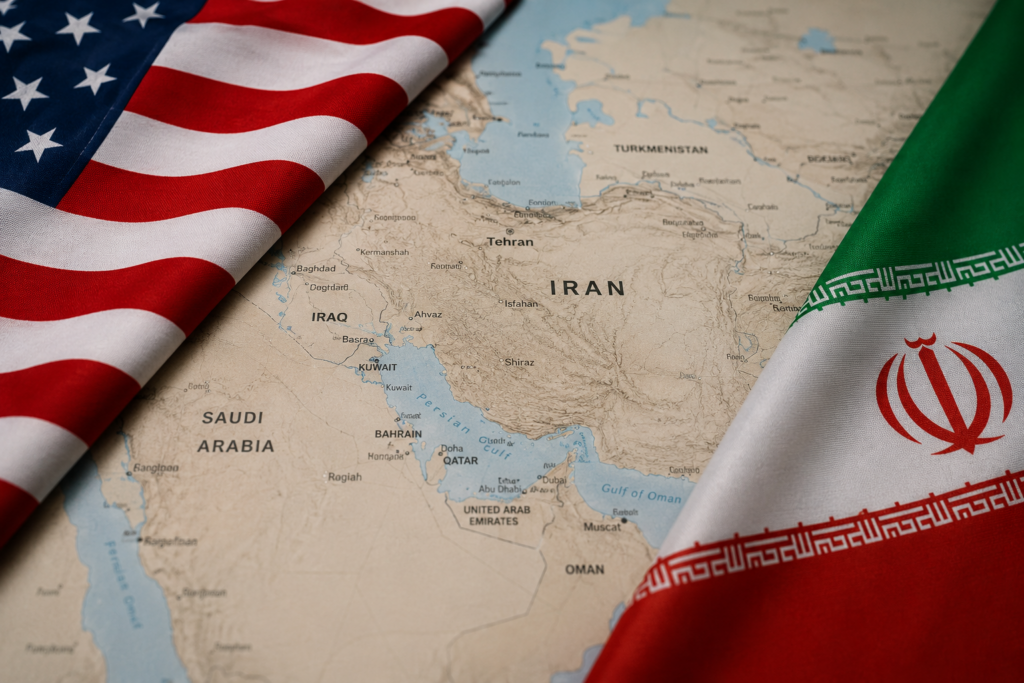
“Ball in US Court”: Iran–US Crisis Hits निर्णायक Moment as Diplomacy Falters By: Javid Amin | 03 May 2026 The US–Iran confrontation has entered a निर्णायक phase. Tehran has declared that “the ball is in the US court,” signaling readiness for either a negotiated settlement or renewed conflict. Washington’s response, however, has tilted the balance toward escalation. US President Donald Trump has outright rejected Iran’s latest peace proposal, warning that military options remain firmly on the table. The result: a geopolitical standoff where both sides claim openness to diplomacy—but neither…

Read More

Iran–US Talks in Islamabad: Confusion Over Iranian Arrival as Pakistan Locks Down Capital (24 April 2026)

Iran–US Talks in Islamabad: Confusion Over Iranian Arrival as Pakistan Locks Down Capital

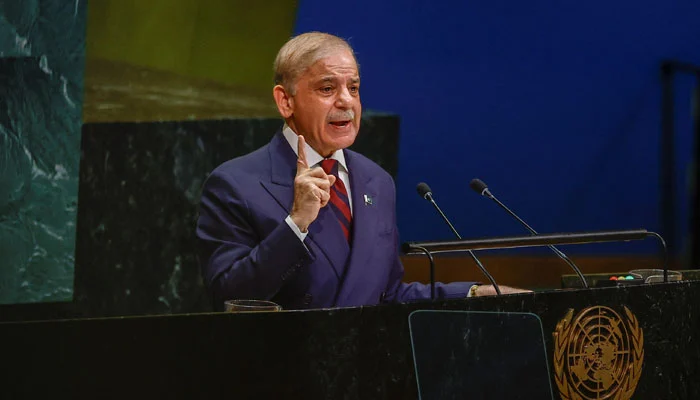
Iran–US Talks in Limbo: Islamabad Locked Down, But Tehran Yet to Commit By: Javid Amin | 24 April 2026 As of the evening of April 24, 2026 (IST), Islamabad stands on edge—fully secured, diplomatically primed, yet still waiting. Despite multiple international reports suggesting that Iran’s Foreign Minister Abbas Araghchi could arrive tonight, Tehran has officially denied that any delegation has departed. The result: a high-stakes diplomatic standoff marked by uncertainty, conflicting narratives, and rising global attention. Conflicting Signals: Arrival or Strategic Delay? The most striking feature of the current situation…

Read More

The Power of Hormuz: Iran’s Toll Strategy Reshapes Global Oil, Trade, and Geopolitics

The Power of Hormuz: Iran’s Toll Strategy Reshapes Global Oil, Trade, and Geopolitics

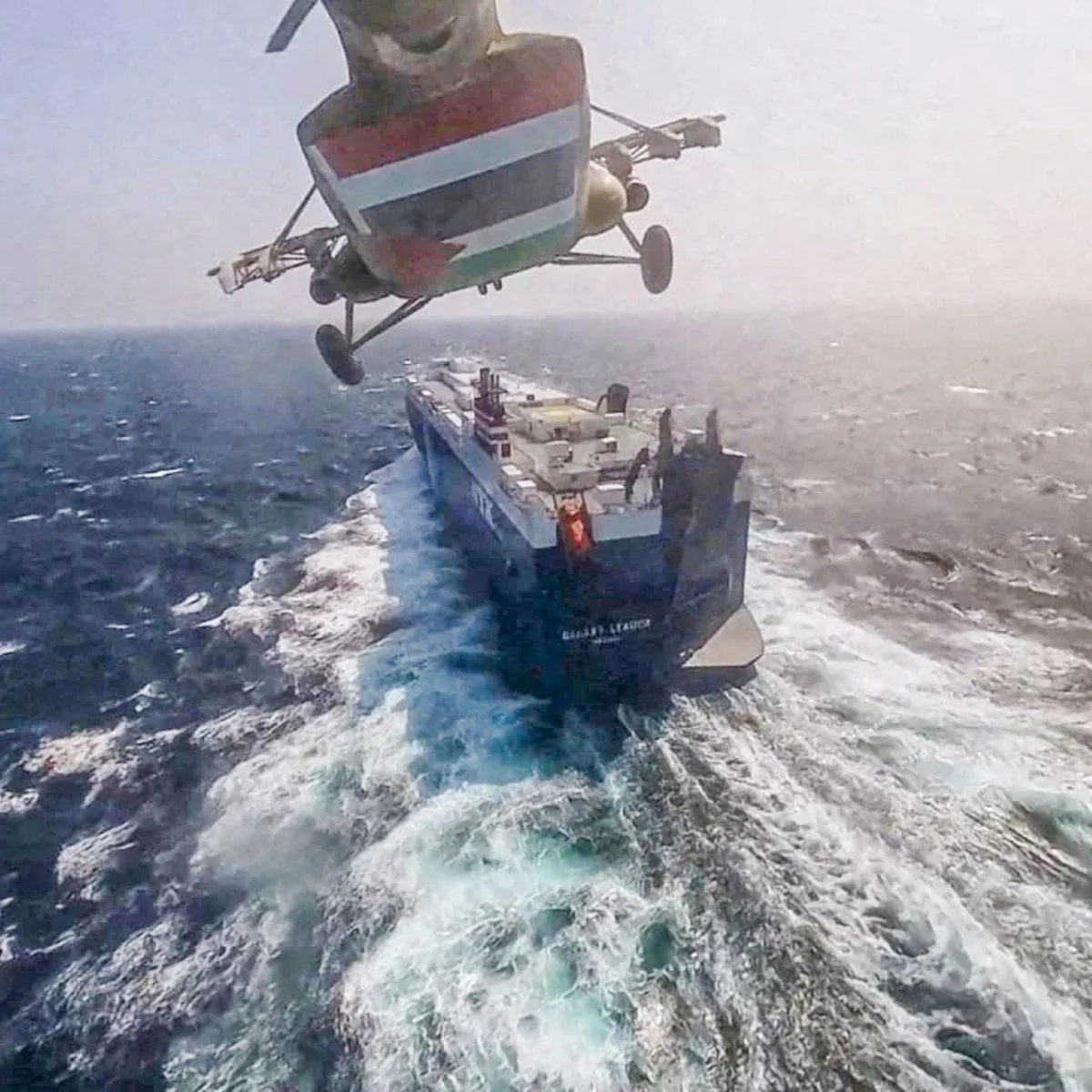
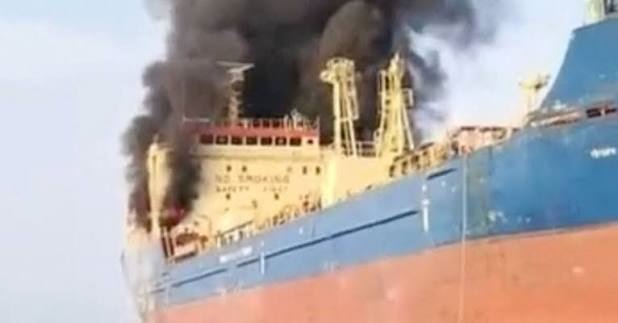
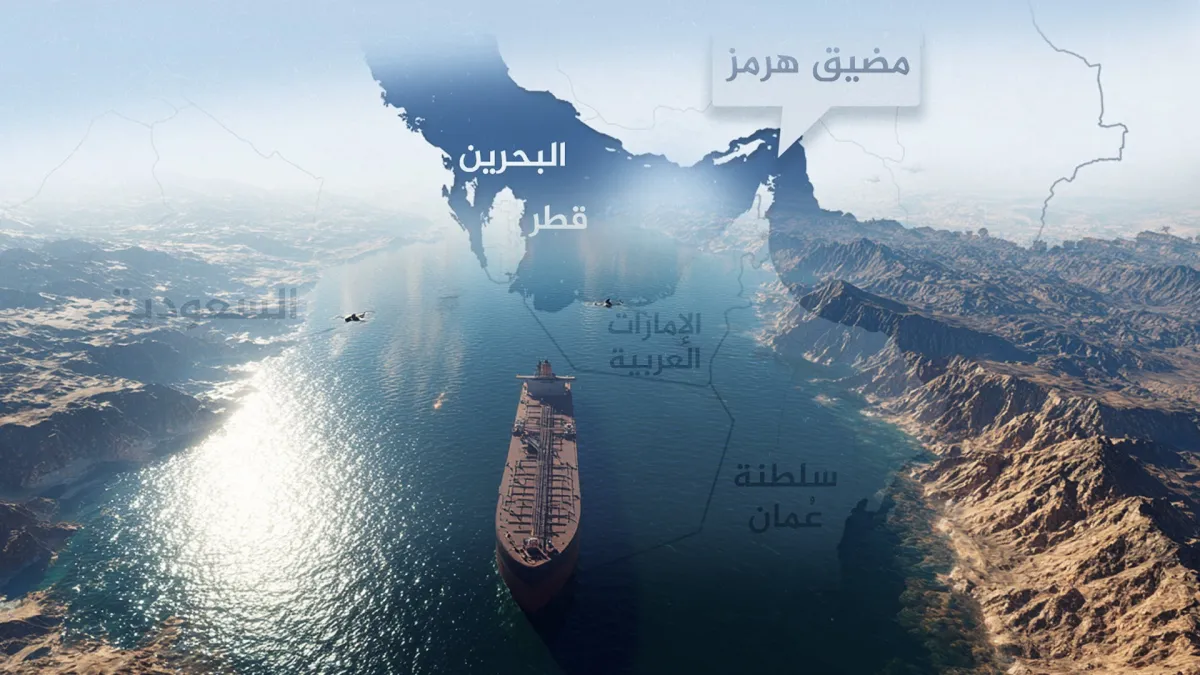
The Power of Hormuz: How Iran’s Toll Strategy Is Redefining Global Power By: Javid Amin | 24 April 2026 In geopolitics, control over geography often translates into control over destiny. Nowhere is this more evident than in the Strait of Hormuz, a narrow passage that has once again become the epicenter of global tension. Iran’s reported move to begin collecting tolls from vessels transiting the strait marks a dramatic escalation—not just in its standoff with the United States, but in how power is exercised over global trade itself. This is…

Read More

US–Iran Ceasefire Extended but Naval Blockade Persists: Talks Stall, Lebanon Fighting Complicates Peace Efforts

US–Iran Ceasefire Extended but Naval Blockade Persists: Talks Stall, Lebanon Fighting Complicates Peace Efforts

US–Iran Ceasefire Extended, But Blockade Keeps Peace Out of Reach By: Javid Amin | 22 April 2026 The United States has extended its ceasefire with Iran beyond the April 22 deadline, offering a temporary pause in direct confrontation. However, the move has not translated into meaningful progress toward peace. Washington’s continued naval blockade of Iranian ports has effectively stalled diplomacy, with Tehran refusing to negotiate under what it calls “coercive conditions.” At the same time, fresh violence in southern Lebanon and growing tensions around the Strait of Hormuz are threatening…

Read More

No Date for US–Iran Talks: Hormuz Deadlock Deepens as Tehran Flags ‘Fundamental Gaps’

No Date for US–Iran Talks: Hormuz Deadlock Deepens as Tehran Flags ‘Fundamental Gaps’

No Talks Scheduled: Iran Signals Diplomatic Pause as Hormuz أزمة (Crisis) Intensifies By: Javid Amin | 19 April 2026 A fresh setback has hit fragile diplomacy between the United States and Iran, with Mohammad Bagher Ghalibaf confirming that no date has been set for the next round of negotiations. While acknowledging “good progress,” Ghalibaf stressed that “fundamental gaps” remain unresolved—a signal that theفاوضات (talks) are effectively stalled at a critical juncture. Ground Situation: Stalemate on Land, Tension at Sea Diplomatic Reality ❌ No confirmed date for next US–Iran talks ⚠️…

Read More

Iran Reopens Hormuz: Relief for Markets, But Tensions Still Linger

Iran Reopens Hormuz: Relief for Markets, But Tensions Still Linger

Iran Reopens Strait of Hormuz Amid Lebanon Ceasefire; U.S. Blockade Still in Force By: Javid Amin | 17 April 2026 In a significant geopolitical shift, Iran has announced the reopening of the Strait of Hormuz for commercial shipping, offering temporary relief to global energy markets rattled by weeks of conflict. The move comes amid the fragile ceasefire between Israel and Lebanon, underscoring how interconnected regional flashpoints have become. Yet, despite the reopening, the United States has made it clear: its naval blockade of Iranian ports remains firmly in place, keeping…

Read More

U.S.–Iran Edge Toward Exit as War Fatigue Grows; Pakistan Emerges as Peace Broker

U.S.–Iran Edge Toward Exit as War Fatigue Grows; Pakistan Emerges as Peace Broker

A Turning Point in the Gulf: War Fatigue Pushes U.S. and Iran Toward Talks By: Javid Amin | 15 April 2026 After weeks of high-stakes confrontation, signals are emerging that both the United States and Iran may be preparing to step back from the brink. While tensions around the Strait of Hormuz remain elevated, a mix of military fatigue, economic strain, and diplomatic pressure is creating momentum for a negotiated pause—if not a full de-escalation. At the center of this fragile pivot: Pakistan, positioning itself as a critical peace broker.…

Read More

Iran Nuclear Program Survives Strikes: Enrichment Capacity Intact Despite US–Israel Attacks (April 2026)

Iran Nuclear Program Survives Strikes: Enrichment Capacity Intact Despite US–Israel Attacks (April 2026)

Strikes Without Shutdown: Iran’s Nuclear Program Remains Intact By: Javid Amin | 13 April 2026 Despite one of the most extensive aerial campaigns targeting its nuclear infrastructure, Iran’s core atomic capabilities remain operational. As of April 2026, assessments indicate that while U.S.–Israeli strikes have disrupted facilities, they have not dismantled Iran’s enrichment ecosystem. The result is a strategic paradox: visible damage, but enduring capability. At the center of this issue is not just infrastructure—but technical knowledge, dispersed systems, and strategic intent. Ground Assessment: What Was Hit—and What Survived Key Nuclear…

Read More

US–Iran Talks Collapse in Islamabad: Ceasefire on Brink as Hormuz Crisis Deepens (April 12, 2026)

US–Iran Talks Collapse in Islamabad: Ceasefire on Brink as Hormuz Crisis Deepens (April 12, 2026)

Diplomacy Fails at the Edge: US–Iran Talks Collapse, Ceasefire Enters Critical Phase By: Javid Amin | 12 April 2026 The fragile pause in the Middle East conflict is now at serious risk of unraveling. As of April 12, 2026, high-stakes negotiations between the United States and Iran in Islamabad have collapsed without agreement, marking a decisive setback in efforts to stabilize the region. After nearly 21 hours of marathon discussions, both sides walked away—leaving behind a weakened ceasefire, unresolved nuclear tensions, and a still-contested Strait of Hormuz. Ground Reality (April…

Read More

IRGC Declares “No Trust” in US, Claims Uranium Seizure Attempt as Nuclear Tensions Escalate

IRGC Declares “No Trust” in US, Claims Uranium Seizure Attempt as Nuclear Tensions Escalate

IRGC Warns “Finger on Trigger” as Iran Alleges US Uranium Seizure Plot, Raising Nuclear Stakes in Fragile Ceasefire By: Javid Amin | 09 April 2026 A Dangerous Shift Toward Nuclear Signaling The confrontation between Iran and the United States has entered a more volatile and dangerous phase—one that now carries explicit nuclear overtones. The Islamic Revolutionary Guard Corps (IRGC) has issued a stark warning: it has “no trust” in Washington and its “finger remains on the trigger.” At the same time, Iranian officials have alleged that recent U.S. military activity…

Read More