A Turning Point in the Gulf: War Fatigue Pushes U.S. and Iran Toward Talks
By: Javid Amin | 15 April 2026
After weeks of high-stakes confrontation, signals are emerging that both the United States and Iran may be preparing to step back from the brink.
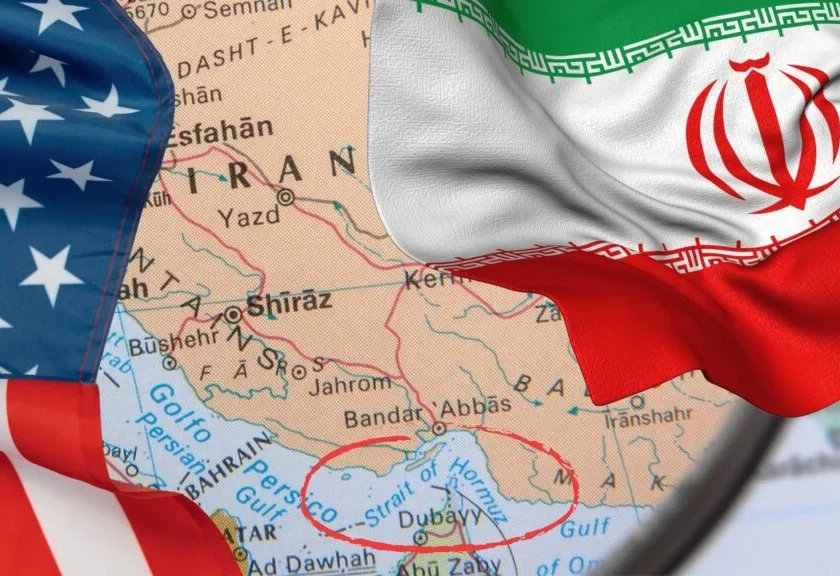
While tensions around the Strait of Hormuz remain elevated, a mix of military fatigue, economic strain, and diplomatic pressure is creating momentum for a negotiated pause—if not a full de-escalation.
At the center of this fragile pivot: Pakistan, positioning itself as a critical peace broker.
Military Reality: Strong Posturing, Quiet Exhaustion
Blockade Holds, But at a Cost
The blockade enforced by United States Central Command remains operational, with officials confirming that all vessels to and from Iranian ports were halted within 24 hours of the order.
Backed by an expanded naval presence, Washington has maintained tactical dominance at sea. Yet, sustaining such operations is proving increasingly expensive.
Donald Trump has continued to project strength publicly, warning of decisive action against any Iranian challenge—but behind the rhetoric, strategic fatigue is becoming visible.
Iran Under Internal and External Pressure
Tehran’s response has been measured but strained:
- Coastal defenses remain on high alert
- Surveillance operations intensified by the Islamic Revolutionary Guard Corps
- Domestic protests rising amid economic hardship
Iran’s leadership faces a difficult balancing act—projecting resistance externally while managing growing internal discontent.
Diplomacy Gains Ground: Pakistan Steps Into the Spotlight
Islamabad as the New Negotiation Hub
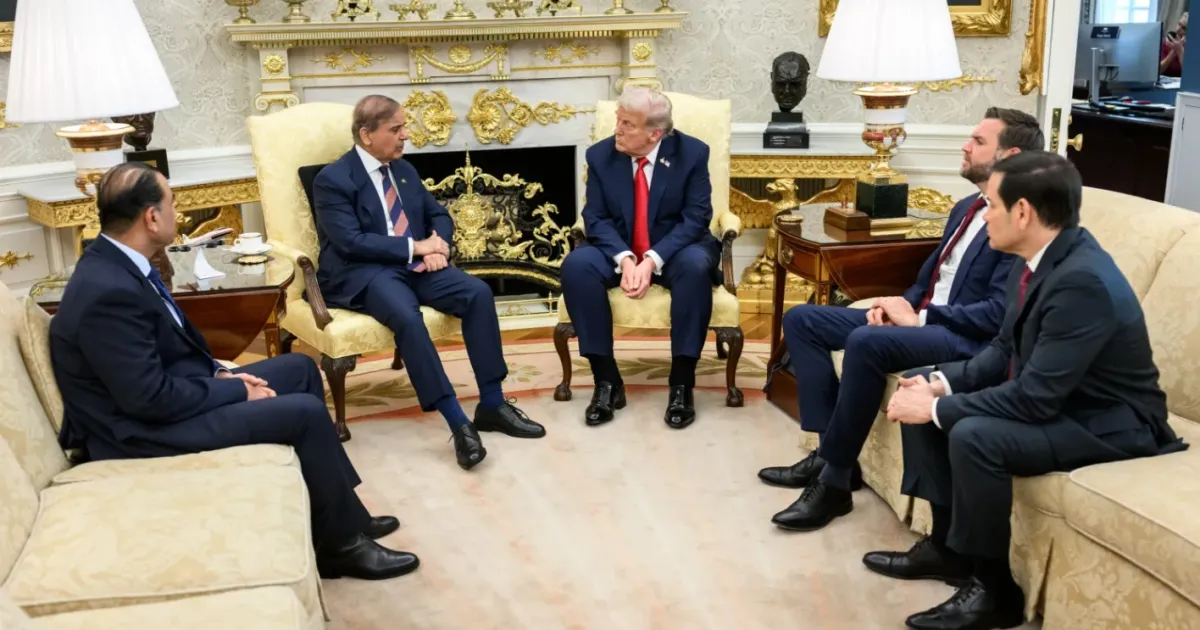
With earlier talks stalling, a second round of U.S.–Iran negotiations is expected within the next 48 hours in Pakistan.
Pakistan is increasingly being seen as a neutral facilitator capable of bridging the gap between Washington and Tehran.
Why Both Sides Are Now Willing to Talk
United States:
- Rising operational costs of naval deployment
- Domestic pressure to limit prolonged overseas engagement
Iran:
- Inflation and shortages impacting daily life
- Growing protests in major cities
Statements from both sides reflect a subtle shift:
- Trump has hinted that Iranian officials “want to work a deal”
- Iranian leadership insists sanctions relief must come first
Meanwhile, António Guterres has reiterated a key global consensus: “There is no military solution.”
Economic Pressure: The Silent Driver of De-escalation
The economic toll of the crisis is becoming a decisive factor pushing both sides toward negotiation.
Oil Market Snapshot
- Brent crude fluctuating between $110–$125 per barrel
- Previous spike crossed $150 per barrel
- Volatility driven by uncertainty around Hormuz
Shipping Disruptions Continue
Traffic through the Strait of Hormuz remains down by ≈45%, forcing rerouting and driving up costs.
South Asia Feels the Squeeze
Countries like India, Pakistan, and Bangladesh are facing:
- Rising fuel import bills
- Increased fertilizer costs
- Inflationary pressure across key sectors
This economic ripple effect is amplifying global urgency for de-escalation.
Scenario Mapping: What Comes Next
| Scenario | Likely Outcome | Regional Impact | Economic Effect |
|---|---|---|---|
| Successful Talks | Gradual easing of blockade, phased sanctions relief | Reduced Gulf tensions; Pakistan gains diplomatic stature | Oil stabilizes; shipping resumes |
| Failed Talks | Ceasefire collapses; naval clashes resume | Proxy conflicts intensify in Lebanon and Yemen | Oil spikes above $150; markets destabilize |
| Prolonged Stalemate | Ceasefire extended without deal | Continued uncertainty; humanitarian strain in Iran | Persistent oil volatility; high freight costs |
Risk Factors: Why the Situation Remains Fragile
- Any naval miscalculation near Hormuz could trigger escalation
- Proxy actors may act independently of state control
- Domestic political pressures in both countries could harden positions
Even as talks loom, the margin for error remains extremely narrow.
Outlook: A Decisive Diplomatic Window
With the ceasefire deadline roughly 10 days away, the coming days are critical.
Key Signals to Watch
- Confirmation of Islamabad talks
- Any easing of blockade enforcement
- Statements from Washington and Tehran
Strategic Assessment
This moment represents a rare convergence of incentives for peace:
- War fatigue
- Economic pressure
- Diplomatic opportunity
Conclusion: Pakistan’s Moment in a Global Power Play
As the crisis edges toward a potential turning point, Pakistan finds itself in an unexpectedly pivotal role.
Its ability to facilitate dialogue between the United States and Iran could shape not just the outcome of this standoff—but broader regional stability.
Whether this leads to a lasting de-escalation or merely a temporary pause will depend on what unfolds in the next round of talks.
For now, one reality is clear: the appetite for prolonged conflict is fading—and the search for an exit is underway.