Trump Calls Netanyahu ‘Crazy’ as Israel-Lebanon Ceasefire Raises Hope for US-Iran Deal
By: Javid Amin | 03 June 2026
Trump’s Stunning Rebuke of Netanyahu Exposes Growing Strains in Middle East Diplomacy
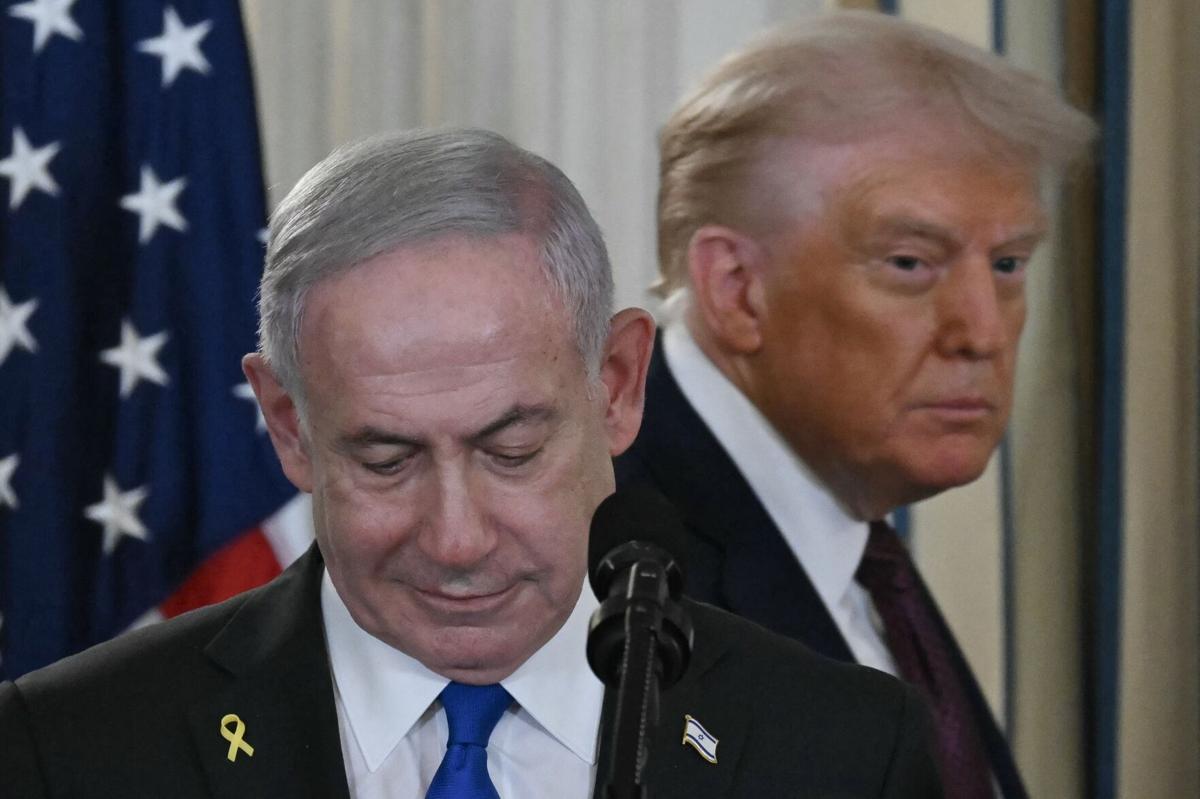
In one of the most remarkable public acknowledgments of friction between Washington and Jerusalem in recent years, U.S. President Donald Trump has confirmed reports that he referred to Israeli Prime Minister Benjamin Netanyahu as “crazy” during a heated discussion over Israel’s military operations in Lebanon.
The comment, unusual for two leaders often viewed as close political allies, highlights growing American frustration with actions that Washington believes could derail delicate negotiations with Iran.
The disclosure comes as the United States pushes simultaneously for regional de-escalation, renewed diplomacy with Tehran, and implementation of a fresh ceasefire framework between Israel and Lebanon.
Together, these developments illustrate the increasingly complex balancing act facing the Trump administration as it attempts to prevent multiple Middle East crises from converging into a wider regional war.
Trump Publicly Confirms Calling Netanyahu “Crazy”
Speaking in a podcast interview, Trump acknowledged reports that he used unusually blunt language when discussing Netanyahu’s handling of the Lebanon conflict.
The U.S. president said he was frustrated by Israel’s continued military actions against Hezbollah positions in Lebanon at a time when Washington was trying to preserve negotiations with Iran. Trump described himself as “a little bit perturbed” and confirmed that he had indeed called Netanyahu “crazy” during a phone conversation.
Despite the criticism, Trump emphasized that his relationship with Netanyahu remains strong.
“We’ve worked very well together,” Trump said, while also stressing that ongoing fighting in Lebanon was making broader diplomatic efforts more difficult.
The comments mark one of the clearest signs yet that tactical disagreements are emerging between Washington and Jerusalem despite their long-standing strategic partnership.
Why Lebanon Has Become a Major Diplomatic Obstacle
At the center of the dispute is Israel’s campaign against Hezbollah in southern Lebanon.
According to U.S. officials and diplomatic sources, Washington has been attempting to separate the Lebanon conflict from ongoing negotiations with Iran. However, Tehran has repeatedly linked progress in talks to a reduction in hostilities involving Hezbollah, one of Iran’s closest regional allies.
American officials fear that expanded Israeli operations could strengthen hardliners in Tehran and undermine efforts to secure broader regional agreements.
Reports indicate Trump personally intervened to discourage additional Israeli strikes that could have escalated the situation further.
The episode demonstrates how local military confrontations increasingly affect wider geopolitical negotiations across the Middle East.
Israel and Lebanon Reach New Ceasefire Framework
Against this backdrop, diplomatic efforts produced a significant breakthrough.
Israel and Lebanon agreed to implement a new ceasefire framework designed to reduce hostilities along the border and prevent further escalation. The arrangement was brokered with strong U.S. involvement and aims to create security zones under the control of the Lebanese Armed Forces while limiting the presence of non-state armed groups.
The agreement is intended to stop cross-border attacks, including drone operations and rocket launches that have repeatedly threatened to trigger a broader conflict.
For Washington, the ceasefire represents a critical step toward stabilizing one of the region’s most volatile flashpoints.
A Fragile Peace With Major Challenges
While diplomats welcomed the framework, major obstacles remain.
Hezbollah was not a direct participant in the negotiations and has previously rejected arrangements that restrict its military activities. Analysts warn that any renewed attack, miscalculation, or border incident could quickly unravel the agreement.
Recent history offers little reassurance.
Previous ceasefire announcements have often been followed by renewed exchanges of fire within days, highlighting the difficulty of achieving lasting stability in southern Lebanon.
As a result, many regional observers view the latest agreement as an important diplomatic achievement but not yet a guarantee of peace.
What Trump’s Comments Reveal About US-Israel Relations
Trump’s remarks are significant not because they indicate a fundamental rupture between the United States and Israel, but because they reveal differing strategic priorities.
Washington’s immediate objective is preventing a wider regional war while preserving negotiations with Iran.
Israel’s leadership, meanwhile, remains focused on degrading Hezbollah’s military capabilities and addressing security threats along its northern border.
These goals are not necessarily incompatible, but disagreements over timing, scale, and military tactics are becoming increasingly visible.
Netanyahu responded by downplaying the controversy, stating that tactical disagreements occasionally occur but emphasizing that both governments continue to share broader strategic objectives.
Iran Talks Hang in the Balance
The future of U.S.-Iran diplomacy remains closely tied to events in Lebanon.
American negotiators continue efforts to secure progress on a range of issues, including regional security arrangements, sanctions concerns, maritime stability, and broader de-escalation measures.
However, every escalation involving Israel and Hezbollah risks complicating those discussions.
Trump has repeatedly expressed optimism that negotiations can continue, yet recent tensions illustrate how vulnerable the process remains to developments elsewhere in the region.
For Iran, Lebanon remains an important bargaining chip.
For Washington, stabilizing Lebanon may be essential to advancing diplomacy with Tehran.
Key Developments at a Glance
| Development | Details | Significance |
|---|---|---|
| Trump’s Remark | Confirmed calling Netanyahu “crazy” | Rare public sign of U.S.-Israel friction |
| Iran Negotiations | Lebanon conflict affecting talks | Diplomatic complications for Washington |
| Israel-Lebanon Ceasefire | New framework implemented | Potential reduction in cross-border violence |
| Hezbollah Factor | Not directly involved in negotiations | Major uncertainty for ceasefire durability |
| Regional Stability | Multiple conflicts interconnected | High risk of renewed escalation |
The Bigger Picture
The latest developments highlight the complexity of modern Middle East diplomacy.
On one hand, Trump’s unusually candid criticism of Netanyahu reveals growing frustration inside Washington over actions that could derail broader diplomatic goals.
On the other, the Israel-Lebanon ceasefire framework demonstrates that negotiation remains possible even amid intense regional tensions.
Whether the ceasefire holds—and whether U.S.-Iran talks survive the latest turbulence—could determine the direction of Middle East politics for months to come.
For now, diplomacy has secured a temporary opening. The challenge for regional leaders will be turning that opening into lasting stability before another crisis closes it.