PoK Election Violence: Over 30 Reportedly Killed, Missing Bodies Allegations Intensify Pakistan-Occupied Kashmir Unrest
By: Javid Amin | 29 July 2026
PoK Election Violence Deepens Crisis: Over 30 Reportedly Killed as Protesters Allege Missing Bodies and Cover-Up
Pakistan-administered Kashmir has entered one of its most turbulent political phases in recent years as election-related violence and anti-government protests continue to spread across the region. Reports from local activists, protest leaders and several media outlets indicate that more than 30 people have been killed during clashes linked to the ongoing legislative assembly elections, while allegations that authorities are withholding bodies of victims have further inflamed public anger.
Although Pakistani authorities dispute many of the casualty figures and reject accusations of any deliberate concealment, the widening gap between official statements and claims made by protesters has intensified mistrust. The unrest has also renewed scrutiny of governance, electoral transparency and human rights in the disputed territory.
Election Protests Turn Deadly
The violence follows weeks of political tensions surrounding elections to the regional legislative assembly. Protesters, many associated with or sympathetic to the banned Joint Awami Action Committee (JAAC), accuse Islamabad of manipulating the electoral process and suppressing political dissent.
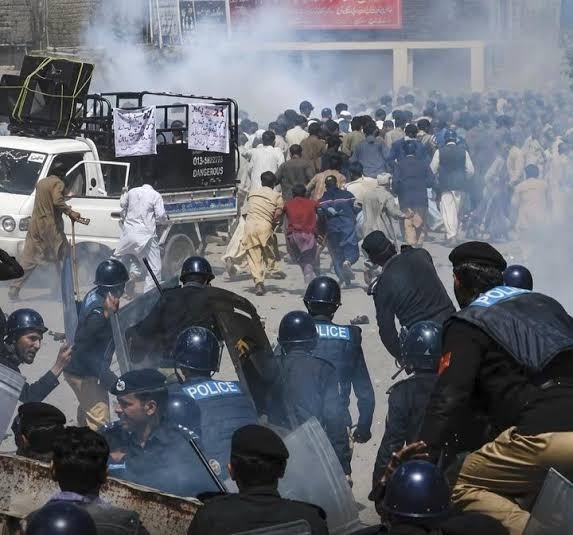
Demonstrations escalated into violent confrontations after security forces attempted to disperse crowds in several districts, particularly Rawalakot and Muzaffarabad. Independent confirmation of the exact death toll remains difficult because of communication restrictions and conflicting official accounts. Reuters reported authorities acknowledged a smaller number of deaths than those claimed by protest groups, highlighting the challenge of independently verifying casualty figures.
Missing Bodies Allegations Fuel Public Anger
One of the most sensitive aspects of the crisis involves allegations that the bodies of some people killed during the clashes have not been returned to their families.
Protesters claim relatives have struggled to locate missing individuals and accuse authorities of concealing the true scale of the violence. These allegations have become a rallying point for demonstrators, who are demanding transparent identification of victims, access to hospitals and morgues, and independent investigations.
As of now, these allegations have not been independently verified, and Pakistani authorities have denied claims of any cover-up. However, the accusations continue to dominate public discourse and have intensified anti-government sentiment across several towns.
Islamabad Rejects Cover-Up Claims
Pakistan’s government has dismissed many of the allegations circulating on social media and among protest groups, describing some reports as exaggerated or politically motivated.
Authorities say additional police and security personnel have been deployed to restore law and order and protect public property. Officials maintain that force has been used only where necessary to control violent unrest.
Nevertheless, rights groups and opposition voices continue to call for an impartial inquiry into the deaths and the conduct of security forces.
District-Wise Situation Remains Volatile
Muzaffarabad
The regional capital remains the centre of political mobilisation. Security forces have maintained a heavy presence, while restrictions on movement have periodically been imposed to prevent large gatherings. Protest marches and shutdowns have repeatedly disrupted normal life.
Rawalakot
Rawalakot has witnessed some of the deadliest confrontations reported during the unrest. Protest leaders allege many of the casualties occurred here following security operations against demonstrators. Reuters identified Rawalakot as the location where protest groups reported the highest number of fatalities.
Kotli
Residents have reported intermittent disruptions to internet and mobile connectivity, making communication difficult and complicating efforts to independently verify developments on the ground.
Neelum Valley
Although relatively calmer than other districts, demonstrations have expanded into surrounding areas, with local residents demanding accountability and independent investigations into reported killings.
Why Are Protesters Angry?
While the elections acted as the immediate trigger, public frustration has been building for months.
Key grievances include:
- Allegations of election rigging and political interference.
- Demands for greater political representation.
- Opposition to the role of refugee-designated seats in government formation.
- Rising inflation and unemployment.
- Long-standing complaints about governance and administrative control.
- Crackdown on the JAAC, which authorities banned before the elections.
Political analysts say these structural issues have combined with election disputes to produce the largest wave of unrest in the region in years.
Human Rights Concerns Draw International Attention
The reported deaths and allegations of excessive force have prompted growing international concern.
The UN human rights office has previously called for prompt, thorough and impartial investigations into deaths linked to the unrest, while rights organisations have sought independent inquiries into the conduct of security forces.
If verified, allegations regarding missing bodies and enforced disappearances could significantly increase international scrutiny of Pakistan’s handling of the crisis.
Political Fallout for Islamabad
The unrest presents a significant political challenge for Islamabad.
The government has consistently projected Pakistan-administered Kashmir as politically stable, but the continuing protests, election boycott by major political actors, and allegations of electoral manipulation have complicated that narrative. Reuters reported that the governing party emerged ahead in the election, though the vote was overshadowed by violence, boycotts and allegations of fraud.
The crisis also risks widening political divisions within Pakistan and increasing criticism from opposition parties and civil society groups.
Regional Implications
The developments are being closely monitored across South Asia because Kashmir remains one of the region’s most sensitive geopolitical flashpoints.
India has reiterated its longstanding position regarding Pakistan-administered Kashmir and criticised reports of violence against protesters, while Pakistan maintains that the elections are part of its constitutional process. The unrest has therefore added another layer of political tension to an already sensitive regional environment.
What Happens Next?
The immediate future will depend largely on whether authorities can restore public confidence through transparency and dialogue.
Analysts believe several developments will be closely watched:
- Independent verification of casualty figures.
- Clarification regarding missing persons allegations.
- Potential judicial or independent investigations.
- Whether protests continue after the remaining phases of the election.
- International responses from human rights organisations and multilateral bodies.
Without credible investigations and sustained political engagement, observers warn that unrest could persist beyond the election period and further deepen instability in Pakistan-administered Kashmir.
Conclusion
The ongoing unrest in Pakistan-administered Kashmir has evolved beyond an election dispute into a broader crisis centred on governance, political representation and public trust. While reports indicate that more than 30 people may have been killed, the precise toll and allegations surrounding missing bodies remain contested and await independent verification. What is clear, however, is that the combination of disputed elections, security crackdowns and demands for accountability has created one of the region’s most serious political crises in recent years, with implications extending well beyond the current electoral process.