US-Iran War 2026: 13 Nights of Fire, a Strangled Strait of Hormuz, and an Oil Market on the Edge
By: Javid Amin | 25 July 2026
A fragile ceasefire has collapsed into one of the most dangerous chapters of the Iran conflict yet — with Gulf allies under fire, thousands of sailors trapped at sea, and crude oil flirting with triple digits.
There’s a particular kind of dread that settles over energy markets and Gulf capitals when the words “Strait of Hormuz” and “closed” start appearing in the same sentence. That dread is back — and this time, it’s not a hypothetical.
Nearly five months after Israeli and American strikes killed Iran’s Supreme Leader Ayatollah Ali Khamenei in a single, devastating night in Tehran, the war that many hoped had cooled into an uneasy truce has roared back to life. As of this week, US Central Command has carried out 13 consecutive nights of strikes on Iranian territory, Tehran has fired back at American allies across the Gulf, and a new front has opened in the Red Sea. Caught in the middle: one of the world’s most vital oil chokepoints, and thousands of ordinary sailors who never signed up for a war zone.
This is where things stand, verified against the latest ground reporting.
How We Got Here: From a Decapitation Strike to a Broken Ceasefire
To understand why this week feels so combustible, you have to rewind to late February 2026.
In a coordinated operation that stunned even seasoned Middle East watchers, Israeli and US aircraft struck deep inside Tehran, killing Khamenei along with several members of his family and senior military command in a single strike. Iran confirmed the death within 48 hours and declared 40 days of national mourning. His son, Mojtaba Khamenei, was later installed as his successor — a transition that happened not through the usual channers of clerical succession, but in the smoke of an active war.
What followed was months of on-and-off fighting: a ceasefire that briefly held, cautious diplomacy, and a fragile calm that oil traders and Gulf governments alike were desperate to believe in.
That calm didn’t survive July.
Since the truce unraveled roughly two weeks ago, the US has resumed a punishing bombing campaign — hitting Iranian missile depots, drone facilities, naval assets, and coastal defense systems night after night. Iran, in turn, has widened its retaliation well beyond its own borders, striking American bases and infrastructure across Jordan, Bahrain, Kuwait, and Iraq.
Inside the Military Escalation: Who’s Hitting Whom
The current phase of the war is no longer a two-country fight. It has pulled in a widening circle of Gulf states, each now facing direct fire.
US strikes on Iran: CENTCOM has confirmed repeated, large-scale bombing runs — in one overnight assault alone, the US said it struck roughly 140 military sites across Iran in a single night, hitting command centers, missile batteries, drone-launch sites, and naval facilities near the Strait of Hormuz.
Iran’s retaliation on US allies: Tehran’s response has been to fire at the region’s US military footprint rather than absorb the strikes quietly. According to Pentagon figures, at least four US service members have been killed in the most recent wave of Iranian attacks — three in a missile strike on Jordan, and one in a drone-related incident in Iraq. Jordanian air defenses have intercepted multiple incoming missiles, though some have still reached the ground in remote areas.
Bahrain and Kuwait under fire: Iran’s Revolutionary Guard Corps has claimed direct strikes on US facilities inside Bahrain, including a hangar and a drone command center at a US air base, while Kuwait has reported intercepting “hostile targets” of its own. The UK Foreign Office has since advised against all but essential travel to both countries — a sober signal of how seriously London is treating the risk.
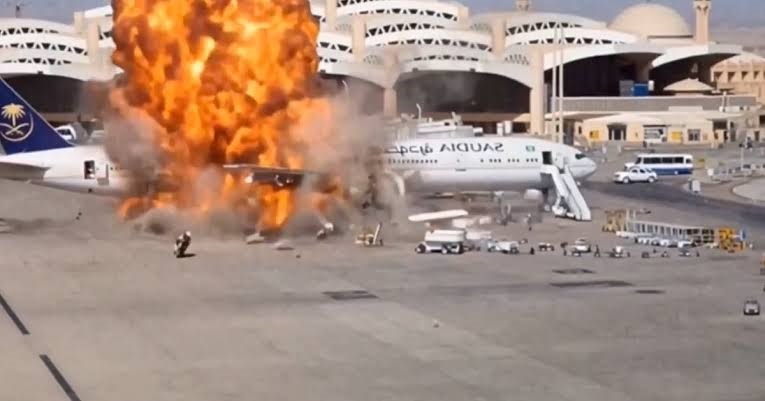
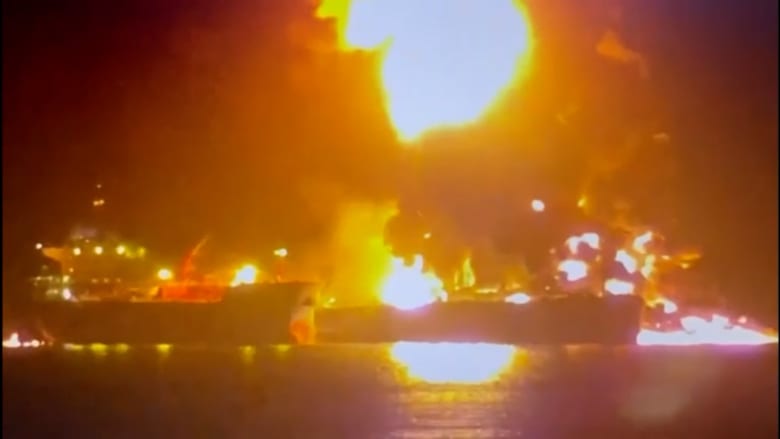
A new Houthi front in the Red Sea: Yemen’s Iran-aligned Houthi movement has opened a second flank, attacking Saudi oil tankers in the Red Sea — an alternate export route Gulf producers have leaned on precisely because the Strait of Hormuz has become so risky. President Trump has publicly warned of “major military punishment” if these attacks continue.
The human toll inside Iran: Iran’s Health Ministry has reported at least 50 deaths from US strikes since the ceasefire broke down, with more than 500 people injured — among them women and children. The Pentagon, for its part, has faced its own scrutiny after reports emerged that it was slow to disclose non-fatal troop injuries sustained during the campaign.
Ground Realities Table: Where the War Is Actually Being Felt
| Hotspot | What’s Happening | Verified Impact |
|---|---|---|
| Jordan | Iranian missile strikes; some intercepted, some landed | 3 US troops confirmed killed in latest wave |
| Iraq | Drone-related incident near US positions | 1 US service member killed |
| Bahrain | IRGC-claimed strikes on US air base facilities | Sirens, shelter warnings; UK travel advisory issued |
| Kuwait | Interception of incoming “hostile targets” | UK travel advisory; regional alert status raised |
| Strait of Hormuz | US naval blockade reinstated; tanker traffic near a standstill | ~6,000 sailors stranded on ~400 vessels, per the UN |
| Red Sea (Saudi coast) | Houthi attacks on Saudi oil tankers | New conflict front; Trump threatens retaliation |
| Iran (nationwide) | Sustained US airstrikes, 13th consecutive night | 50+ deaths, 500+ injured since ceasefire collapse |
The Strait of Hormuz: Open on Paper, Empty in Practice
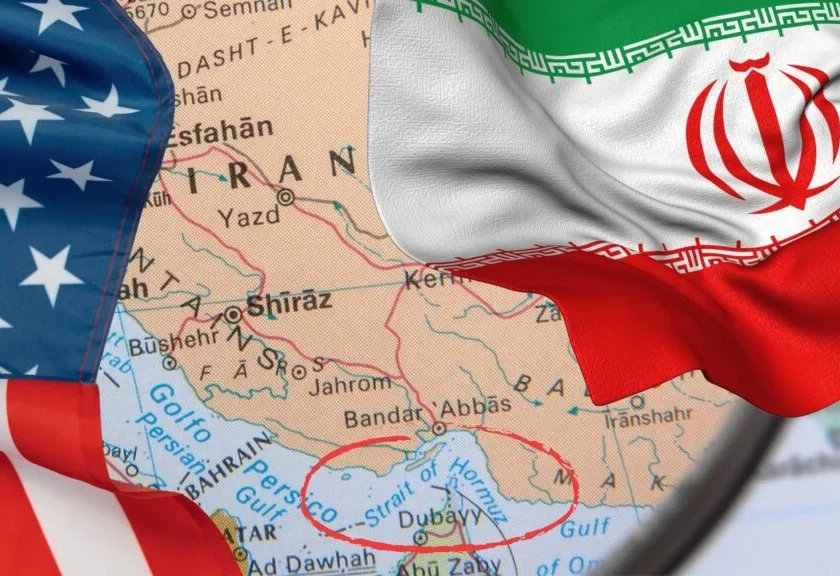
Here’s the nuance that matters most for anyone trying to understand the economic fallout: the Strait of Hormuz has not been formally sealed shut, despite how the situation is often described. The US military insists the waterway — through which roughly one-fifth of the world’s oil once passed — remains “open for transit” under American naval protection.
But insistence and reality are two different things. Ship-tracking data shows crossings have slowed to what analysts describe as a trickle, as commercial vessels and their insurers weigh the risk of sailing through an active strike zone against the cost of rerouting entirely. The US briefly floated charging a 20% fee on all cargo passing through the strait under its protection — a proposal so contentious under international maritime law that President Trump ultimately abandoned it.
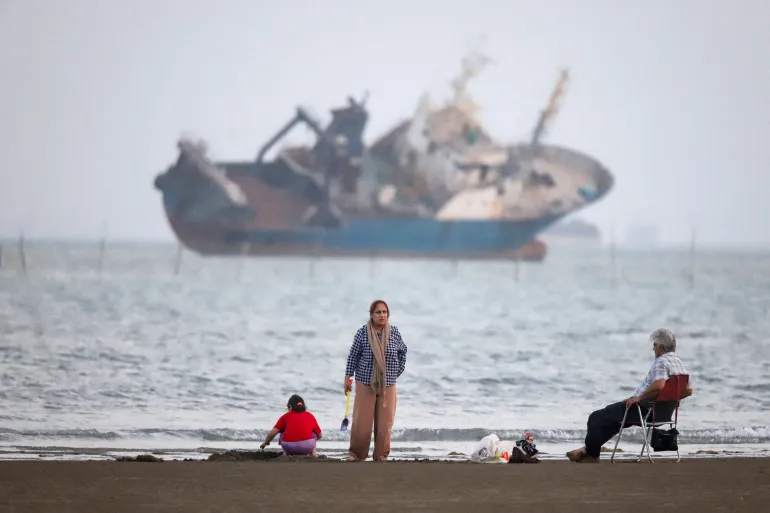
The human cost of that standstill is now impossible to ignore. The United Nations has confirmed that at least 6,000 seafarers aboard roughly 400 vessels remain stranded in and around the strait, unable to evacuate since the ceasefire first began to fray. UN human rights chief Volker Türk has called it a “dire humanitarian and human rights crisis,” with at least nine ships and 93 crew members reportedly abandoned outright by their owners. Many more sailors are believed to be stuck elsewhere in the Gulf on smaller vessels that haven’t even been accounted for yet.
Oil Markets: Volatile, Not Static
Crude prices have been on a genuine rollercoaster rather than a straight climb, and the specifics matter for anyone tracking the economic angle of this story.
Brent crude has traded as high as the $100-a-barrel mark this week amid the Houthi tanker attacks and the widening front in the Red Sea, before retreating roughly 4% to settle near $97 — still up sharply for the week. US benchmark WTI has moved in a similar band, hovering in the high-$80s after touching lower levels earlier in the month. Both benchmarks remain well below the war’s absolute peak, when Brent briefly spiked above $114 a barrel in the immediate aftermath of the February strikes.
What’s driving the recent pullback isn’t calm returning to the Gulf — it’s cautious optimism around diplomacy. Reports suggest Pakistan, backed by China, has been quietly working to revive US-Iran talks, with Beijing reportedly growing uneasy about how the disruption is hitting its own economic interests as the world’s largest crude importer.
Diplomacy: “Serious” Talks, No Ceasefire in Sight
President Trump has described the US-Iran back-channel as “getting more serious,” and has said Washington’s eventual exit from this phase of the conflict could come “either diplomatically or militarily.” That’s about as far as the optimism goes.
Tehran, for its part, has shown no appetite for a truce that doesn’t address its core grievance: the naval blockade around Hormuz. Iranian officials have also demanded financial reparations for what they characterize as US strikes on civilian infrastructure — a position Washington has shown no sign of entertaining.
Trump has simultaneously kept the threat of further escalation on the table, telling reporters he’s weighing what he called a “massive attack” on Iran if the Houthi strikes on Saudi tankers continue, and stating bluntly that the US and Israel know the whereabouts of Iran’s remaining military leadership, even if he isn’t saying what they intend to do with that information.
Risks Ahead: What Could Go Wrong From Here
An escalation spiral. Each retaliatory strike widens the circle of countries directly involved — Jordan, Bahrain, Kuwait, and Iraq are all now front-line states in a conflict that started as a bilateral US-Iran confrontation.
Civilian hardship on both sides. Iran’s healthcare system is absorbing rising casualties from nightly strikes, while Gulf states housing US bases face their own disruption risk to essential services and daily life.
A stranded maritime workforce. The 6,000 sailors caught in the Strait of Hormuz represent a humanitarian crisis that exists almost entirely outside the headlines — abandoned by shipowners, unable to disembark, and dependent on international intervention that hasn’t yet arrived.
Energy market whiplash. Even with prices pulling back from their highs, the volatility itself is corrosive — making it difficult for businesses, airlines, and governments to plan around fuel costs that can swing double digits in a single trading session.
A widening Red Sea front. The Houthi attacks on Saudi tankers threaten to turn a second waterway into a conflict zone, undermining the very alternate routes shippers have been relying on to avoid Hormuz.
The Outlook
Five months in, this is no longer a contained US-Iran confrontation — it’s a regionalized conflict with a genuine claim on global energy security. Jordan, Bahrain, and Kuwait are absorbing direct strikes as US allies. Saudi Arabia is fending off a new maritime threat in the Red Sea. And in the waters of the Strait of Hormuz itself, thousands of ordinary sailors are living the human cost of a standoff between two militaries that shows no sign of a durable resolution.
Diplomatic backchannels involving Pakistan and China offer a thin thread of hope. But with Iran unwilling to accept a ceasefire that leaves the Hormuz blockade in place, and Washington unwilling to lift it without concessions, the most honest assessment right now is the simplest one: this war is not winding down. It’s finding new fronts.
This report has been compiled and cross-checked against live wire reporting from CNN, Al Jazeera, Reuters, Bloomberg, CNBC, and UN/OHCHR statements as of July 24–25, 2026. Given the fast-moving nature of this conflict, figures on casualties, oil prices, and military activity are subject to change; readers should check for the latest updates.