Israel Elections and the US-Iran Crisis: Could Political Pressure Push the Middle East Back Into War?
By: Javid Amin| 25 October 2026
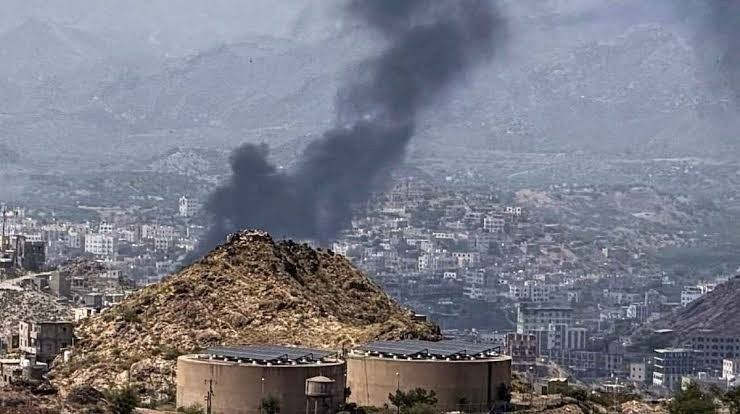
Israel’s election on October 27 and the United States midterm elections on November 3 are arriving at a dangerous moment for the Middle East. The confrontation with Iran has moved far beyond diplomatic disagreements, with military strikes, maritime attacks, economic pressure and a struggle over the strategic Strait of Hormuz shaping the region’s future.
For millions of people across the Middle East, the immediate concern is whether the conflict will escalate again. For governments in Jerusalem and Washington, the challenge is more complicated: how to pursue security objectives without allowing a prolonged war to deepen domestic political divisions or impose further economic costs.
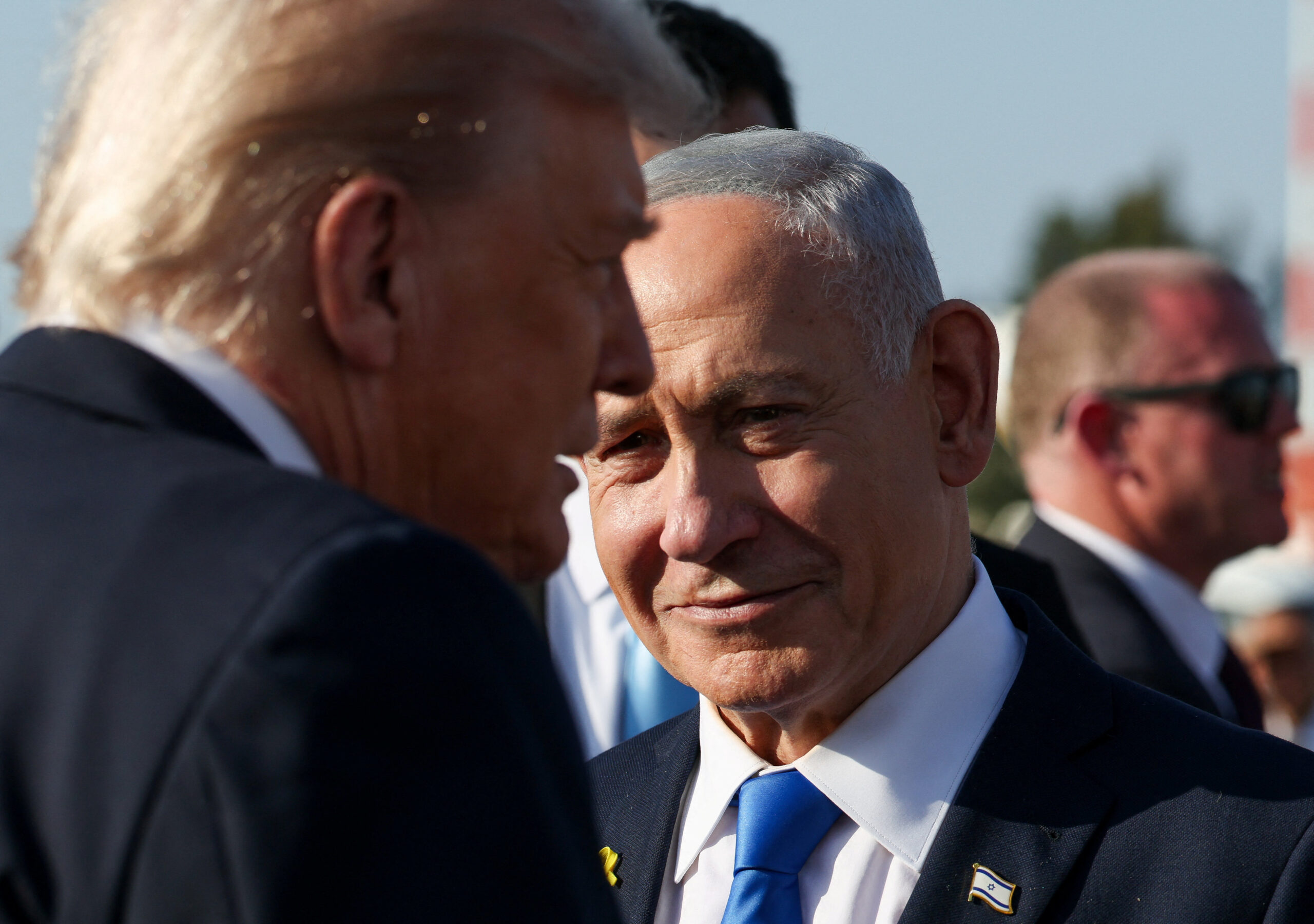
Recent reporting points to a particularly important tension. Israeli Prime Minister Benjamin Netanyahu has reportedly considered renewed strikes against Iran, while US President Donald Trump has resisted restarting a large-scale campaign before the American midterms. The Council on Foreign Relations, citing reporting by the Financial Times, included this disagreement in its October 23 assessment of the conflict.
That does not mean elections alone will determine whether fighting resumes. But the timing of the two votes raises a crucial question: could the political interests of two close allies begin to pull them in different directions just as the region needs a credible route out of war?
Israel election 2026: Netanyahu’s political survival is at stake
The October 7, 2023, Hamas attack exposed serious failures in Israel’s security system. The subsequent wars in Gaza, Lebanon and Iran have reshaped national security policy and placed extraordinary pressure on the government, the military and Israeli society.
Netanyahu remains a central figure in the country’s politics, but his long experience in office does not guarantee another victory. Reuters reported on October 19 that opinion polls suggested his bloc could lose ground, while opposition groups had yet to establish an unquestionably clear path to forming a government.
Netanyahu has consistently treated Iran’s military capabilities and regional influence as major threats to Israel. That strategic outlook is unlikely to disappear simply because the country changes prime minister.
Reuters reported on October 21 that regional policymakers and analysts expected Iran to remain Israel’s principal strategic adversary regardless of the election result. The more immediate uncertainty concerns how aggressively a future government might pursue military pressure, and how much room it would leave for diplomacy.
Israel’s electoral system adds another layer of uncertainty. Voters elect a 120-member Knesset through proportional representation, and a governing coalition needs at least 61 seats. Smaller parties can therefore play a decisive role in determining who becomes prime minister and what policies a government pursues.
The US midterms: Why Trump may want to postpone a wider war
A prolonged war can affect domestic politics through several channels: military casualties, government spending, fuel prices, inflation and public confidence in the administration’s foreign policy.
The relationship between these factors and military decisions is particularly relevant now. According to the Council on Foreign Relations’ October 23 conflict update, Trump reportedly opposed a proposed new round of Israeli strikes before the US midterms. The same assessment describes the conflict as worsening, despite earlier efforts to establish a ceasefire.
For Trump, avoiding an immediate escalation could help contain the economic and political fallout ahead of voting. For Netanyahu, demonstrating that Israel continues to confront Iran’s military capabilities may be important to his security-focused campaign.
Neither interpretation proves that either leader is acting solely for electoral advantage. Both governments face substantive security concerns, and military decisions can change rapidly in response to events.
Iran’s calculation: Pressure Washington without triggering a larger attack
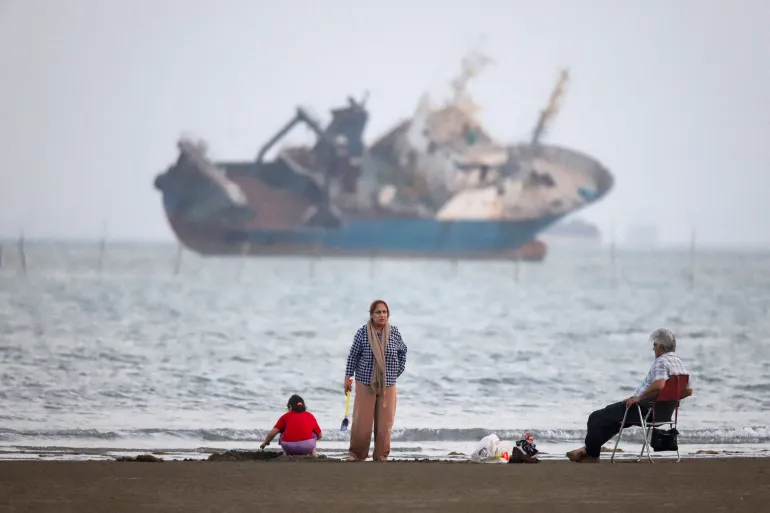
An Associated Press report published on October 26 described growing anxiety among Tehran residents, including people stockpiling food and medicine or considering leaving the capital. The report also highlighted rising prices, shortages and concerns about further bombing. These accounts provide a civilian perspective on the cost of a conflict often discussed primarily in terms of missiles, military bases and strategic objectives.
Iran’s leverage rests partly on its ability to threaten maritime traffic and raise the cost of maintaining the US military presence in the Gulf. The United States, by contrast, has greater conventional military power and extensive financial tools through sanctions and restrictions on Iranian exports.
The result is a contest in which neither side can easily obtain everything it wants without accepting considerable costs.
Strait of Hormuz: The issue that could determine whether diplomacy succeeds
The Strait of Hormuz is the central economic pressure point in the conflict.
The narrow waterway connects the Persian Gulf with the Gulf of Oman and the wider international energy market. Disruptions can affect oil exports, shipping insurance, freight costs and the price of energy far beyond the Middle East.
In September, Reuters reported that US and Iranian negotiators were exploring a phased arrangement under which Iran would reopen the strait and Washington would ease its economic blockade. The proposed approach would have linked maritime access to sanctions relief and potentially the release of frozen Iranian assets. However, the negotiations faced a fundamental obstacle: neither side wanted to surrender its leverage first.
For India, the risk is particularly important because disruptions in Gulf energy supplies could increase the cost of imports, place pressure on inflation and complicate supply chains. The impact would depend on the duration and severity of the disruption, the availability of alternative supplies and movements in global prices.
The question is therefore not merely whether Iran and the United States can agree to stop fighting. It is whether they can create a maritime arrangement that both sides consider enforceable and politically acceptable.
Are the elections connected to the possibility of a new military escalation?
The evidence points to a connection, but not a simple cause-and-effect relationship.
Three developments deserve attention:
– The Israeli election could affect the government’s appetite for military risk. Netanyahu’s continued leadership, or the formation of a government led by his rivals, may influence how Israel approaches Iran. Analysts cited by Reuters caution, however, that Iran is likely to remain a central Israeli security concern under any government.
There is also a danger in assuming that escalation would necessarily benefit an incumbent politically. A military crisis can rally public support around a government, but it can also expose security failures, increase economic hardship and deepen doubts about the leadership’s judgment.
The outcome depends on how events unfold and how voters interpret them.
Gulf states, regional security and the risk of a wider conflict
Gulf governments face a difficult balancing act. They have strong reasons to oppose threats to commercial shipping and energy infrastructure, but they also have powerful incentives to prevent the conflict from spreading to their own territory.
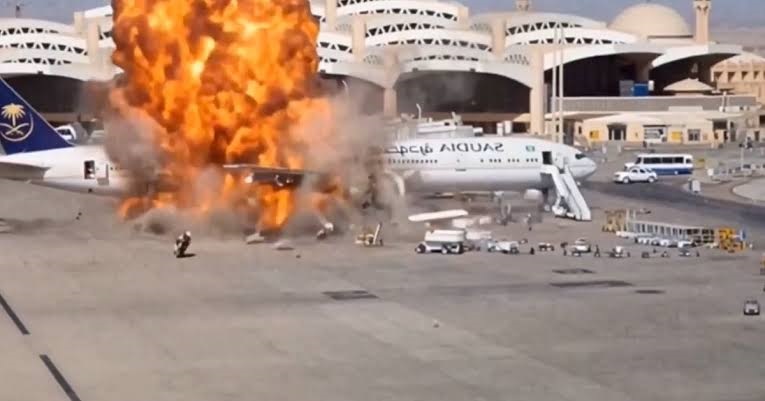
A prolonged confrontation could threaten ports, oil terminals, airports, power plants and desalination facilities. It could also increase the risk that regional armed groups become involved, opening additional fronts and complicating efforts to negotiate a settlement.
The broader concern is that a conflict between Iran, Israel and the United States could become a regional crisis involving countries that did not choose to participate in the original fighting.
Diplomacy remains important for this reason. Even limited communication channels can help prevent misunderstandings, establish temporary arrangements and reduce the risk of an incident escalating into a much larger confrontation.
What happens after November 3?
The American midterms may remove one immediate political constraint, but they will not automatically produce a diplomatic breakthrough or a new military campaign.
Reuters reported in September that Trump had indicated a possible agreement with Iran could come after the midterms. The main obstacles, however, extend well beyond the electoral calendar: Iran’s nuclear programme, sanctions relief, control of the Strait of Hormuz and the future of the US military presence in the region.
No reliable evidence establishes which outcome will prevail.
India’s interests: Oil prices, shipping and the safety of its citizens
For India, the crisis is not a distant geopolitical contest. Its effects can reach consumers, businesses and workers through energy prices and disruptions to Gulf trade.
New Delhi has several immediate interests:
-
Maintaining reliable supplies of crude oil and other energy products.
-
Protecting Indian seafarers and merchant vessels operating in the region.
-
Ensuring the safety of Indian nationals living and working across West Asia.
-
Preserving diplomatic channels with countries on opposing sides of the confrontation.
-
Limiting the economic effects of higher energy and shipping costs.
India’s diplomatic challenge is to support regional stability while protecting its economic interests. The longer the confrontation lasts, the more difficult that balance may become.
Conclusion: Two elections, one unresolved conflict
Israel’s October 27 election and the US midterms on November 3 arrive at a critical moment in the US-Iran confrontation. The electoral calendars may influence the timing of military decisions, the willingness of leaders to compromise and the political cost of a prolonged conflict.
But elections are only one part of the equation. Iran’s strategic calculations, Israel’s security doctrine, Washington’s military objectives and the economic significance of the Strait of Hormuz will continue to shape events after the ballots are counted.
The immediate question is whether the coming days create room for diplomacy or increase the temptation to use force. The deeper question is whether the parties can negotiate an arrangement that addresses their competing security concerns without leaving the region vulnerable to another round of fighting.
For now, the danger is not simply that war could resume. It is that domestic political pressures and strategic mistrust could make an already difficult conflict harder to end.