Rising Fire Incidents in J&K: A Wake-Up Call After Jammu’s Shiv Market and Srinagar’s Kaka Sarai Fires
By: News Desk| 25 October 2026
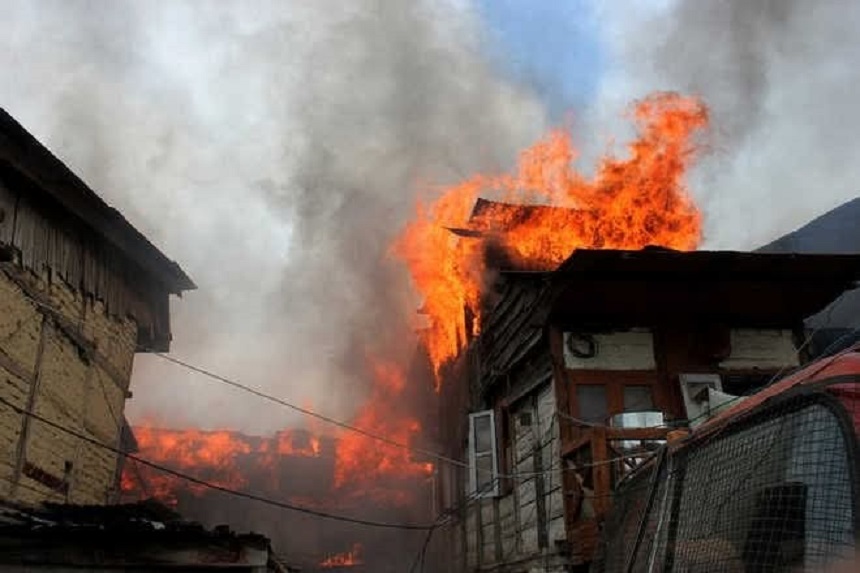
The recent major fire at Shiv Market, Jammu, which reportedly caused extensive property damage, and the devastating fire incident in Kaka Sarai, Karannagar, Srinagar have once again highlighted the growing vulnerability of residential and commercial areas to fire hazards.
While investigations generally determine the exact causes, fire officials across India frequently identify a combination of preventable factors behind most urban fire incidents.
Why Are Fire Incidents Increasing?
1. Electrical Short Circuits
The most common cause of urban fires.
Common triggers include:
- Overloaded sockets.
- Illegal wiring extensions.
- Aging electrical networks.
- Use of substandard electrical equipment.
- Excessive use of heaters during winter and air-conditioners during summer.
2. Congested Markets and Localities
Many old markets in Jammu and Srinagar were built decades ago and face:
- Narrow lanes.
- Encroachments.
- Difficult access for fire tenders.
- Closely packed structures that allow fire to spread rapidly.
3. Lack of Fire Safety Equipment
Many shops and buildings lack:
- Fire extinguishers.
- Smoke detectors.
- Emergency exits.
- Fire alarms.
- Water hydrants.
4. Unsafe Storage Practices
Particularly in markets:
- Storage of LPG cylinders.
- Paints and chemicals.
- Wooden materials.
- Fabric and plastic stocks.
These materials can turn a small spark into a major blaze.
5. Human Negligence
Examples include:
- Leaving heaters unattended.
- Unattended cooking.
- Cigarette butts.
- Improper use of candles and incense.
- Unauthorized electrical modifications.
Who is Responsible?
The responsibility does not lie with one agency alone.
Public Responsibility
- Safe electrical installations.
- Avoiding overloading circuits.
- Maintaining fire extinguishers.
- Following safety norms.
Shop Owners and Building Owners
- Obtaining fire clearances.
- Installing alarms and extinguishers.
- Conducting periodic safety inspections.
- Ensuring emergency exits remain accessible.
Municipal and Development Authorities
- Enforcing building norms.
- Preventing illegal encroachments.
- Maintaining adequate road access.
Fire & Emergency Services
- Awareness campaigns.
- Building inspections.
- Emergency preparedness.
- Response capacity enhancement.
Fire Safety Do’s
✅ Install certified fire extinguishers.
✅ Check household and shop wiring regularly.
✅ Use quality electrical products.
✅ Keep LPG cylinders in ventilated areas.
✅ Maintain emergency contact numbers.
✅ Install smoke detectors where possible.
✅ Switch off electrical devices before leaving.
✅ Keep rooftops, attics and storage areas clear of unnecessary combustible material.
✅ Conduct periodic fire drills in commercial buildings.
Fire Safety Don’ts
❌ Do not overload extension boards.
❌ Do not use damaged wires or plugs.
❌ Do not block staircases and exits.
❌ Do not store fuel, chemicals or LPG near electrical points.
❌ Do not leave room heaters unattended.
❌ Do not use illegal electrical connections.
❌ Do not ignore sparks, burning smells or frequent tripping of circuit breakers.
❌ Do not allow unauthorized modifications of electrical systems.
Ground Reality in Kashmir
Many traditional settlements and markets in Kashmir, including parts of Downtown Srinagar, Karannagar, Fateh Kadal, Maharaj Gunj and several old urban clusters, consist of:
- Closely packed structures.
- Wooden architecture.
- Narrow lanes.
- Limited fire tender access.
When a fire breaks out in such localities, even a few minutes’ delay can result in the spread of flames to multiple structures.
Similarly, major commercial centres in Jammu and Srinagar often contain aging electrical infrastructure alongside increasing power consumption, creating additional fire risks.
The Way Forward
Experts generally agree on five priority measures:
- Comprehensive fire audits of markets.
- Modernisation of electrical infrastructure.
- Installation of fire hydrants in dense urban areas.
- Regular enforcement of fire-safety compliance.
- Public awareness and preparedness campaigns.
The recent incidents at Shiv Market and Kaka Sarai serve as reminders that fire prevention is not only the responsibility of firefighters but a shared responsibility of citizens, business owners and government agencies. Prevention remains significantly less costly than rebuilding lives and livelihoods after a devastating fire.