Iran Says Islamabad MoU Near Completion as US-Iran Peace Deal Appears Within Reach
By: Javid Amin | 12 June 2026
Iran Hints Historic Breakthrough as Islamabad MoU Moves Toward Finalization
A potential breakthrough in one of the Middle East’s most consequential geopolitical confrontations may be closer than ever.
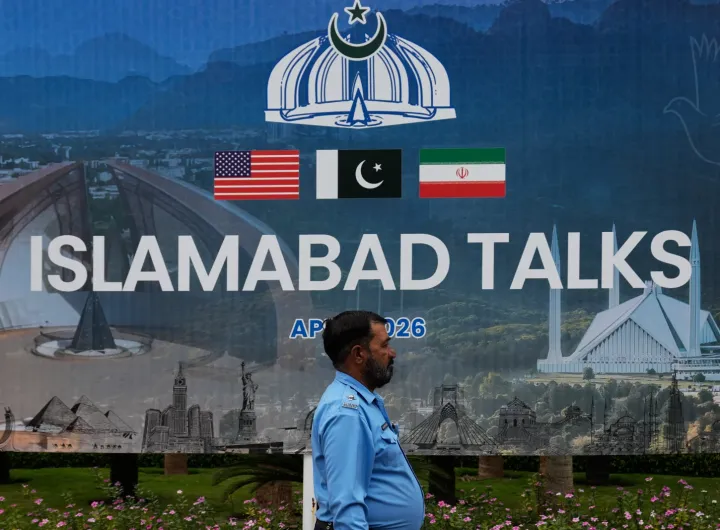
Iranian Foreign Minister Abbas Araghchi has indicated that negotiations aimed at ending months of confrontation between Tehran and Washington are entering their final stage, declaring that the proposed “Islamabad Memorandum of Understanding” has “never been closer” to completion.
The statement has sparked cautious optimism across the Gulf region, where governments, investors, and energy markets have spent months navigating the uncertainty created by military escalation, sanctions disputes, and fears of a broader regional conflict.
While negotiators remain careful not to declare victory prematurely, Araghchi’s comments suggest that diplomacy may finally be overtaking confrontation.
What Araghchi Said
Speaking amid ongoing negotiations, Araghchi signaled that most major issues have already been addressed and that only limited technical and political questions remain under discussion.
According to Iranian officials, the framework under negotiation could establish the foundation for a broader settlement between Iran and the United States, potentially ending a period marked by military incidents, maritime tensions, and diplomatic deadlock.
Araghchi emphasized that details would only be released once negotiations are fully completed, suggesting that negotiators are attempting to avoid public disputes during the final stages of the process.
That approach reflects lessons learned from previous diplomatic efforts, where premature disclosure of sensitive provisions often complicated negotiations.
What Is the Islamabad MoU?
Although full details have not yet been released publicly, the Islamabad Memorandum of Understanding is reportedly being discussed as the central framework for a broader de-escalation agreement.
According to diplomatic sources familiar with regional discussions, the memorandum is expected to address several key areas:
Security Guarantees
Measures designed to reduce the risk of direct military confrontation between the United States and Iran.
Maritime Stability
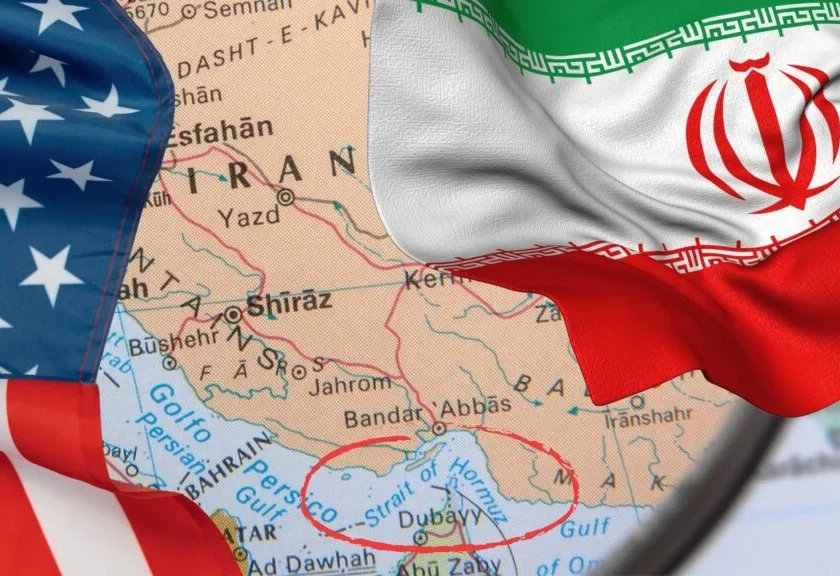
Commitments aimed at safeguarding commercial navigation and reducing tensions around the Strait of Hormuz.
Economic Measures
Potential pathways toward sanctions relief in exchange for compliance with agreed security provisions.
Regional Dialogue
Mechanisms intended to facilitate ongoing communication between regional actors and prevent future crises.
If finalized, the memorandum could become one of the most significant diplomatic documents in US-Iran relations in recent years.
Pakistan’s Emerging Diplomatic Role
One of the most notable aspects of the negotiations is the reported role of Pakistan as a facilitator.
For Islamabad, successful mediation would represent a major diplomatic achievement and reinforce its position as a constructive regional actor capable of engaging multiple stakeholders simultaneously.
Pakistan has traditionally maintained working relationships with both Gulf states and Iran, placing it in a unique position to support dialogue during periods of heightened tension.
A successful outcome could strengthen Islamabad’s international standing and demonstrate its ability to contribute to conflict resolution beyond South Asia.
Washington Appears Open to a Diplomatic Settlement
Although U.S. officials have not publicly disclosed detailed negotiating positions, signals from Washington suggest growing support for a diplomatic resolution.
American policymakers face competing priorities:
- Preserving regional security.
- Protecting maritime trade routes.
- Reassuring Gulf allies.
- Preventing nuclear and military escalation.
- Reducing economic uncertainty linked to energy markets.
Reports indicate that discussions regarding sanctions relief could form part of a broader package if Iran fulfills security-related commitments and confidence-building measures.
However, any sanctions adjustments would likely face political scrutiny within Washington and among regional partners.
Why Iran Wants a Deal
For Tehran, the benefits of a successful agreement extend beyond foreign policy.
Economic Recovery
Years of sanctions have imposed significant pressure on Iran’s economy, affecting trade, investment, and currency stability.
Strategic Recognition
Iranian leaders have consistently sought recognition of national sovereignty and security interests within any diplomatic arrangement.
Domestic Stability
A successful agreement could provide political momentum at home by demonstrating that diplomacy can deliver tangible economic and strategic gains.
These considerations help explain why Iranian officials are increasingly emphasizing negotiation rather than confrontation.
Gulf States Welcome Signs of Progress
Across the Gulf region, reactions have been measured but positive.
Governments that spent months preparing for missile threats, military escalation, and shipping disruptions are eager to see tensions reduced.
The possibility of a structured agreement offers hope that the region may avoid another cycle of military confrontation that could threaten economic growth and energy exports.
However, Gulf officials remain cautious.
Many remember previous diplomatic breakthroughs that ultimately failed to produce lasting stability.
As a result, optimism remains tempered by realism.
Oil Markets Respond to De-Escalation Hopes
Energy markets have closely followed every development in the negotiations.
The recent conflict generated significant volatility due to concerns about shipping through the Strait of Hormuz, one of the world’s most important energy transit routes.
News that negotiators may be approaching an agreement has helped ease some market concerns regarding future supply disruptions.
Investors view diplomatic progress as a potentially stabilizing factor for global energy markets.
Nevertheless, analysts caution that market confidence will depend on implementation rather than announcements alone.
Key Issues Still to Be Resolved
Despite encouraging signals, several challenges remain.
| Issue | Status | Importance |
|---|---|---|
| Security Guarantees | Under discussion | Core foundation of agreement |
| Sanctions Relief | Not fully finalized | Critical for Iran |
| Maritime Stability | Major focus area | Essential for global trade |
| Verification Mechanisms | Expected in final text | Necessary for implementation |
| Regional Coordination | Ongoing consultations | Key to long-term stability |
Even small disagreements can become significant obstacles during final-stage negotiations.
That is why diplomats often describe the last phase of a peace process as the most difficult.
The Bigger Geopolitical Picture
If the Islamabad MoU is successfully completed, its significance would extend well beyond Washington and Tehran.
A durable agreement could:
- Reduce the likelihood of direct military conflict.
- Improve regional stability.
- Lower risks to global energy supplies.
- Strengthen diplomatic engagement across the Gulf.
- Create new channels for conflict prevention.
It would also demonstrate that sustained negotiation remains possible even after periods of intense confrontation.
Yet history suggests caution.
Many diplomatic initiatives appear promising until implementation begins.
The ultimate measure of success will not be the signing ceremony but whether commitments made on paper translate into lasting stability on the ground.
Outlook: Hope, But Not Yet Certainty
Abbas Araghchi’s latest remarks provide one of the strongest indications yet that negotiators believe a breakthrough is within reach.
For the first time in months, the conversation surrounding US-Iran relations is focused less on missiles, sanctions, and military escalation and more on frameworks, guarantees, and diplomacy.
That shift alone is significant.
Still, seasoned diplomats understand that peace agreements are not judged by expectations—they are judged by execution.
Until signatures are finalized and commitments are implemented, cautious optimism remains the most appropriate response.
The coming days may reveal whether the Islamabad MoU becomes a historic turning point in Middle Eastern diplomacy—or simply another chapter in a long and complicated relationship between Washington and Tehran.