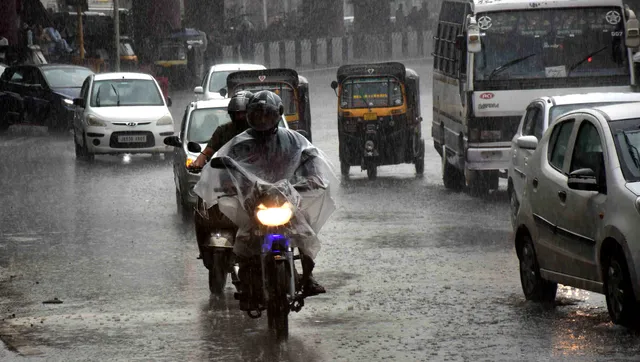
MeT Forecasts Rain, Thunderstorms and Strong Winds Across J&K; Flash Flood and Mudslide Risk Remains High
By: Javid Amin | 12 June 2026
Weather department warns of lightning, hailstorms and brief intense showers as temperatures stay above normal across Jammu and Kashmir
The Meteorological Centre Srinagar has issued a fresh weather advisory for Jammu and Kashmir, forecasting a prolonged spell of rain, thunderstorms, lightning and gusty winds across both the Kashmir Valley and Jammu region over the coming days.
The advisory comes at a time when temperatures across several parts of the Union Territory remain above seasonal averages, creating unstable atmospheric conditions capable of producing sudden weather changes, intense showers and localized severe weather events.
Officials have warned that vulnerable areas could face flash floods, mudslides and landslides, particularly where heavy rainfall occurs over a short duration. Residents, tourists, pilgrims and travelers have been urged to remain alert and closely follow official weather advisories.
The latest forecast indicates that unsettled weather is likely to persist through June 19, with intermittent rain and thunderstorms expected across multiple districts.
Rain, Thunderstorms and Gusty Winds to Continue Across J&K
According to the Meteorological Centre Srinagar, Jammu and Kashmir will continue to experience partly to generally cloudy weather accompanied by intermittent rainfall and thunderstorm activity.
Weather experts say moisture-laden winds interacting with the region’s mountainous terrain are creating favorable conditions for scattered rain showers and localized thunderstorms.
The forecast suggests:
- Light to moderate rainfall at many places
- Brief but intense showers in isolated areas
- Thunderstorms and lightning activity
- Gusty winds reaching 40–50 kmph
- Isolated wind gusts up to 60 kmph
- Possibility of hailstorms in some locations
While rainfall is expected to provide temporary relief from heat in some areas, sudden weather changes could create hazardous conditions, especially in hilly districts.
Flash Flood and Mudslide Threat Raises Concern
One of the most significant concerns highlighted by the weather department is the possibility of flash floods and mudslides.
Meteorologists have warned that short-duration, high-intensity rainfall can rapidly increase water levels in streams, nallahs and low-lying areas.
Areas Most Vulnerable
- Mountain slopes
- Riverbanks and stream channels
- Landslide-prone road stretches
- Low-lying habitations
- Areas recently affected by cloudbursts
The warning comes just days after several districts, including Doda, Kishtwar, Poonch and Reasi, witnessed weather-related incidents ranging from flash floods to cloudburst activity.
Environmental experts note that steep terrain, fragile geology and changing rainfall patterns make many parts of Jammu and Kashmir particularly vulnerable to sudden weather disasters.
Temperatures Remain Above Normal Despite Rainfall
Despite recent showers, maximum temperatures across many parts of Jammu and Kashmir remain above normal.
Highest Maximum Temperatures Recorded
| Location | Maximum Temperature |
|---|---|
| Jammu | 41.8°C |
| Kathua | 41.6°C |
| Katra | 38.3°C |
| Srinagar | 31.5°C |
| Qazigund | 30.2°C |
| Kupwara | 30.2°C |
| Kokernag | 29.0°C |
| Pahalgam | 25.9°C |
| Gulmarg | 21.6°C |
Jammu remained the hottest location in the Union Territory, recording a temperature approximately 3°C above the seasonal average.
Srinagar also experienced warmer-than-normal conditions, with temperatures remaining around 3.5°C above normal despite intermittent rainfall.
Weather experts attribute these fluctuations to unstable atmospheric conditions often seen during the transition period between pre-monsoon weather and the arrival of broader monsoon systems.
Rainfall Recorded Across Multiple Districts
The latest observations indicate widespread rainfall activity across several districts during the previous 24 hours.
Rainfall Recorded
| Location | Rainfall |
| Bhaderwah | 28.2 mm |
| Batote | 27.6 mm |
| Doda | 18 mm |
| Jammu | 12 mm |
| Kishtwar | 8 mm |
| Sonamarg | 7 mm |
The rainfall has helped replenish soil moisture levels, improve air quality and provide relief from prolonged dry conditions in several areas.
However, experts caution that repeated intense showers can increase the risk of soil erosion and slope instability, particularly in mountainous regions.
Forecast for June 12–19
June 12
- Partly to generally cloudy skies
- Light to moderate rain at many places
- Brief intense showers
- Thunderstorms and lightning
- Gusty winds up to 50 kmph
June 13–17
- Intermittent rain activity
- Scattered thunderstorms
- Brief heavy showers
- Continued gusty winds
- Possibility of localized hailstorms
June 18–19
- Similar weather conditions likely
- Cloudy periods
- Light rainfall at scattered locations
- Thunderstorm activity possible
Meteorologists expect weather systems to remain active across the region, maintaining the risk of localized severe weather through much of the coming week.
Tourism Sector Advised to Exercise Caution
The ongoing weather pattern has prompted authorities to issue advisories for tourists visiting Kashmir’s popular destinations.
Advisory for Visitors
Tourists travelling to:
- Srinagar
- Gulmarg
- Pahalgam
- Sonamarg
- Doodhpathri
- Yousmarg
have been advised to remain updated about weather conditions before undertaking outdoor activities.
Strong winds, lightning and sudden downpours can affect:
- Trekking routes
- Mountain roads
- Cable-car operations
- Boating services
- Sightseeing activities
Officials have specifically recommended avoiding boating and Shikara rides during periods of thunderstorms or strong winds.
Agriculture Receives Benefits and Challenges
The rainfall has delivered much-needed moisture to agricultural fields and orchards across Jammu and Kashmir.
Positive Effects
- Improved soil moisture
- Better crop growth conditions
- Reduced irrigation demand
- Enhanced groundwater recharge
Risks
- Soil erosion
- Waterlogging
- Hail damage to crops
- Lodging of standing crops
- Landslide-related agricultural losses
Farmers have been advised to monitor weather bulletins and take preventive measures where possible.
Climate Experts See a Larger Pattern Emerging
The increasing frequency of intense rainfall events, cloudbursts, flash floods and sudden windstorms has become a growing concern across the Himalayan region.
Environmental researchers point out that Jammu and Kashmir is experiencing greater weather variability than in previous decades.
While no single weather event can be attributed solely to climate change, scientists have observed:
- More frequent extreme rainfall episodes
- Greater temperature fluctuations
- Increased atmospheric instability
- Higher occurrence of localized disasters
The combination of warming temperatures and changing precipitation patterns is creating new challenges for disaster management, infrastructure planning and environmental conservation.
Do’s and Don’ts During Adverse Weather
✅ Do’s
- Follow official weather advisories regularly.
- Stay indoors during thunderstorms and strong winds.
- Keep mobile phones and emergency power sources charged.
- Secure loose objects around homes and businesses.
- Carry rain gear while travelling.
- Monitor road conditions before undertaking long journeys.
❌ Don’ts
- Do not shelter under trees during lightning.
- Avoid riverbanks, streams and flood-prone areas.
- Do not touch damaged electrical infrastructure.
- Avoid boating, Shikara rides and trekking during storms.
- Do not travel through landslide-prone stretches during intense rainfall.
- Never ignore weather warnings issued by authorities.
The Bottom Line
Jammu and Kashmir is entering another active weather phase, with rain, thunderstorms, lightning and gusty winds expected to continue through June 19.
While the rainfall offers relief from rising temperatures and benefits agriculture, it also increases the risk of flash floods, mudslides and localized disruptions, particularly in vulnerable mountainous districts.
For residents, tourists and pilgrims, the message from weather authorities is clear: enjoy the cooler weather, but remain cautious, stay informed and prioritize safety as nature continues to display its unpredictable side across the Himalayas.