Recent developments across the region have highlighted a diverse spectrum of administrative actions, grassroots social welfare initiatives, and pressing environmental challenges. From large-scale community support programs organized by civil society groups to direct public outreach efforts by government officials and mounting ecological threats in forested belts, local dynamics reflect a region actively balancing community resilience with administrative accountability.
- AJKSA successfully hosted a mass marriage ceremony at Gupkar, setting an ambitious target of facilitating unions for 50 couples next year.
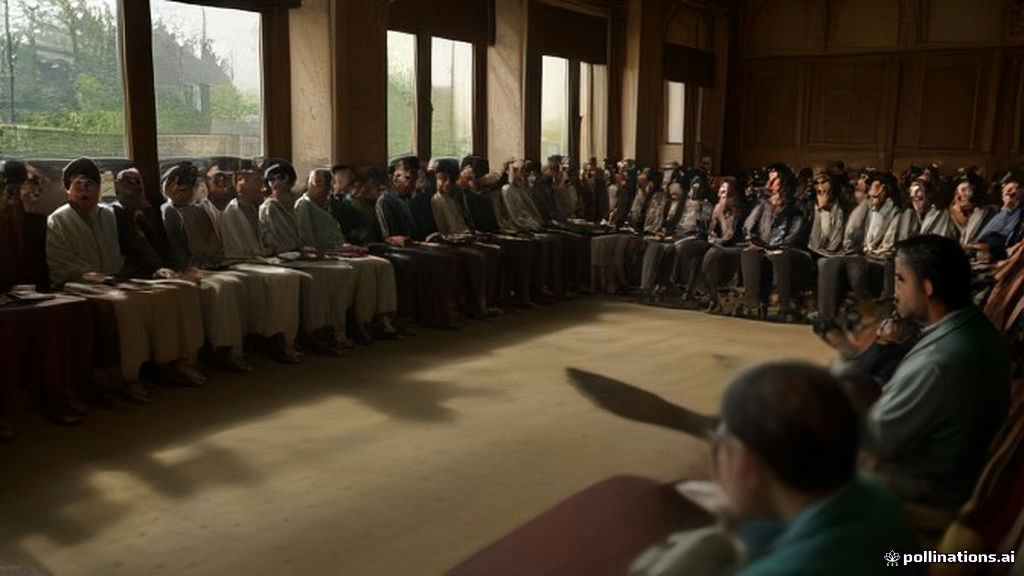
- Government officials held structured public darbars at Nawa-e-Subah to address citizen grievances and expedite administrative redressal.
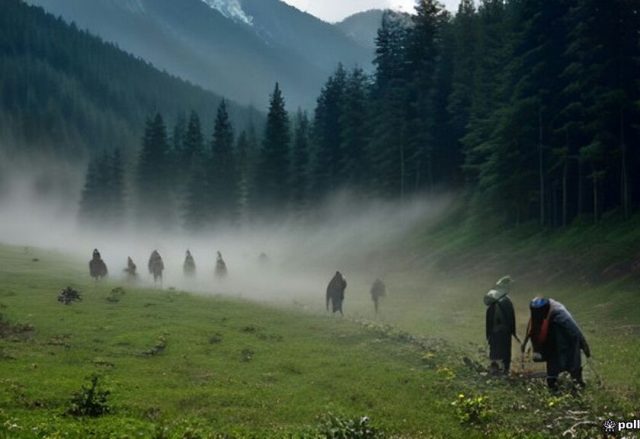
- Grave environmental concerns emerged near Shajimarg Road in Tangmarg as forested zones were allegedly converted into unregulated garbage dumps.
- Civil society organizations and local authorities are being pushed to harmonize economic and social development with strict ecological preservation.
- The dual focus on welfare and environmental protection underscores the evolving socio-political landscape of the region.
Historical Context & Background
Community welfare initiatives and grievance redressal mechanisms have long formed the backbone of societal stability in the Kashmir valley. Historically, civil society organizations have stepped in to alleviate economic burdens on underprivileged families, particularly through structured financial and logistical support for marriages. Concurrently, administrative outreach frameworks—such as public darbars—have evolved to bridge the gap between citizens and state machinery, ensuring that civic issues ranging from infrastructure maintenance to municipal services find a direct channel to decision-makers.
However, these traditional paradigms are increasingly intersecting with modern challenges, notably rapid urbanization and ecological degradation. As towns expand and tourism surges, delicate forest ecosystems like those surrounding Tangmarg face unprecedented pressures from waste management failures, necessitating urgent regulatory interventions alongside community-driven philanthropy.
Administrative Decisions & Ground Realities
On the administrative front, recent outreach programs have signaled a proactive stance by local leaders. During a dedicated public darbar held at Nawa-e-Subah, senior leaders actively engaged with residents to listen to acute public grievances. Participants raised concerns regarding basic infrastructure, utility services, and municipal inefficiencies. Officials assured attendees of early redressal, emphasizing a time-bound approach to resolving civic bottlenecks.
Simultaneously, grassroots non-profit efforts demonstrated the power of community-led social support. The All Jammu and Kashmir Social Activists (AJKSA) organized a high-profile mass marriage ceremony at the prestigious Gupkar locality. By pooling resources and community donations, the initiative successfully solemnized marriages for multiple couples, cutting down extravagant societal expenses. Building on this momentum, organizers announced a bold target of supporting 50 couples in the upcoming year, aiming to expand the scope and reach of the welfare program.
Local Impact & Community Perspectives
While welfare events and public darbars have been received positively by local populations, mounting environmental issues cast a shadow over regional development. A glaring example surfaced near Shajimarg Road in Tangmarg, where pristine forest land was allegedly converted into an unauthorized garbage dump. Local residents and environmentalists have voiced profound concern over the accumulation of solid waste, warning that unchecked dumping threatens local biodiversity, water sources, and the aesthetic appeal of the tourism-dependent region.
Community members emphasize that while developmental activities and social safety nets are vital, they must not come at the expense of ecological health. Local activists are demanding immediate cleanup operations, stricter punitive measures against illegal waste transporters, and the establishment of scientific municipal waste management facilities in ecologically sensitive zones.
Strategic & Socio-Economic Ramifications
The convergence of social welfare, responsive governance, and ecological stewardship carries deep implications for the region’s sustainable future. When civil society steps in to ease the financial burdens of marriage, it directly reduces debt distress among vulnerable households. Similarly, regular grievance redressal builds public trust in administrative frameworks. However, unresolved environmental hazards like the Tangmarg dumping site threaten to undermine long-term socio-economic gains, particularly in tourism and public health.
Chronological Timeline & Data Breakdown
- Phase 1: AJKSA plans and executes the mass marriage ceremony at Gupkar, successfully supporting underprivileged couples.
- Phase 2: Senior officials host a public darbar at Nawa-e-Subah to document and expedite civic grievances.
- Phase 3: Environmental groups raise alarms over illegal garbage dumping in the forest near Shajimarg Road, Tangmarg.
- Phase 4: Organizers announce an expanded target of 50 couples for next year’s mass marriage initiative.
The Road Ahead: Future Milestones
Moving forward, the challenge for both civil society and government bodies lies in holistic execution. For AJKSA, scaling up the mass marriage initiative to 50 couples requires sustained donor engagement and robust logistical planning. For the administration, bridging the gap between grievance registration and ground-level execution remains paramount. Crucially, environmental authorities must swiftly address the ecological crisis in Tangmarg by instituting rigorous surveillance, clearing accumulated waste, and enforcing green protocols to safeguard the region’s natural heritage.
Frequently Asked Questions (FAQ)
What was the primary objective of the AJKSA event at Gupkar?
The AJKSA organized a mass marriage ceremony to support underprivileged couples by reducing financial burdens, and announced a target to facilitate unions for 50 couples next year.
What issues were addressed during the public darbar at Nawa-e-Subah?
Citizens voiced various civic and administrative grievances, including infrastructure and municipal concerns, with officials assuring prompt and early redressal.
What environmental concerns were reported in Tangmarg?
Locals reported that forest areas near Shajimarg Road in Tangmarg were allegedly being used as unauthorized garbage dumps, posing severe risks to local ecology and public health.
How are local authorities and communities responding to these developments?
While community groups are scaling up welfare programs and leaders are holding direct public outreach sessions, civil society is actively pushing for stricter environmental enforcement to protect natural resources.