Achan’s Growing Garbage Mountain: Srinagar’s Silent Emergency
By: Javid Amin | 15 April 2026
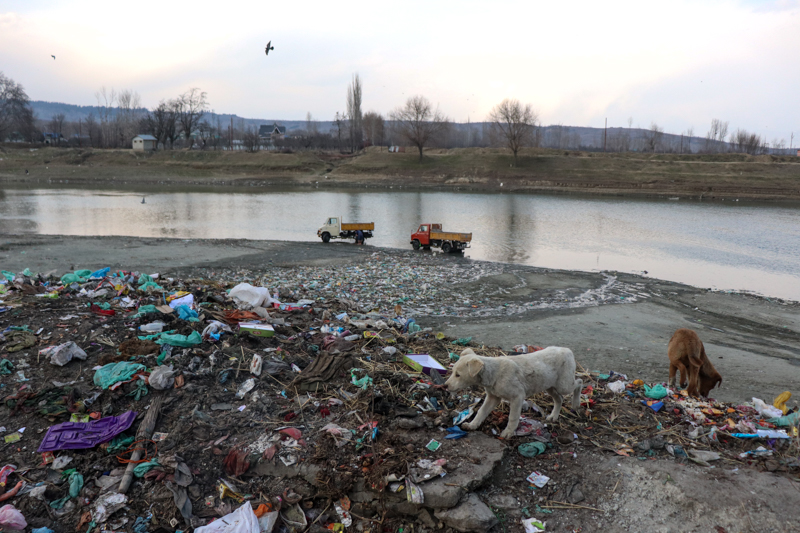
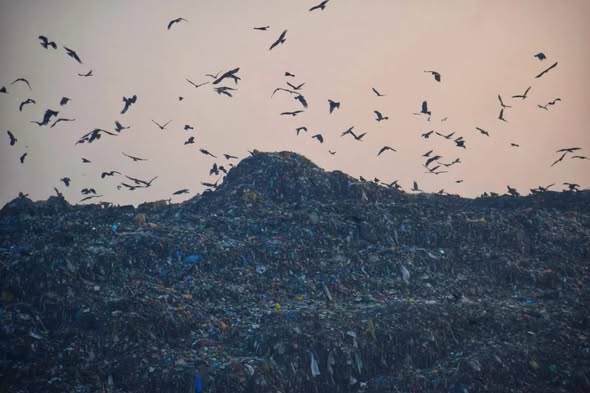
In the heart of Kashmir’s capital, a slow-burning environmental disaster continues to unfold. The Achan dumping site, spread across nearly 123 acres, has transformed into a towering landfill—an unintended monument to decades of urban neglect and poor waste management planning.
What was once a peripheral waste disposal site is now deeply embedded in Srinagar’s expanding urban ecosystem, silently impacting thousands of lives every day. From toxic air drifting across neighborhoods to contaminated water threatening vital ecosystems, Achan has become far more than just a garbage dump—it is a public health emergency.
A Legacy of Waste: How Achan Reached a Breaking Point
For decades, Srinagar’s municipal solid waste has been funneled into Achan without adequate scientific processing. The result is an accumulation of “legacy waste”—layers of decomposing garbage that continue to emit hazardous gases such as methane and hydrogen sulfide.
Urban expansion has worsened the crisis. What was once considered a distant dumping ground is now dangerously close to residential areas, schools, and critical healthcare infrastructure. The absence of alternative waste processing facilities has forced authorities to rely on Achan far beyond its intended capacity.
Toxic Air, Silent Suffering: The Human Health Cost
Residents living around Achan describe a daily reality marked by foul odour, persistent smoke, and a rise in respiratory illnesses. Medical practitioners in the region have increasingly linked prolonged exposure to landfill emissions with conditions such as:
- Chronic bronchitis
- Asthma and breathing disorders
- Skin infections
- Eye irritation
Mosquito breeding due to stagnant leachate has also raised concerns about vector-borne diseases, further compounding the health burden.
While official epidemiological data remains limited, ground-level accounts and environmental assessments consistently point toward a deteriorating public health situation.
SKIMS Under Threat: When Healthcare Meets Pollution
Just about 2 kilometers from the landfill lies the Sher-i-Kashmir Institute of Medical Sciences—Kashmir’s premier tertiary care hospital and a critical center for cancer treatment.
The proximity of this vital institution to a toxic waste site raises serious concerns:
- Cancer patients, already immunocompromised, are exposed to polluted air
- Hospital staff operate in an environmentally compromised zone
- Airborne toxins risk undermining treatment outcomes and recovery
Healthcare experts have long warned that environmental quality plays a crucial role in patient recovery—making Achan’s emissions not just an inconvenience, but a direct threat to medical care standards.
Environmental Fallout: A Threat Beyond the Dump
Air Pollution Spreading Across Srinagar
Landfill gases and periodic fires release toxic pollutants that drift across Srinagar, often unnoticed but deeply harmful. These emissions contribute to declining urban air quality and exacerbate climate-related risks.
Water Contamination and the Anchar Lake Crisis
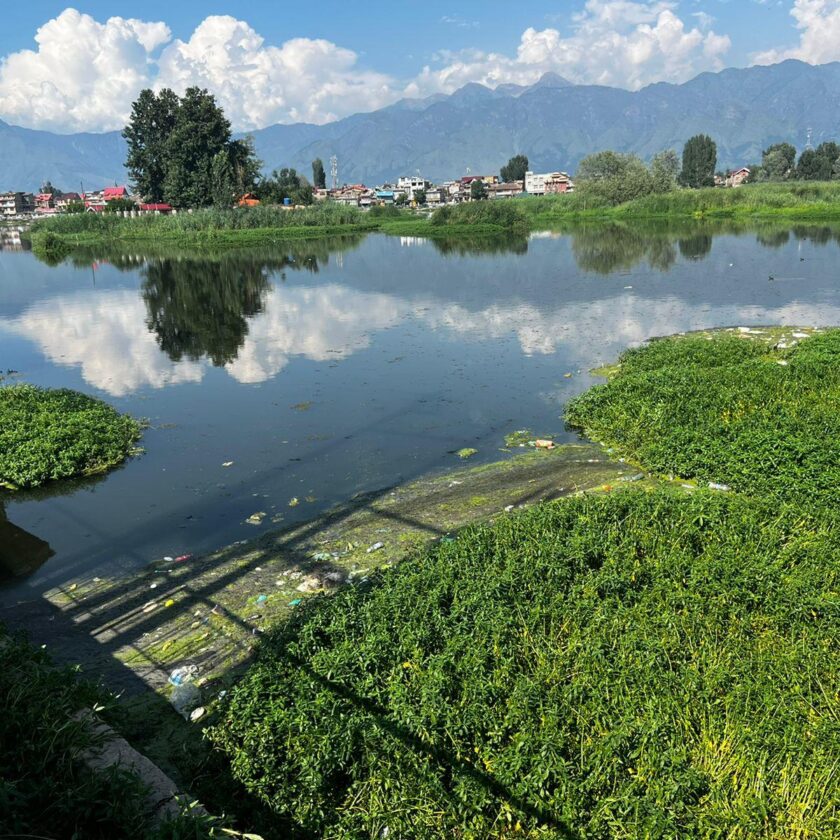
Leachate—highly toxic liquid formed from decomposing waste—has been seeping into nearby water bodies, including the ecologically sensitive Anchar Lake.
This contamination threatens:
- Groundwater reserves
- Agricultural lands
- Aquatic ecosystems
Over time, this could irreversibly damage one of Srinagar’s key environmental assets.
Government Response: A Phased but Slow Solution
In February 2026, the Jammu & Kashmir administration acknowledged the severity of the situation and outlined a phased clean-up plan. The strategy focuses on:
- Bio-remediation of legacy waste
- Scientific waste segregation
- Gradual reduction of landfill volume
Officials have made it clear that an immediate shutdown is not feasible without alternative waste processing infrastructure. The Housing and Urban Development Department has also flagged odour, leachate, and health hazards as urgent concerns during legislative briefings.
While the policy direction aligns with environmental best practices, implementation speed remains a major concern.
Urban Planning Failure: Lessons from Achan
The Achan crisis highlights a broader systemic failure in urban planning:
- Lack of long-term waste management strategy
- Absence of decentralized waste processing units
- Delayed investment in modern landfill technologies
Rapid urbanization without environmental foresight has turned Achan into a ticking ecological time bomb.
What Needs to Be Done: From Damage Control to Sustainable Reform
Short-Term Priorities
- Fast-track bio-remediation processes
- Install leachate treatment plants
- Enforce strict waste segregation at source
Medium-Term Solutions
- Develop a modern waste-to-energy facility
- Establish a scientifically designed sanitary landfill outside city limits
Long-Term Vision
- Adopt circular economy practices
- Strengthen environmental monitoring systems
- Launch public awareness campaigns on waste segregation
A Public Health Emergency That Can’t Wait
The Achan dumping site is no longer just a sanitation issue—it is a full-scale environmental and public health crisis. Its impact stretches from vulnerable communities to critical healthcare institutions, from polluted air to contaminated water systems.
Without urgent, coordinated, and sustained intervention, the cost of inaction will continue to rise—measured not just in environmental degradation, but in human lives affected.
Srinagar stands at a crossroads: continue managing waste as an afterthought, or transform this crisis into a turning point for sustainable urban governance.
Final Word
Achan is not just a landfill—it is a reflection of policy gaps, delayed action, and the urgent need for environmental accountability. Addressing it effectively will require more than technical fixes; it demands political will, public participation, and a commitment to safeguarding both people and the fragile ecosystem of Kashmir.