J&K CM Omar Abdullah Calls Crucial MLAs Meeting on June 3 Amid Growing Governance and Political Challenges
By: Javid Amin | 31 May 2026
Srinagar Set for Significant Political Deliberations as Chief Minister Seeks Greater Coordination and Accountability
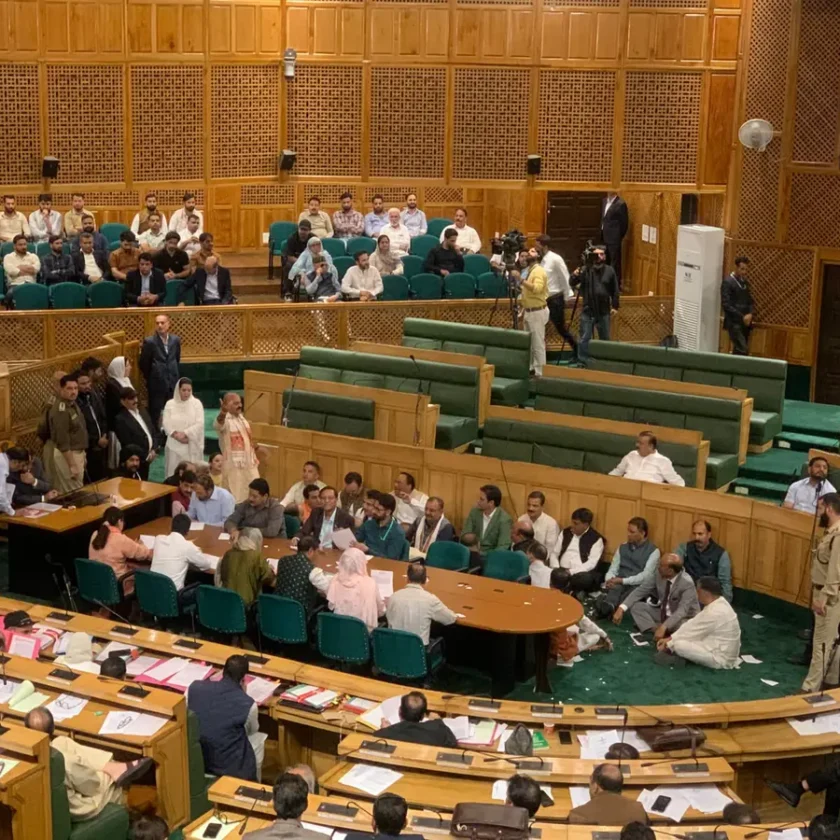
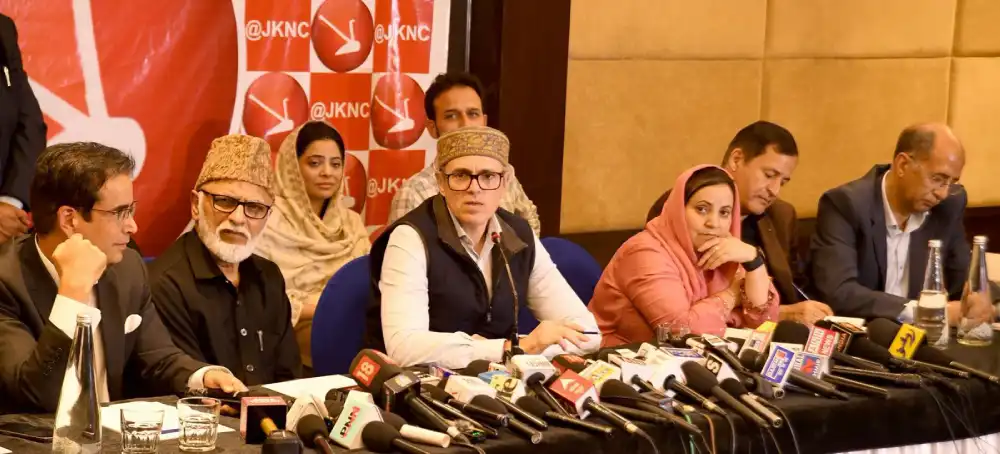
In a politically significant development, Jammu and Kashmir Chief Minister Omar Abdullah has convened a meeting of ruling legislators and supporting independent Members of the Legislative Assembly (MLAs) on June 3, signaling a renewed push towards governance coordination, public welfare initiatives, and administrative accountability.
The meeting, scheduled to be held in Srinagar, comes at a time when the Union Territory is witnessing heightened public expectations regarding development, employment, infrastructure, governance reforms, and the long-pending issue of restoration of statehood. According to official communications sent to legislators, discussions will revolve around “matters of collective importance” and issues directly affecting public welfare.
Political observers believe the gathering could emerge as one of the most important internal consultations held by the government in recent months, particularly amid evolving political narratives and increasing scrutiny of governance performance across Jammu and Kashmir.
Why the June 3 Meeting Matters
While meetings between party legislators and government leadership are not uncommon, sources within the ruling establishment indicate that this gathering carries greater significance than a routine review exercise.
The Chief Minister is expected to seek direct feedback from MLAs regarding:
- Public grievances in their constituencies
- Developmental delays and project bottlenecks
- Departmental performance
- Delivery of welfare schemes
- Administrative responsiveness
- Infrastructure and employment concerns
- Coordination between elected representatives and government departments
Several legislators are likely to present constituency-specific concerns, highlighting challenges faced by residents in both urban and rural areas.
According to reports, the Chief Minister wants legislators to openly discuss governance gaps and suggest practical solutions that can improve service delivery on the ground.
Governance Under the Spotlight
Since assuming office, the Omar Abdullah-led administration has repeatedly emphasized people-centric governance, transparency, and institutional accountability.
However, public expectations remain high.
Issues such as:
- Unemployment among youth
- Infrastructure development
- Road connectivity
- Power supply
- Healthcare services
- Tourism management
- Rural development
- Rehabilitation of vulnerable communities
continue to dominate public discourse across Jammu and Kashmir.
The June 3 meeting is expected to function as a mid-course review mechanism where legislators can communicate ground realities directly to the government leadership.
Political analysts suggest the Chief Minister may use the meeting to reinforce a performance-based governance model, encouraging ministers and legislators alike to focus on measurable outcomes rather than political rhetoric.
Political Significance Beyond Governance
Beyond administrative concerns, the meeting has attracted considerable political attention.
Its timing coincides with intensified political activity in Jammu and Kashmir and speculation surrounding future policy decisions, cabinet restructuring, and governance reforms.
Recent statements from opposition leaders questioning the stability of the government have further amplified interest in the upcoming gathering. Reports indicate that opposition figures have alleged internal dissatisfaction within the ruling camp, claims that government leaders have publicly dismissed.
Against this backdrop, the June 3 meeting is widely being viewed as an opportunity for the ruling leadership to demonstrate unity, strengthen coordination among legislators, and reaffirm confidence in the government’s political direction.
Statehood, Administrative Reforms Likely to Feature in Discussions
Although no formal agenda has been released publicly, political circles in Srinagar believe broader constitutional and governance-related matters could also be discussed.
Among the issues expected to receive attention are:
Restoration of Statehood
The restoration of Jammu and Kashmir’s statehood remains one of the most politically sensitive and widely debated issues in the region.
The ruling leadership has repeatedly advocated for the restoration of full statehood, arguing that it is essential for strengthening democratic institutions and ensuring effective governance.
Administrative Efficiency
MLAs are also expected to raise concerns regarding administrative delays, project approvals, departmental coordination, and implementation hurdles affecting developmental initiatives.
Regional Development Balance
Ensuring equitable development across Kashmir, Jammu, Pir Panjal, Chenab Valley, and other regions is likely to remain an important talking point as legislators seek greater attention for local priorities.
Sources suggest discussions may focus on ensuring that development benefits reach all sections of society irrespective of geography or political affiliation.
Public Welfare Expected to Dominate Deliberations
A central theme of the meeting is expected to be public welfare.
The Chief Minister has repeatedly stressed the need for governance structures that directly address people’s concerns.
Legislators attending the meeting are likely to highlight:
- Employment generation needs
- Social welfare implementation
- Infrastructure requirements
- Agricultural and horticultural concerns
- Tourism sector challenges
- Disaster management preparedness
- Educational development
- Healthcare accessibility
The objective, according to government insiders, is to create stronger coordination between policymakers and elected representatives so that public grievances are addressed more effectively and swiftly.
A Test of Political Cohesion
For the ruling alliance, the meeting also serves as an important exercise in maintaining political cohesion.
The government has frequently projected itself as committed to inclusive governance and collaborative decision-making. Bringing together legislators from different constituencies offers an opportunity to assess political sentiment within the ruling fold and identify areas requiring greater attention.
Observers note that such consultations can help prevent disconnects between government departments and grassroots political representatives while reinforcing collective responsibility within the administration.
Civil Secretariat to Host High-Level Deliberations
The meeting will take place at the Civil Secretariat in Srinagar, the administrative nerve centre of Jammu and Kashmir’s governance apparatus.
All invited legislators have reportedly been asked to attend and contribute to discussions concerning governance priorities and public welfare.
Given the political importance attached to the meeting, it is expected to draw close attention from political parties, civil society groups, policy observers, and the wider public.
What to Watch on June 3
Several key questions are likely to emerge from the deliberations:
- Will the government announce new governance reforms?
- Could there be indications regarding cabinet expansion or restructuring?
- Will statehood feature prominently in discussions?
- What developmental priorities will be outlined for the coming months?
- How will the government address growing public expectations regarding jobs and infrastructure?
- Will legislators seek stronger accountability mechanisms within departments?
The answers could offer important insights into the future direction of governance and politics in Jammu and Kashmir.
Conclusion
The June 3 meeting convened by Chief Minister Omar Abdullah comes at a crucial juncture for Jammu and Kashmir. As the government navigates governance challenges, developmental aspirations, and evolving political realities, the gathering is expected to serve as a platform for introspection, coordination, and policy direction.
More than a routine political exercise, the meeting reflects an attempt to strengthen dialogue between the government and elected representatives while addressing issues that directly impact citizens across the Union Territory.
Whether the discussions translate into tangible policy outcomes remains to be seen, but the meeting is already being viewed as a significant moment in Jammu and Kashmir’s contemporary political landscape.