US-Iran Ceasefire Collapses as Hormuz Crisis Escalates, Kuwait Intercepts Missiles and Oil Prices Surge
By: Javid Amin | 01 June 2026
US-Iran Ceasefire on the Brink as New Strikes Trigger Regional Alarm
A fragile ceasefire between the United States and Iran appears to be unraveling after fresh military exchanges around the Strait of Hormuz, one of the world’s most critical energy corridors.
American fighter aircraft struck Iranian radar installations and drone command facilities over the weekend, while Tehran responded with retaliatory actions and hardened rhetoric against Washington. Kuwait, caught in the middle of the growing confrontation, confirmed that its air-defence systems intercepted hostile drones and missiles, preventing casualties and damage.
The latest escalation has reignited fears of a broader Gulf conflict, sent oil prices higher, and raised new concerns over global energy security.
US Launches New Airstrikes on Iranian Radar and Drone Sites
The latest round of hostilities began after the United States accused Iran of shooting down an American MQ-1 surveillance drone operating over international waters near the Strait of Hormuz.
In response, US Central Command (CENTCOM) confirmed that American forces conducted what it described as “measured and deliberate self-defence strikes” against Iranian radar and drone command-and-control infrastructure located in Goruk and on Qeshm Island. US officials said the operation also destroyed air-defence systems, a ground control station, and two one-way attack drones considered threats to maritime traffic.
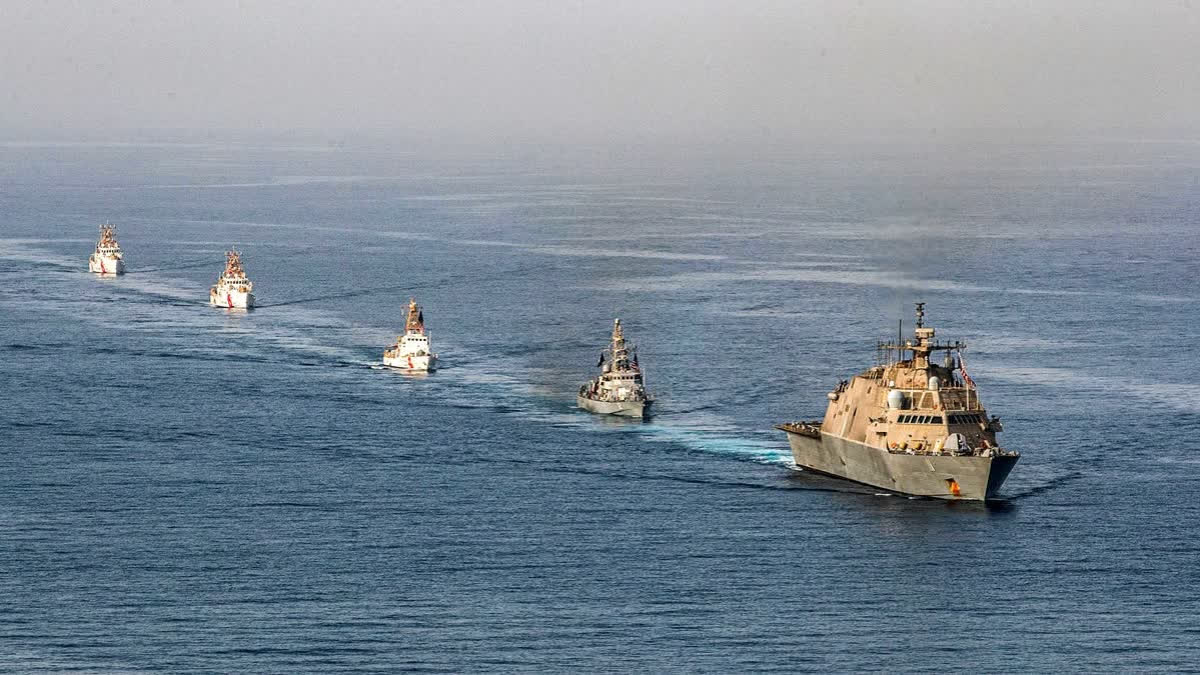
Washington argued that the action was necessary to protect freedom of navigation and prevent attacks on commercial shipping moving through regional waters.
The strikes represent one of the most significant direct military actions between the two countries since ceasefire negotiations began earlier this year.
Why Qeshm Island and Goruk Matter
The locations targeted by the United States are not random military sites.
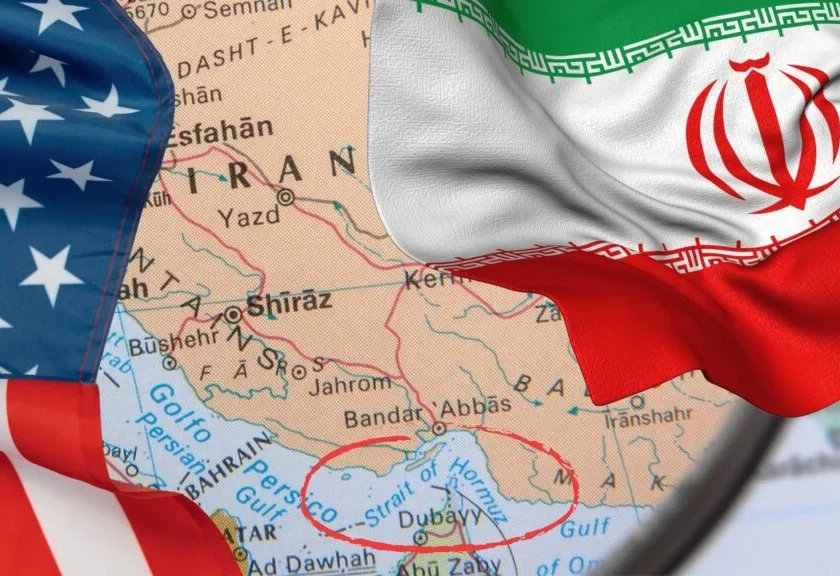
Qeshm Island sits directly beside the Strait of Hormuz and is widely regarded as a strategic hub for Iranian surveillance, missile, naval, and drone operations. Goruk, located along Iran’s southern coastline in Hormozgan Province, forms part of a broader military network overseeing maritime approaches to the Gulf and Gulf of Oman.
Military analysts believe the strikes were designed not only to respond to the drone shootdown but also to weaken Iran’s ability to monitor and threaten commercial shipping in the region.
The operation highlights the strategic importance of the Hormuz corridor, where a substantial share of global seaborne oil trade passes every day.
Iran Retaliates and Suspends Momentum in Negotiations
Tehran quickly condemned the strikes, accusing Washington of violating understandings reached during recent ceasefire discussions.
Iran’s Islamic Revolutionary Guard Corps (IRGC) claimed responsibility for retaliatory action targeting a US military facility linked to previous American operations. Independent assessments of the damage remain limited, but the claim underscores the rapidly deteriorating security environment.
Iranian officials also signaled a tougher negotiating position, with reports indicating that diplomatic momentum has stalled and talks with Washington have entered a new period of uncertainty.
The exchange raises concerns that months of indirect diplomacy may be losing ground to military escalation.
Kuwait Intercepts Drones and Missiles
The crisis quickly spread beyond Iranian and American forces.
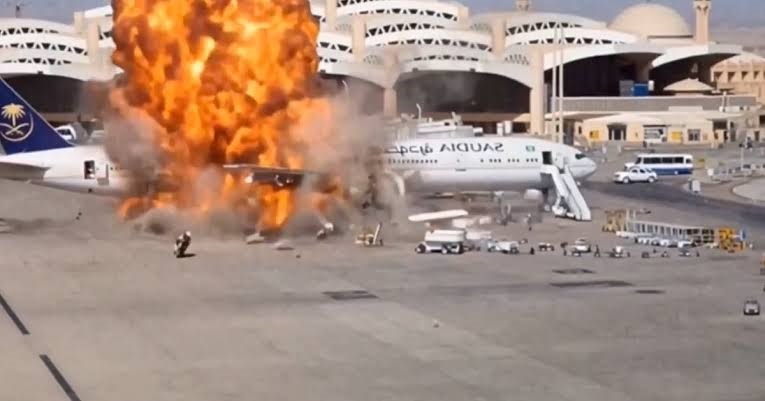
Kuwait’s military announced that its air-defence systems intercepted hostile missiles and drones, prompting loud explosions that were heard across Kuwait City. Authorities stressed that the explosions resulted from successful interceptions rather than direct impacts. No casualties were immediately reported.
The incident highlights Kuwait’s increasingly sensitive position within the regional security architecture.
As host to important American military installations, Kuwait faces growing risks whenever tensions between Washington and Tehran intensify.
Security analysts warn that Gulf states could become unintended battlegrounds if retaliatory attacks expand.
Strait of Hormuz Becomes the Center of Global Concern
The greatest strategic concern remains the Strait of Hormuz itself.
The narrow waterway connects the Persian Gulf with international markets and remains one of the world’s most important energy chokepoints. Any sustained disruption to shipping can affect global oil prices, fuel costs, inflation, and economic growth.
Recent reports indicate that shipping traffic remains severely constrained compared with normal conditions. Large numbers of tankers continue to face delays, elevated insurance costs, and security concerns.
While Iranian officials and media outlets have discussed stricter controls and potential restrictions on Hormuz traffic, claims of a complete and fully enforced closure remain difficult to independently verify through major international agencies at the time of publication.
Oil Markets React to Rising Geopolitical Risk
Energy markets responded immediately to the renewed confrontation.
Traders increasingly fear that military escalation around Hormuz could reduce supply flows from the Gulf and disrupt global energy logistics. Brent crude has moved sharply higher amid concerns over future availability and shipping risks.
Several market analysts warn that a prolonged disruption in Gulf shipping could create a major supply shock, particularly if attacks spread to energy infrastructure or if maritime restrictions become more severe.
The crisis is already contributing to higher transportation and insurance costs across the region.
Trump’s Mixed Messaging Adds Uncertainty
Political messaging from Washington has added another layer of uncertainty.
President Donald Trump has alternated between expressing confidence that negotiations can continue and signaling indifference if diplomatic talks collapse. The mixed signals have fueled speculation about the direction of US policy and whether Washington is preparing for additional military action or attempting to preserve a path toward negotiations.
For investors, diplomats, and regional governments, the uncertainty has become almost as important as the military developments themselves.
Regional Tensions Extend Beyond Iran
The Hormuz confrontation is unfolding against a broader backdrop of instability across the Middle East.
Fighting involving Israel and Hezbollah in Lebanon, ongoing missile exchanges, and concerns about proxy-group activity have all contributed to a more volatile regional environment.
Security experts warn that overlapping conflicts increase the risk of miscalculation, making de-escalation more difficult even when individual actors seek to avoid a wider war.
Key Developments at a Glance
| Event | Details | Strategic Impact |
|---|---|---|
| US Airstrikes | Radar and drone facilities hit in Goruk and Qeshm Island | Reduced Iranian surveillance and drone capabilities |
| Drone Shootdown | Iran accused of downing US MQ-1 drone | Triggered direct US military response |
| Iranian Retaliation | Tehran claims strike on US-linked military facility | Raises escalation risks |
| Kuwait Air Defences | Hostile drones and missiles intercepted | Prevented casualties and infrastructure damage |
| Oil Market Reaction | Energy prices rise amid Hormuz concerns | Global economic implications |
What Happens Next?
Three major scenarios now dominate regional calculations:
Escalation Through Retaliation
Further strikes by either side could trigger a cycle of military responses that becomes increasingly difficult to control.
Energy Market Shock
Any verified closure or major disruption of the Strait of Hormuz could send oil prices significantly higher and impact economies worldwide.
Diplomatic Breakdown
The suspension of momentum in negotiations risks eliminating one of the few remaining channels capable of preventing a wider confrontation.
For now, the Gulf remains on high alert.
What began as a dispute over a surveillance drone has evolved into a broader test of military deterrence, diplomatic resilience, and global energy security. The coming days may determine whether the region returns to negotiations—or moves closer to a larger conflict whose consequences would be felt far beyond the Middle East.