“No, No, No”: Omar Abdullah’s Strategic Silence Raises Stakes Ahead of Crucial June 3 MLAs’ Meeting
By: Javid Amin | 01 June 2026
Chief Minister Keeps Everyone Guessing as Political Buzz Intensifies Across Jammu and Kashmir
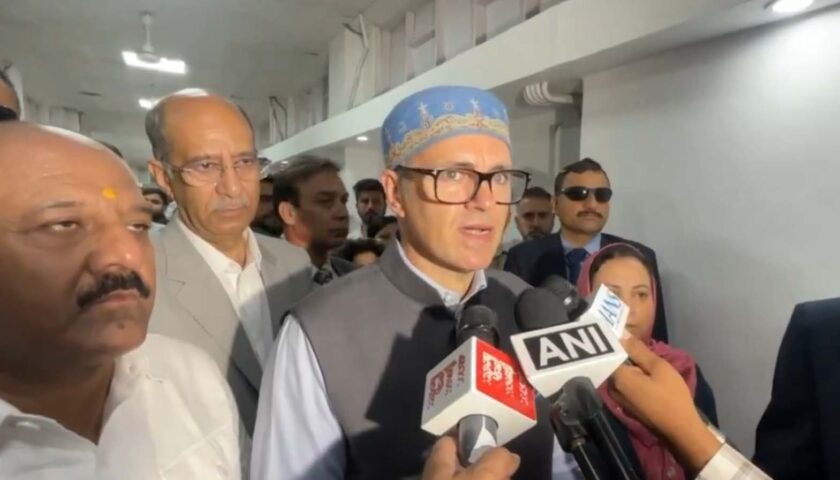
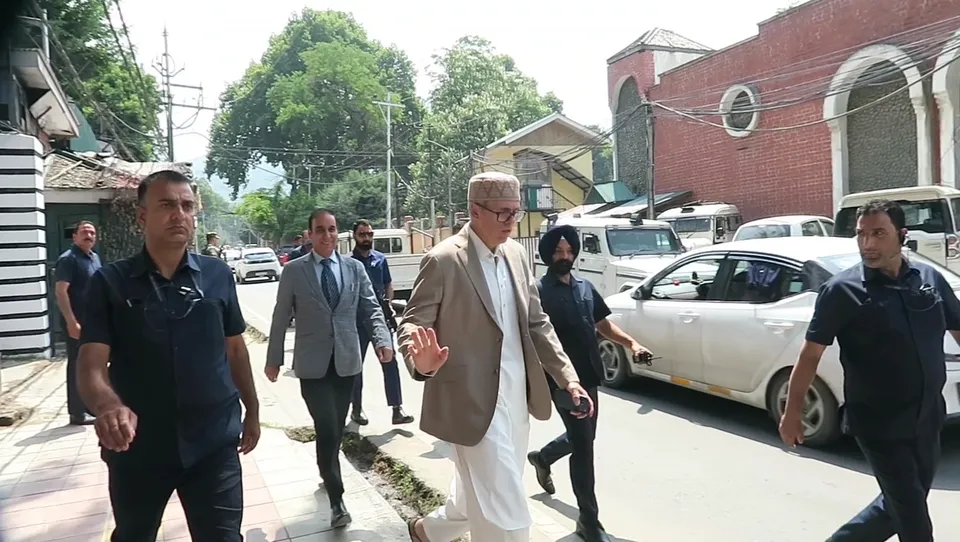
When journalists sought answers from Jammu and Kashmir Chief Minister Omar Abdullah ahead of the much-anticipated June 3 meeting of National Conference legislators, they were met with a simple and repeated response:
“No, no, no.”
The brief exchange may have lasted only a few moments, but it has triggered a wave of political speculation across Jammu and Kashmir. With the ruling National Conference (NC) preparing for what many insiders describe as a significant legislative gathering, Omar Abdullah’s refusal to reveal details has become a story in itself.
His silence has left party workers, opposition leaders, political observers, and the public wondering whether the meeting could mark an important turning point for the government and the ruling party.
What We Know About the June 3 Meeting
Officially, the meeting has been convened to discuss “matters of collective importance” and issues related to public welfare.
The gathering includes National Conference MLAs as well as independent legislators supporting the government. The invitation sent by the Chief Minister does not specify a detailed agenda, adding to the mystery surrounding the event.
Political significance has increased because:
- The meeting is not being described as a routine review exercise by many within the party.
- It comes amid persistent rumours of a possible cabinet expansion.
- Discussions around governance challenges, statehood restoration, and administrative issues remain active.
- Opposition leaders have recently claimed that some ruling-party legislators are dissatisfied.
Why Omar Abdullah Is Choosing Silence
Political leaders often use controlled communication as a strategy.
By refusing to disclose details, Omar Abdullah may be attempting to:
1. Prevent Premature Political Leaks
Major decisions often become harder to execute when discussions enter the public domain before consensus is achieved.
Keeping plans confidential allows leadership to negotiate internally without external pressure.
2. Maintain Control of the Narrative
In today’s fast-moving media environment, speculation can quickly overshadow facts.
By saying little, the Chief Minister may be trying to ensure that announcements are made only after decisions are finalized.
3. Avoid Fueling Factional Politics
If sensitive matters such as cabinet reshuffles, ministerial performance reviews, or party discipline are on the agenda, public discussion beforehand could intensify internal disagreements.
4. Build Political Anticipation
The meeting has already become one of the most discussed political events in Jammu and Kashmir this week. Strategic silence can increase attention and maximize the impact of any eventual announcement.
The Shadow of Cabinet Expansion
One of the strongest theories surrounding the meeting is a possible cabinet expansion.
Recent reports suggest the June 3 gathering could include discussions on ministerial performance, governance delivery, and future cabinet adjustments.
Sources cited in regional reports indicate that some legislators have expressed concerns regarding development allocations and administrative functioning in their constituencies. These concerns have fueled speculation that Omar Abdullah may seek feedback directly from MLAs before taking decisions on governance and cabinet structure.
While no official confirmation has been provided, the timing of the meeting has inevitably linked it to cabinet-related discussions.
Statehood Question Continues to Loom Large
Another major issue hanging over the political landscape is the demand for restoration of Jammu and Kashmir’s statehood.
The Chief Minister has repeatedly advocated for statehood restoration and has held discussions with the Union Government on the matter. Political observers believe the June 3 meeting could be used to formulate a coordinated strategy on this issue.
Notably, Omar Abdullah had earlier hinted that he wanted to “burst like a cloudburst” and speak openly after Eid, a statement that triggered widespread speculation about a significant political announcement. The upcoming legislators’ meeting is therefore being viewed through that lens.
Opposition Sees an Opportunity
The opposition has wasted little time in interpreting the Chief Minister’s silence.
Leaders from rival parties argue that a government confident in its direction would have little reason to remain secretive about a meeting involving its legislators.
Opposition figures have also cited reports of internal dissatisfaction and governance challenges to portray the ruling National Conference as facing pressure from within.
Whether these claims reflect political reality or routine opposition messaging remains open to debate.
However, the absence of clear information has created space for competing narratives to flourish.
Impact on Party Cadres and Supporters
For National Conference workers and supporters, uncertainty presents both opportunities and challenges.
On one hand, anticipation creates excitement about potential announcements.
On the other, prolonged ambiguity can lead to speculation, rumours, and confusion regarding the government’s priorities.
Party cadres are particularly keen to understand:
- Whether organizational restructuring is planned.
- If governance reforms are being considered.
- Whether new political initiatives will be launched.
- What progress has been made on statehood-related discussions.
The answers to these questions could influence party morale in the coming months.
Governance Questions Remain Central
Beyond political calculations, governance is expected to remain a central theme of the discussions.
Jammu and Kashmir continues to face challenges related to:
- Employment generation
- Infrastructure development
- Public services
- Administrative efficiency
- Regional balance in development
- Post-UT governance arrangements
Several reports indicate that Omar Abdullah intends to hear directly from legislators about local issues affecting their constituencies.
If true, the meeting may serve as a governance review exercise as much as a political one.
Expert Analysis: Silence as Strategy—or Risk?
From a political communication perspective, Omar Abdullah’s approach carries both advantages and risks.
Potential Benefits
- Maintains message discipline.
- Prevents leaks and premature controversies.
- Allows leadership to negotiate internally.
- Generates public attention.
Potential Risks
- Creates an information vacuum.
- Encourages speculation and rumours.
- Enables opposition attacks.
- May be interpreted as indecision by some voters.
Political analysts note that strategic silence works best when followed by a clear and decisive outcome. If the June 3 meeting produces concrete decisions, Omar Abdullah’s approach may be viewed as effective political management.
If not, critics could portray the secrecy as unnecessary and counterproductive.
What to Watch on June 3
The key indicators emerging from the meeting will include:
✔ Any announcement regarding cabinet expansion.
✔ Signals on the statehood restoration campaign.
✔ Discussions on governance and public welfare priorities.
✔ Measures aimed at strengthening party unity.
✔ Feedback from legislators regarding administrative performance.
Each of these issues has the potential to shape the political trajectory of Jammu and Kashmir in the months ahead.
Conclusion
Omar Abdullah’s repeated “no” may have lasted only a few seconds, but it has succeeded in keeping Jammu and Kashmir’s political establishment on edge.
Whether the silence reflects careful planning, internal consultations, or preparations for major decisions will become clearer once National Conference legislators gather in Srinagar on June 3.
For now, one thing is certain: the meeting has evolved from a routine political exercise into one of the most closely watched events in Jammu and Kashmir’s political calendar, with implications extending far beyond party affairs and into the broader debate over governance, leadership, and the future direction of the Union Territory.