Amritsar College Clash Videos Go Viral Amid Claims of Kashmiri–Bihari Student Dispute
By: Javid Amin | 16 May 2026
Police Investigating Student Altercation as Social Media Amplifies Regional Claims
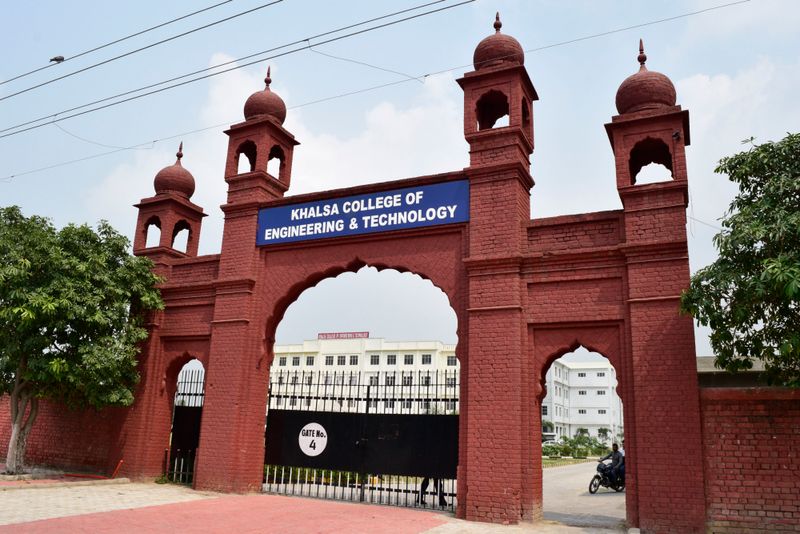
A clash involving students at a college in Amritsar has triggered concern and intense online debate after videos of the altercation went viral on social media platforms.
Several posts circulating online have claimed that the incident involved Kashmiri and Bihari students, turning what may have been a campus dispute into a sensitive regional controversy. However, authorities have not officially confirmed whether the clash was specifically linked to regional identity tensions.
Police have reportedly intervened to restore order on campus and have launched an investigation into the circumstances surrounding the incident.
As speculation spreads rapidly online, officials and observers are urging caution against drawing conclusions before verified statements emerge from law enforcement and college authorities.
What Happened at the Amritsar College?
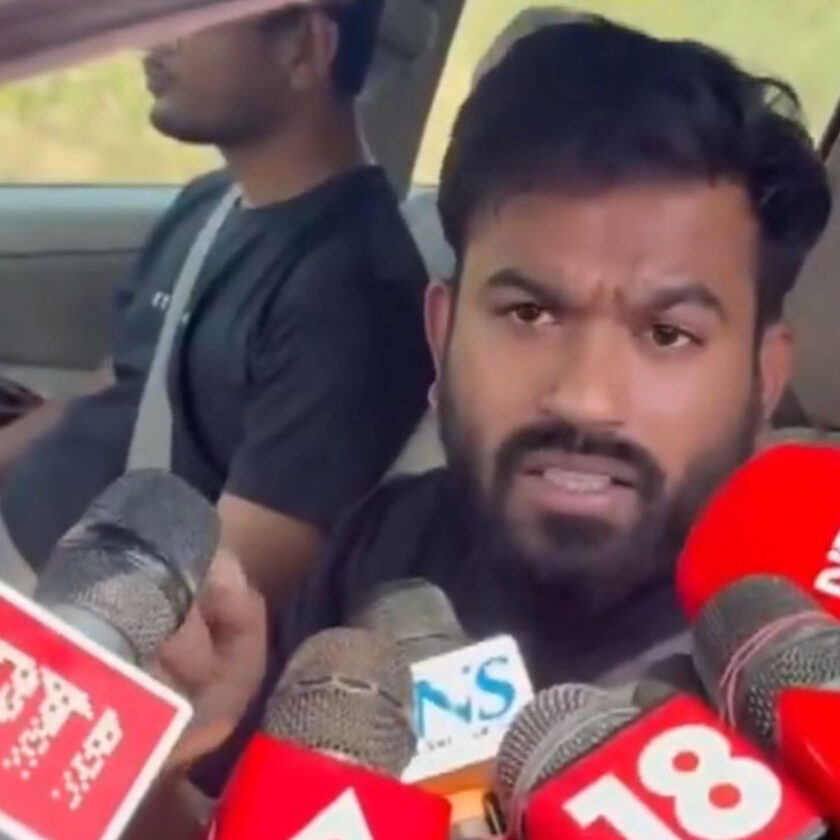
Videos circulating online show groups of students engaged in heated arguments, pushing, and physical scuffles inside the college premises.
The footage, widely shared across social media accounts, quickly fueled claims that the altercation involved students from Kashmir and Bihar.
However, as of now, there is no official confirmation supporting the “Kashmiri vs Bihari” framing being promoted online.
Authorities are still examining:
- What triggered the dispute
- Whether the clash involved organized groups
- If regional identity played any role
- Whether misinformation amplified the incident afterward
Police sources indicate that the situation was brought under control after intervention by local law enforcement personnel.
The college administration is also expected to issue a formal clarification to reassure students and prevent escalation.
Social Media Amplification Turns Local Disputes Into National Narratives
One of the most significant aspects of the incident is the speed with which social media transformed a campus altercation into a politically and emotionally charged regional issue.
Within hours of the videos surfacing online, hashtags and posts framing the dispute as “Kashmiri vs Bihari students” began circulating widely.
This reflects a broader pattern increasingly visible across India’s digital landscape:
Minor or localized incidents are often rapidly reframed through lenses of identity, region, religion, or politics before official facts are established.
Experts warn that such premature narratives can deepen mistrust and inflame tensions far beyond the original event.
In many cases, viral clips lack context, chronology, or verified background, making misinformation especially dangerous during emotionally sensitive situations.
Why the Kashmir–Bihar Framing Is Sensitive
The framing of the incident as a clash between Kashmiri and Bihari students carries broader social and political implications.
Both communities represent large student populations studying outside their home regions, often facing social adjustment challenges, stereotypes, and cultural differences.
Kashmiri Students Outside the Valley
Kashmiri students studying in other Indian states have periodically reported concerns related to profiling, suspicion, isolation, or political stereotyping — particularly during periods of heightened national tension.
Educational institutions in Punjab, Haryana, Uttar Pradesh, and Delhi host thousands of students from Jammu and Kashmir.
Bihari Students and Migration Identity
Students from Bihar also form a major migrant educational and workforce community across India.
They too frequently face stereotypes linked to language, class, migration, and regional identity.
Because of these existing sensitivities, even ordinary disputes can quickly acquire symbolic political meaning once social media frames them as identity-based conflicts.
Punjab Colleges and the Challenge of Diverse Student Communities
Punjab’s colleges and universities attract students from multiple Indian states due to relatively affordable education, private institutions, and proximity to northern regions.
Campuses often include students from:
- Jammu and Kashmir
- Bihar
- Himachal Pradesh
- Uttar Pradesh
- Northeast India
- Haryana and Delhi
This diversity enriches campus life but can also occasionally produce friction rooted in language differences, social habits, political opinions, or cultural misunderstandings.
Most such disagreements remain minor and isolated.
However, experts say that tensions escalate when outside political narratives or online misinformation enter the picture.
Police Probe Focused on Facts, Not Viral Claims
Authorities are reportedly attempting to separate verified facts from online speculation.
Investigators are expected to review:
- CCTV footage
- Student testimonies
- Viral video authenticity
- Sequence of events leading to the clash
- Whether inflammatory social media posts worsened the situation
Police officials have not publicly endorsed the “Kashmiri vs Bihari” narrative circulating online.
This distinction is important because unverified identity-based framing can itself contribute to polarization.
Observers say official clarity will be essential to prevent rumors from hardening into public perception.
Risks of Misinformation During Campus Incidents
Experts warn that misinformation during student conflicts can produce serious consequences far beyond the campus itself.
Escalation of Regional Tensions
Unverified claims may inflame hostility between communities with no direct involvement in the incident.
Mental Stress on Students
Students caught in viral controversies often face anxiety, fear, and reputational pressure, even when they were not directly involved.
Damage to Academic Environment
Campus clashes can disrupt classes, examinations, and institutional trust.
Political Exploitation
Identity-based narratives are sometimes amplified for ideological or political gain, making resolution more difficult.
This is why administrators and law enforcement agencies increasingly emphasize fact verification before public conclusions are drawn.
The Growing Role of Viral Videos in Shaping Public Perception
The Amritsar incident also highlights how visual content now shapes public understanding of events faster than official investigations.
Short video clips often:
- Lack context
- Show only fragments of incidents
- Omit what happened before or after
- Encourage emotional rather than factual reactions
In highly polarized digital environments, audiences frequently interpret footage according to pre-existing political or regional assumptions.
This creates a dangerous cycle where online narratives become accepted as truth before verification occurs.
Student Safety and Institutional Responsibility
The incident has renewed discussion around campus conflict management and student welfare in large educational institutions.
Experts say colleges hosting students from diverse regions must strengthen:
- Conflict resolution systems
- Student counseling mechanisms
- Anti-discrimination frameworks
- Rapid communication during crises
- Monitoring of misinformation affecting campuses
Administrators are also expected to reassure students and parents that safety measures remain in place.
Preventing escalation will likely become the immediate priority for both the institution and local authorities.
A Developing Story That Requires Caution
At present, the most important fact remains that authorities have not officially confirmed the viral claim that the clash was specifically a Kashmiri–Bihari dispute.
What is confirmed is that:
- A student altercation occurred
- Videos circulated widely online
- Police intervened
- Investigations are ongoing
Everything beyond those established facts remains subject to verification.
In emotionally sensitive situations involving regional identities, premature conclusions can quickly deepen divisions and create long-term social consequences.
As investigations continue, officials, students, and the public alike face a crucial test: whether facts will shape the narrative — or whether viral speculation will continue to dominate it.