Hormuz Crisis Hits India Hard: Oil Prices Volatile as U.S.–Iran Tensions Simmer
By: Javid Amin | 14 April 2026
Hormuz Crisis: Why India and South Asia Are on the Frontline of a Global Shock
The escalating confrontation between the United States and Iran is no longer just a Middle East issue—it is now directly impacting India and South Asia’s economic stability.
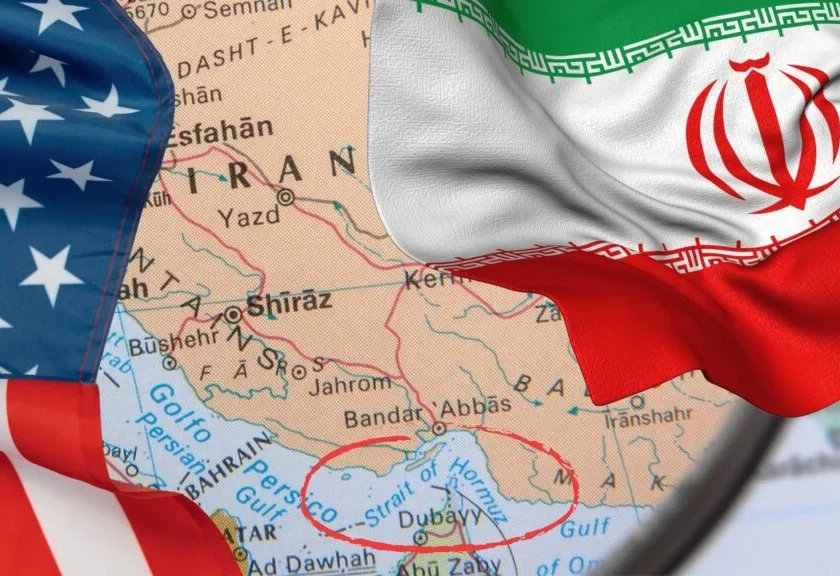
With tensions persisting around the Strait of Hormuz, nearly half of global oil shipments through this route are disrupted or delayed. For countries like India, which depend heavily on Gulf imports, the consequences are immediate and far-reaching.
Naval Standoff Continues: Why It Matters for India
Despite a fragile ceasefire, U.S. naval forces continue enforcing a blockade around Iranian ports.
- Around 15 U.S. warships deployed under United States Central Command
- Iran monitoring movements via the Islamic Revolutionary Guard Corps
- Skirmishes reported near Bandar Abbas
Any escalation could choke oil flows further—something India cannot easily absorb.
Strategic Concern for India
- Over 60% of India’s crude oil imports pass through Hormuz
- Even partial disruption creates price shocks and supply uncertainty
Oil Price Volatility: Direct Impact on Indian Consumers
After spiking above $150 per barrel, crude prices are now fluctuating between $110–$125—but this “dip” offers little relief.
What This Means for India
- Petrol and diesel prices under upward pressure
- Government may face difficult subsidy decisions
- Inflation likely to rise across transport and logistics sectors
Hidden Impact
Higher oil prices don’t just affect fuel—they increase:
- Food transportation costs
- Manufacturing expenses
- Overall cost of living
Trade & Food Security: The Silent Risk Emerging
The Strait of Hormuz is also a critical route for fertilizers and food-related shipments.
What’s Being Disrupted
- Urea and fertilizer imports delayed
- Wheat and rice supply chains affected
- Shipping rerouted via longer, costlier routes
Impact on India’s Agriculture
With the Kharif crop season approaching, fertilizer shortages could:
- Reduce crop yields
- Increase food prices
- Trigger rural economic stress
South Asia Under Pressure: A Shared Crisis
The ripple effects extend beyond India to Pakistan and Bangladesh.
Regional Snapshot
- Pakistan struggling with fuel subsidy burden
- Bangladesh facing rising electricity generation costs
- Entire region exposed to import-driven inflation
This makes South Asia one of the most vulnerable regions in the current crisis.
Diplomacy: Pakistan’s Crucial Role
Pakistan is actively mediating between Washington and Tehran, hosting talks in Islamabad.
- 21-hour negotiations ended without agreement
- Iran, led by Masoud Pezeshkian, blames U.S. demands
- U.S. leaders including JD Vance insist Iran must compromise
A second round of talks is expected soon—but time is running out.
Rising Risks: What India Must Watch Closely
Key Threats
- Full closure of Hormuz (worst-case scenario)
- Proxy attacks affecting shipping lanes
- Sharp spike in oil beyond $150 again
Strategic Signals to Monitor
- Movement of U.S. naval fleets
- Iranian military positioning
- Diplomatic announcements from Islamabad
Outlook: A Critical 10-Day Window
The ceasefire is set to expire in about 10 days, making the coming week decisive.
Best Case
- Talks resume and partial de-escalation begins
- Oil stabilizes below $110
Worst Case
- Naval confrontation escalates
- Oil surges past $150 again
- India faces inflation + supply shock double impact
Conclusion: A Global Crisis with Local Consequences
For India, the Hormuz crisis is not distant geopolitics—it is an economic reality unfolding in real time.
Fuel prices, food security, and inflation are all directly tied to what happens next in the Gulf.
As tensions between the United States and Iran persist, India—and much of South Asia—remains on high alert, navigating one of the most uncertain energy landscapes in recent years.