Iran Rejects Direct Talks with US in Islamabad, Signals Preference for Backchannel Diplomacy
By: Javid Amin | 24 April 2026
In a clear and calculated move, Iran has ruled out direct negotiations with the United States in Islamabad, even as diplomatic speculation intensified around a possible breakthrough.
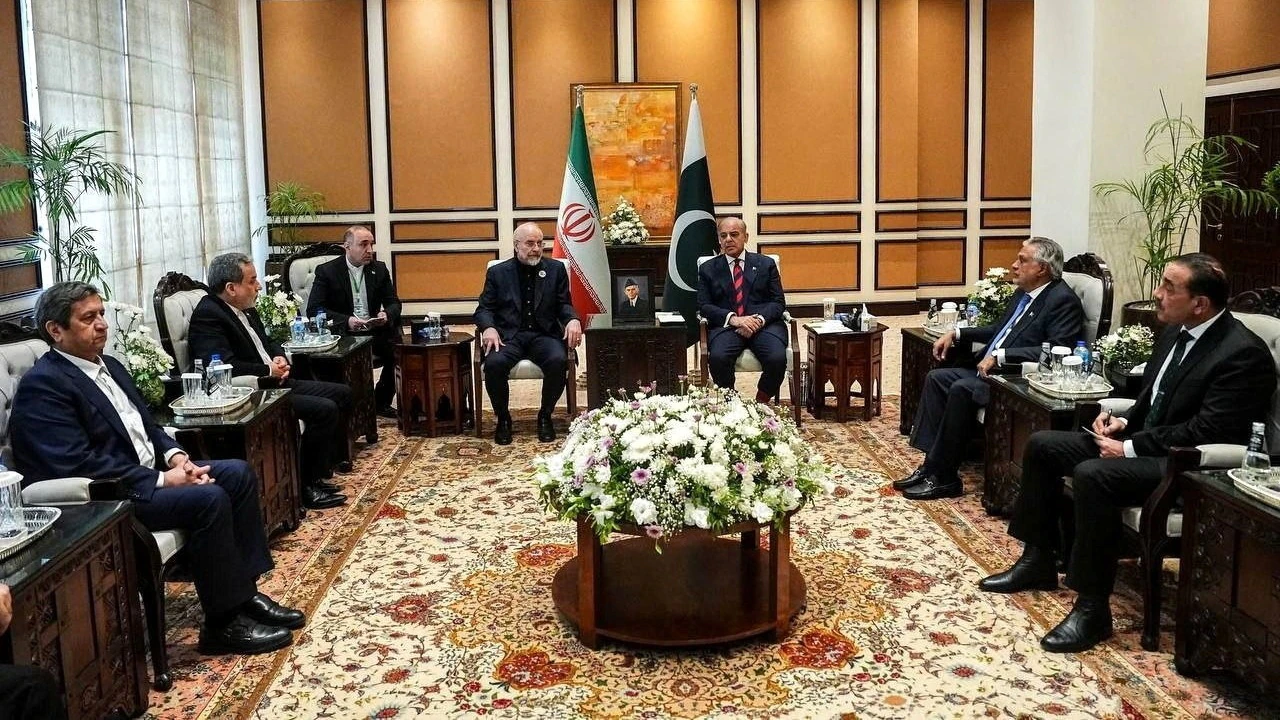
Tehran, through its foreign ministry spokesperson Nasser Kanaani (often cited in such communications), instead expressed appreciation for Pakistan’s “ongoing mediation and good offices”, framing Islamabad as a facilitator—not a venue for direct engagement.
This distinction is critical: Iran is not rejecting diplomacy—it is rejecting the format.
Pakistan’s Role: Mediator, Not Host
Pakistan’s diplomatic positioning has gained prominence in recent weeks:
- Acting as a neutral intermediary between Washington and Tehran
- Facilitating indirect exchanges and message-passing
- Attempting to prevent escalation in a region already on edge
Islamabad’s approach mirrors earlier mediation frameworks seen in Oman and Switzerland, where proximity diplomacy replaces direct confrontation.
For Pakistan, the stakes are high:
- Regional stability impacts its economic and security calculus
- Successful mediation enhances its global diplomatic standing
Iran’s Strategic Messaging: Engagement Without Concession
By rejecting direct talks, Iran is sending multiple layered signals:
1. No Talks Under Pressure
Tehran continues to frame the conflict as an “American-imposed war of aggression”, making direct engagement politically costly.
2. Indirect Channels Preserve Leverage
Backchannel diplomacy allows Iran to:
- Test US flexibility
- Avoid public concessions
- Maintain strategic ambiguity
3. Domestic Optics Matter
Hardline factions within Iran’s political system view direct talks as a symbolic capitulation, especially amid ongoing sanctions and military pressure.
A Pattern, Not an Exception: Timeline of Breakdown (2024–2026)
The current stance is part of a broader trajectory of deteriorating relations:
2024: Collapse of Nuclear Diplomacy
- Efforts to revive the Joint Comprehensive Plan of Action failed
- Washington demanded stricter nuclear limits; Tehran insisted on sanctions relief
2025: Escalation and Failed Mediation
- Indirect talks in Muscat collapsed over enrichment disputes
- A brief but intense Israel–Iran confrontation deepened mistrust
- The US reimposed sweeping sanctions, targeting oil and banking sectors
2026: Fragile Diplomacy, Rising Tensions
- Early indirect talks in Geneva focused on humanitarian issues
- Pakistan entered as a mediator amid rising military tensions
- Iran rejected direct talks in Islamabad while keeping indirect channels open
Why Indirect Diplomacy Works for Tehran
Iran’s preference for mediated engagement is rooted in strategic pragmatism:
- Political insulation: Shields leadership from domestic backlash
- Negotiation flexibility: Allows incremental progress without formal commitments
- Narrative control: Maintains anti-US rhetoric while quietly engaging
This model has precedent—particularly in Oman-mediated talks that eventually led to the 2015 nuclear agreement.
Global Implications: Diplomacy Slows, Risks Rise
Regional Diplomacy
Pakistan’s role underscores a shift toward multi-regional mediation frameworks, where mid-tier powers act as stabilizers.
Energy Markets
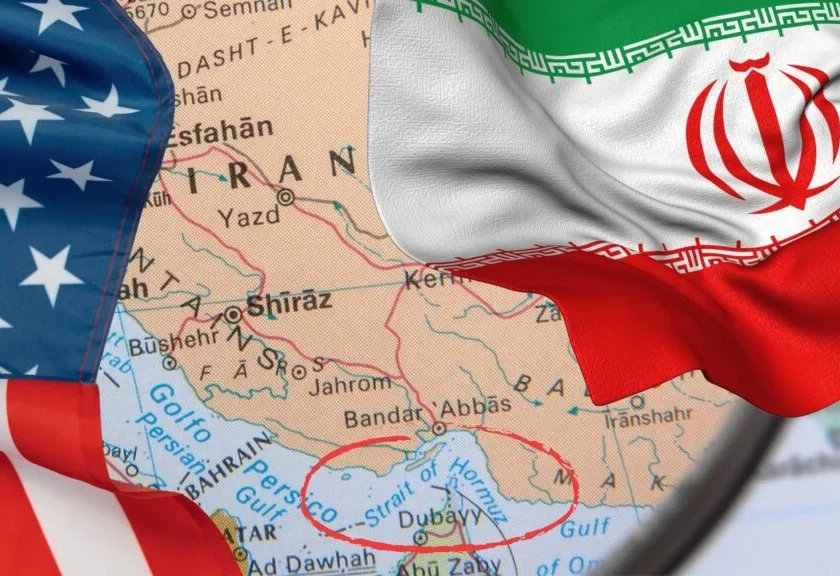
Uncertainty continues to cloud the Strait of Hormuz:
- Any escalation threatens global oil flows
- Markets remain volatile amid unclear diplomatic progress
Strategic Deadlock
The absence of direct talks reflects:
- Deep mistrust between Washington and Tehran
- Limited political space for compromise on both sides
Outlook: Indirect Talks, Direct Risks
The immediate future of US–Iran relations is likely to follow a familiar pattern:
- Indirect negotiations continue via mediators like Pakistan
- No major breakthrough without shifts on sanctions or nuclear policy
- Persistent risk of escalation, especially around maritime flashpoints
In strategic terms, the situation represents a managed confrontation—where dialogue exists, but only at arm’s length.
Conclusion: Diplomacy Through Distance
Iran’s rejection of direct talks in Islamabad is not a diplomatic dead-end—it is a recalibration.
By choosing distance over directness, Tehran preserves leverage while keeping the door open to de-escalation.
But this approach comes with a cost:
slower diplomacy, deeper mistrust, and a higher risk of miscalculation.