Iran–US Talks in Limbo: Islamabad Locked Down, But Tehran Yet to Commit
By: Javid Amin | 24 April 2026
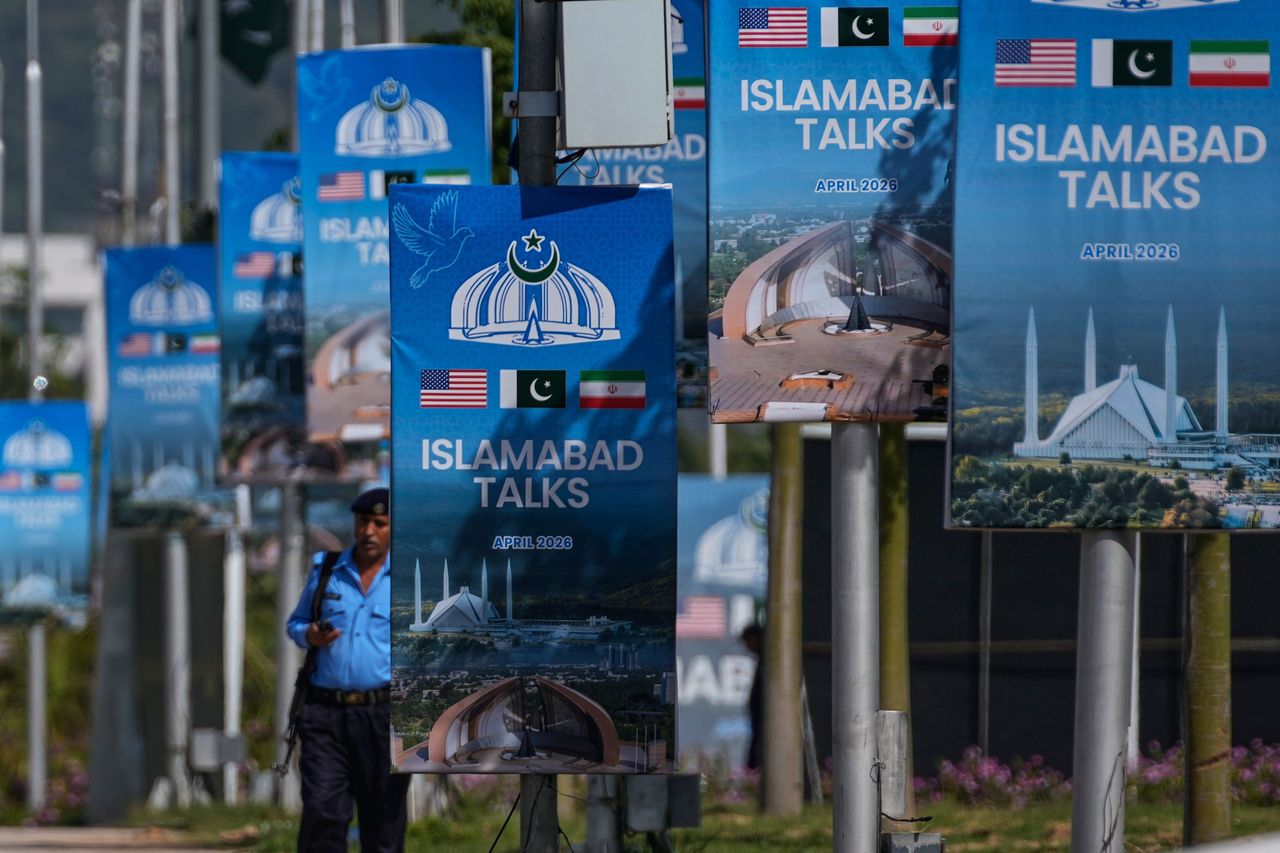
As of the evening of April 24, 2026 (IST), Islamabad stands on edge—fully secured, diplomatically primed, yet still waiting.
Despite multiple international reports suggesting that Iran’s Foreign Minister Abbas Araghchi could arrive tonight, Tehran has officially denied that any delegation has departed. The result: a high-stakes diplomatic standoff marked by uncertainty, conflicting narratives, and rising global attention.
Conflicting Signals: Arrival or Strategic Delay?
The most striking feature of the current situation is the contradiction between on-ground preparations and official confirmations.
- Several global media outlets indicate that an Iranian delegation is en route or preparing to travel
- Iranian state broadcaster Islamic Republic of Iran Broadcasting (IRIB) insists no delegation has left Tehran
- Pakistani authorities continue full-scale preparations, suggesting expectations of imminent talks
This divergence is not accidental—it reflects strategic signaling.
Iran appears to be leveraging ambiguity as a diplomatic tool, maintaining pressure while avoiding formal commitment under unfavorable conditions.
Islamabad Under Lockdown: Pakistan Prepares for High-Stakes Diplomacy
Ground Measures Include:
- Deployment of 10,000+ security personnel
- Closure of key roads, markets, and public transport routes
- Establishment of VVIP corridors and restricted zones
Pakistan’s actions signal more than precaution—they indicate a strong expectation that high-level delegations will arrive, even if timelines remain uncertain.
Iran’s Calculated Hesitation: Negotiation Under Pressure?
Tehran’s reluctance stems from a consistent strategic position:
- Refusal to negotiate under US naval blockade conditions
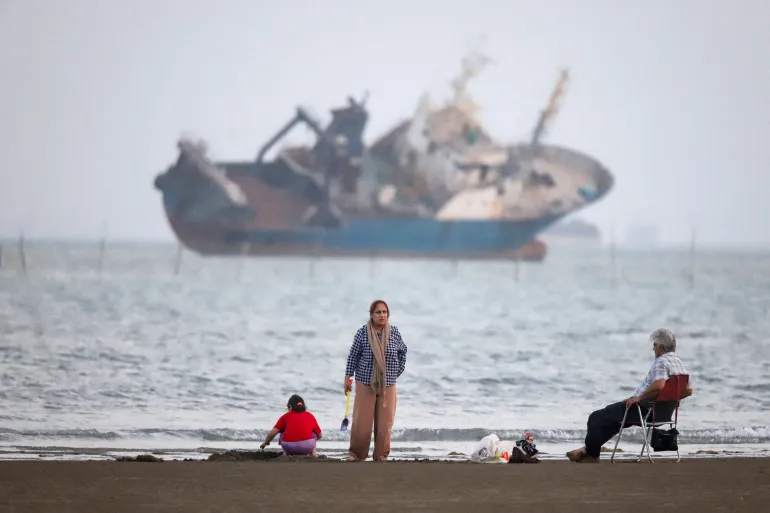
- Objection to seizure of Iranian-linked vessels
- Demand for a clear de-escalation framework before talks
By neither confirming nor fully rejecting participation, Iran retains flexibility while testing US intent.
This approach allows Tehran to:
- Avoid appearing diplomatically isolated
- Maintain leverage ahead of any formal negotiation
- Shift responsibility for delays onto Washington
US Position: Pressure + Diplomacy
The United States, led politically by Donald Trump, continues to pursue a dual-track strategy.
- Vice President JD Vance is expected in Islamabad by Sunday
- A US advance security/logistics team is already on ground
- Defence Secretary Pete Hegseth has issued warnings that “the clock is ticking”
However, mixed messaging from Washington—alternating between optimism and threats—has contributed to Tehran’s distrust.
Diplomatic Context: A Fragile Process on the Brink
The current uncertainty follows a failed first round of talks held on April 11–12 in Islamabad, where key disagreements emerged:
- Iran’s nuclear program
- US naval blockade in the Strait of Hormuz
- Broader regional security concerns
Compounding the urgency is the expiration of the Pakistan-brokered ceasefire, which has already technically lapsed, increasing pressure on all sides to restart dialogue quickly.
On-Ground Strategic Read: What Happens Next?
1. Short-Term Window (36–72 Hours)
If Iran’s delegation arrives tonight—or within the next 1–2 days—and US officials follow, talks could resume rapidly.
2. Phased Engagement Likely
Initial meetings may be limited to Pakistan–Iran consultations, allowing Tehran to shape the agenda before direct US engagement.
3. Risk of Diplomatic Embarrassment
If delegations fail to materialize, Pakistan risks reputational damage as a mediator—despite its proactive role led by Ishaq Dar and Asim Munir.
Regional Impact: Beyond Islamabad
The stakes extend far beyond Pakistan:
- Rising tensions in the Persian Gulf
- Continued instability in Lebanon involving Hezbollah
- Persistent risks around global oil flows through Hormuz
A diplomatic failure here could trigger a chain reaction across multiple conflict zones.
Core Reality: Diplomacy in Suspense
At this moment, the situation is defined by preparedness without confirmation.
- Pakistan is ready
- The US is preparing
- Iran is undecided—or strategically delaying
This creates a volatile equilibrium where expectations are high, but outcomes remain uncertain.
Bottom Line: Locked Down, But Not Locked In
As of April 24, 2026, there is no confirmed Iranian delegation in Pakistan, despite widespread anticipation.
Islamabad’s lockdown reflects readiness—not reality.
The coming 48–72 hours will be decisive. If Iran engages, diplomacy gets a second chance. If not, the already fragile ceasefire framework could collapse, pushing the region closer to escalation.
For now, the talks exist in a state of geopolitical limbo—where movement is expected, but not yet delivered.