“Marathons, Skiing & 5-Star Dinners”: A Political Punchline or Public Reality?
By: Javid Amin | 23 April 2026
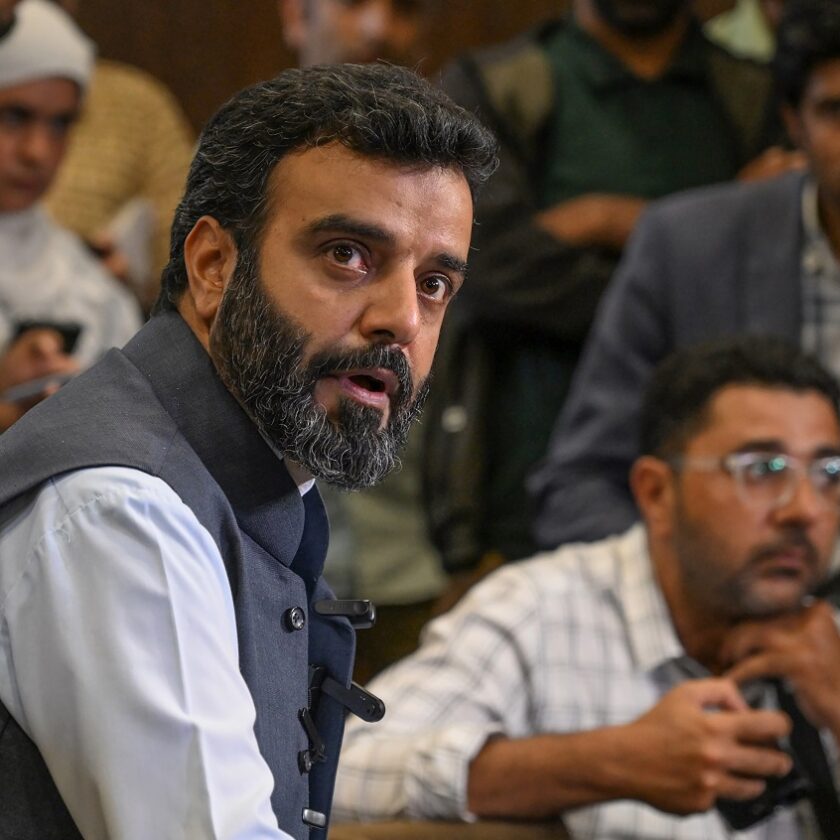
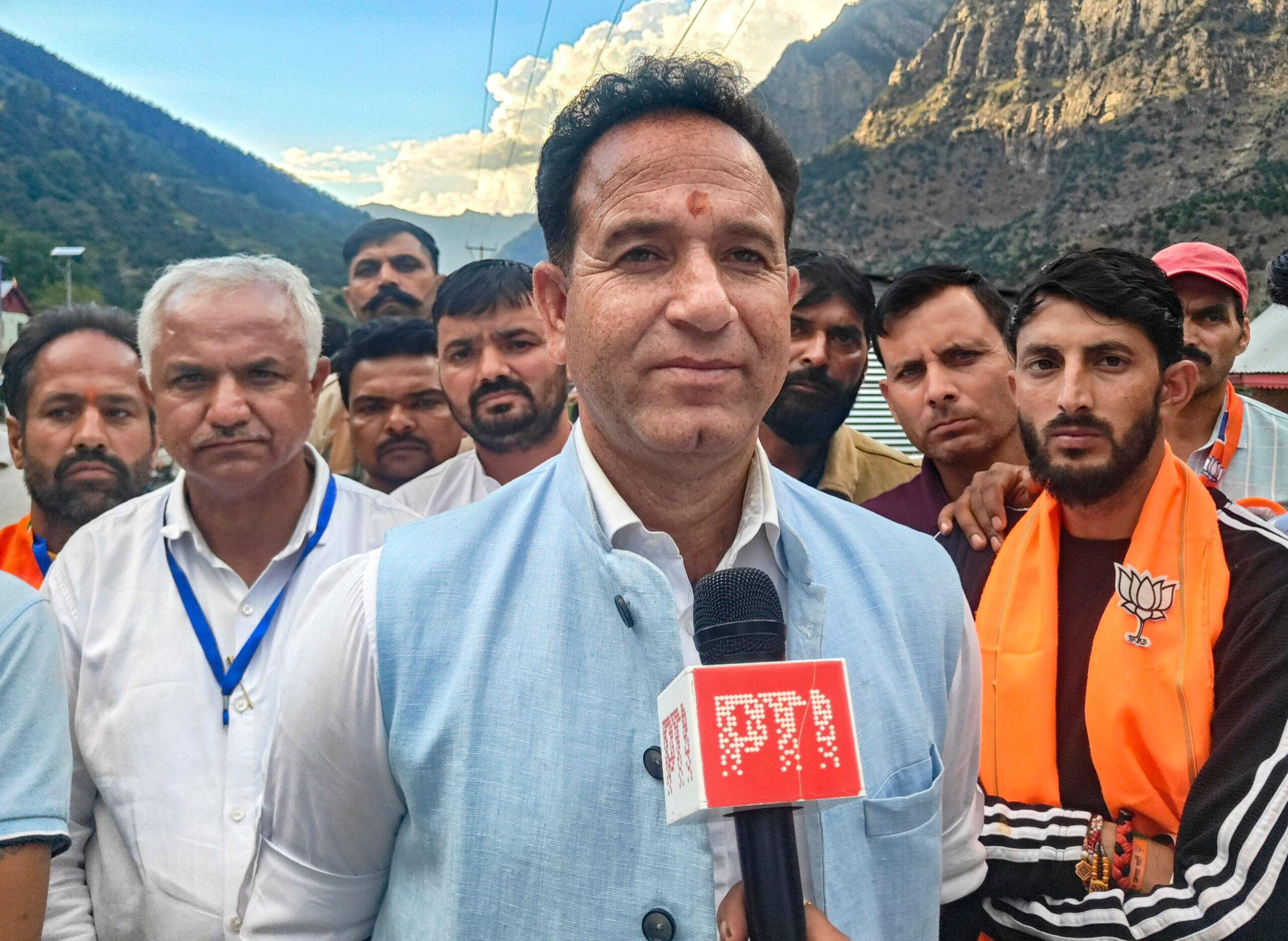
In the evolving political landscape of Jammu & Kashmir, rhetoric often shapes perception as much as policy does. The latest salvo from Sunil Sharma—accusing the National Conference government led by Omar Abdullah of being “busy in marathons, skiing, and 5-star dinners”—is more than a passing remark.
It is a carefully constructed political narrative, designed to tap into public frustrations and reframe governance priorities.
Lifestyle Optics vs Ground Governance
At the heart of Sharma’s criticism lies a contrast—one that is both visual and emotional.
On one side: images of marathons, tourism promotion events, skiing festivals, and high-profile gatherings.
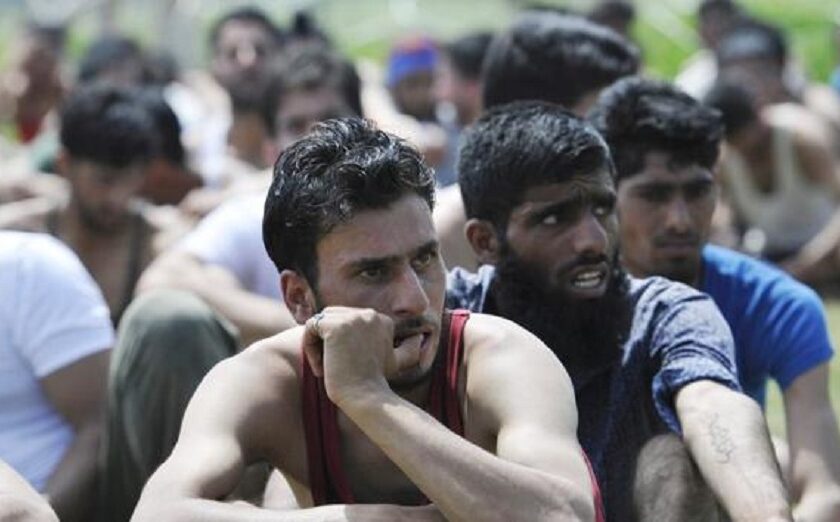
On the other: everyday struggles of citizens—unemployment, infrastructure gaps, rising living costs, and administrative delays.
Ground Reality Check
- Tourism Push: The J&K administration has actively promoted tourism revival—events like marathons and winter sports festivals are part of this strategy to boost the economy post-pandemic and post-Article 370 changes.
- Employment Concerns: Youth unemployment remains a persistent issue, particularly in rural Kashmir, despite government claims of job drives and private sector engagement.
- Infrastructure Gaps: While flagship projects (roads, railways, smart city initiatives) are underway, last-mile connectivity and basic civic services still lag in several areas.
The friction arises not from the events themselves, but from timing and perception—whether governance appears aligned with public urgency.
The Politics Behind the Statement
Sharma’s phrasing is not accidental—it follows a classic opposition playbook.
Strategic Framing
- Relatable Imagery: “5-star dinners” and “skiing” evoke exclusivity and privilege.
- Contrast Politics: Positions the ruling government as indulgent while the public struggles.
- Emotional Trigger: Targets sentiments of neglect and inequality.
This mirrors a broader national trend where political messaging leans heavily on symbolism over statistics to influence voter perception.
Public Sentiment: Does the Narrative Stick?
The effectiveness of such statements depends on how deeply they resonate with lived experiences.
What People Are Feeling
- Urban vs Rural Divide: Urban centers may see tourism and events as economic positives, while rural populations often feel excluded from tangible benefits.
- Perception Gap: Even where development exists, lack of visibility or uneven distribution fuels dissatisfaction.
- Trust Deficit: Repeated political accusations—if unanswered—can widen skepticism toward governance claims.
In politically sensitive regions like J&K, perception often travels faster than policy outcomes.
Governance vs Optics: A Delicate Balance
For the National Conference government, the challenge is structural:
- Promoting tourism and investment is essential for economic revival.
- But ensuring that these efforts translate into visible, grassroots benefits is equally critical.
A marathon may bring global attention.
A road, job, or electricity supply builds lasting trust.
The political risk emerges when optics overshadow outcomes.
Electoral Undercurrent: Setting the Stage
This statement also signals early positioning for future electoral battles.
What’s at Stake
- Narrative Control: BJP leaders aim to define the NC government before it defines itself.
- Voter Mobilization: Targeting undecided or disillusioned voters.
- Image Building: Reinforcing the idea of an “out-of-touch elite” vs a “ground-connected opposition.”
If repeated consistently, such messaging can crystallize into a dominant public narrative.
The Bottom Line
Sunil Sharma’s remark is not merely criticism—it is a strategic attempt to reshape how governance in Jammu & Kashmir is perceived.
For Omar Abdullah and his administration, the real test lies beyond rebuttals:
- Can governance outcomes become more visible than political optics?
- Can economic initiatives translate into everyday relief for citizens?
Because in the end, public perception isn’t shaped by events—it’s shaped by impact.