US–Iran Ceasefire Extended, But Blockade Keeps Peace Out of Reach
By: Javid Amin | 22 April 2026
The United States has extended its ceasefire with Iran beyond the April 22 deadline, offering a temporary pause in direct confrontation. However, the move has not translated into meaningful progress toward peace. Washington’s continued naval blockade of Iranian ports has effectively stalled diplomacy, with Tehran refusing to negotiate under what it calls “coercive conditions.”
At the same time, fresh violence in southern Lebanon and growing tensions around the Strait of Hormuz are threatening to undo even the limited stability the ceasefire has achieved.
Ceasefire Without Consensus: A Tactical Pause, Not Peace
President Donald Trump announced an indefinite extension of the ceasefire, signaling Washington’s intent to avoid immediate escalation. On the surface, the decision reduces the risk of a direct US–Iran military clash.
But the ceasefire is fragile by design.
Iran has not formally endorsed the extension. More importantly, Tehran argues that the ongoing US naval blockade violates the spirit—if not the letter—of the truce. This disconnect has created a situation where both sides claim restraint while continuing to apply pressure.
In practical terms, the ceasefire has paused large-scale hostilities but failed to establish the trust needed for negotiations.
Naval Blockade: The Core Obstacle to Diplomacy
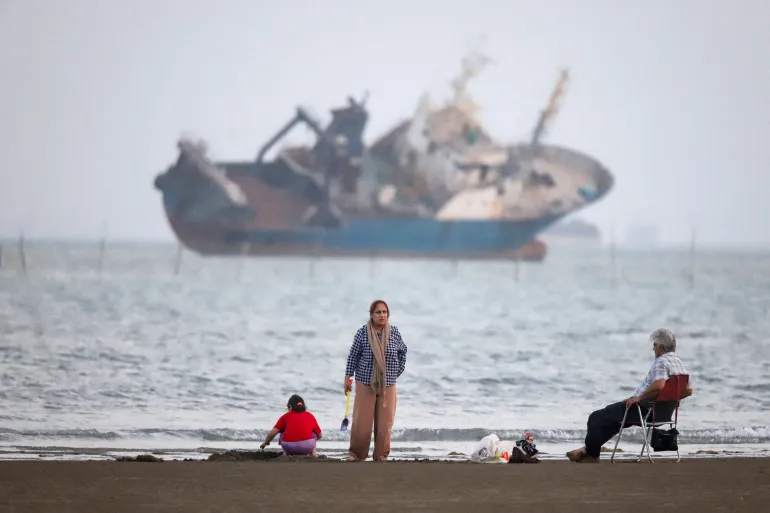
At the heart of the impasse is the US naval blockade targeting Iranian ports and shipping routes. Washington views the blockade as leverage to force Iran back to the negotiating table and to secure the reopening of the Strait of Hormuz, a critical artery for global oil shipments.
Iran sees it very differently.
Tehran considers the blockade an act of economic warfare and insists it must be lifted before any talks can begin. Iranian officials have dismissed US demands as “childish,” reflecting deep frustration with what they perceive as inconsistent and coercive diplomacy.
This fundamental disagreement has frozen the diplomatic track.
Islamabad Talks Collapse Before Momentum Builds
Efforts to mediate the crisis through Pakistan have so far failed to gain traction. The second round of talks in Islamabad has stalled after Iran declined to participate.
Pakistan’s role as a mediator is strategically significant—it maintains working relations with both Washington and Tehran. However, its influence is limited without active Iranian engagement.
Diplomatic sources suggest that Tehran’s withdrawal was triggered by mixed signals from the US, including continued military pressure alongside calls for dialogue. Without a clear shift in approach, the Islamabad channel is unlikely to deliver results.
Lebanon Flashpoint: Ceasefire Undermined on Another Front
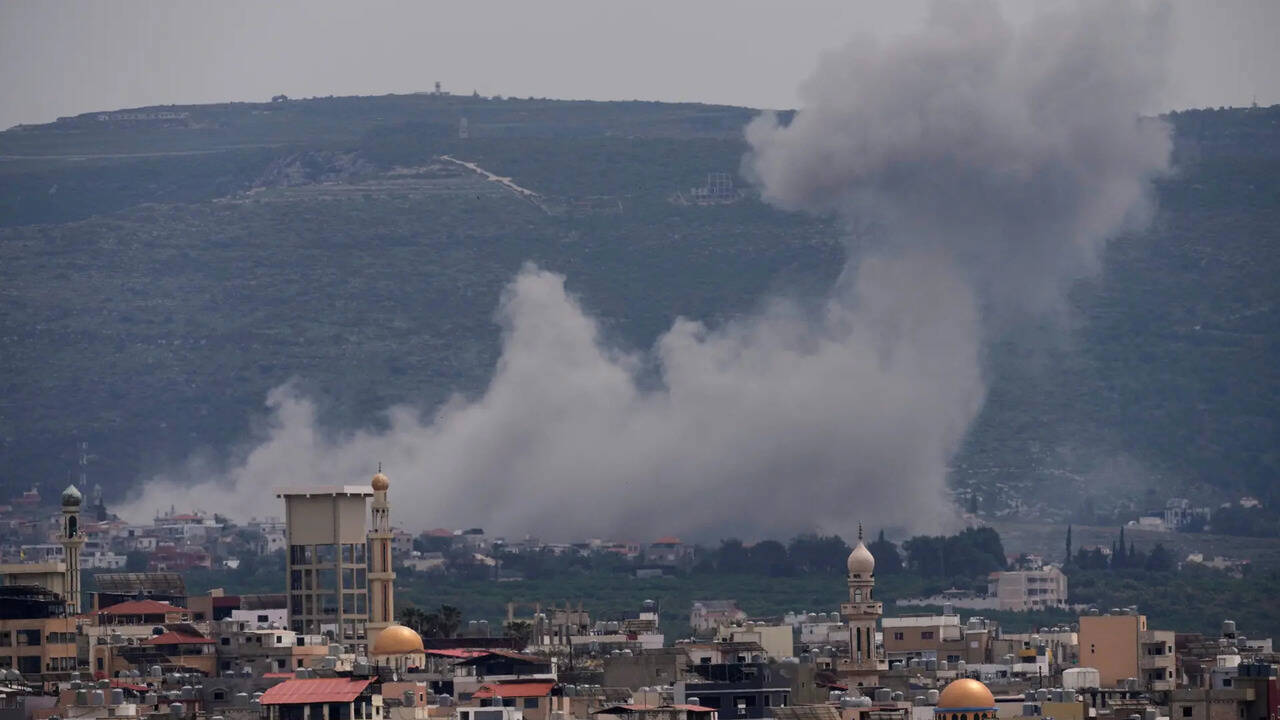
While Washington and Tehran maintain a tenuous truce, violence continues elsewhere in the region. Israel has intensified strikes in southern Lebanon, targeting positions linked to Hezbollah.
The risk is clear: continued strikes could draw Hezbollah deeper into the conflict, opening a second major front and complicating any attempt at de-escalation.
Strait of Hormuz: The World’s Most Dangerous Bottleneck
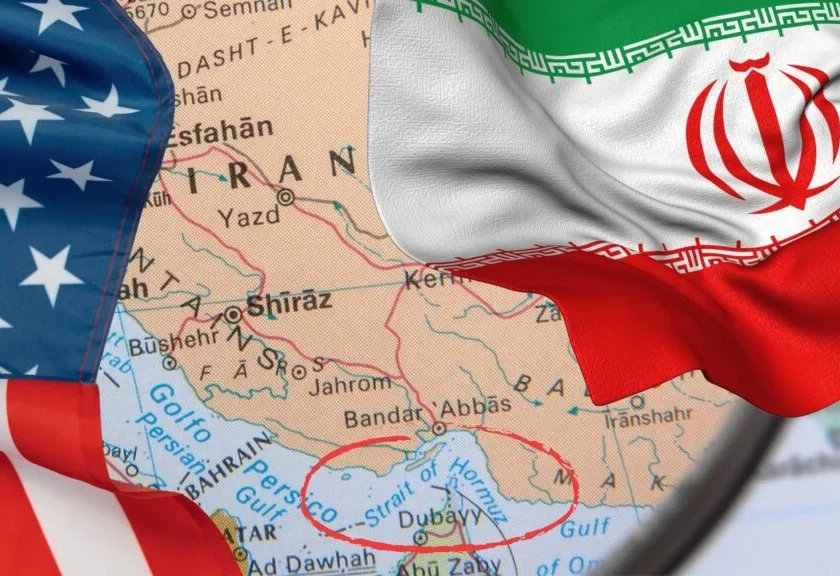
The Strait of Hormuz remains the most volatile نقطة in the crisis. Nearly 20% of the world’s oil supply passes through this narrow waterway, making it a critical chokepoint for global energy security.
Iran has repeatedly threatened to target vessels if the blockade continues, while the US has increased patrols and reportedly seized Iranian-linked ships.
This military posturing raises the risk of miscalculation. Even a limited incident—such as a ship seizure or drone strike—could rapidly escalate into a broader confrontation.
Oil Markets on Edge: Temporary Calm, Long-Term Risk
Global energy markets have responded cautiously to the ceasefire extension. Prices stabilized briefly following the announcement, reflecting reduced fears of immediate disruption.
However, the underlying risks remain unresolved:
- Any disruption in Hormuz could trigger a sharp spike in oil prices
- Continued uncertainty discourages long-term market stability
- Insurance and shipping costs in the region remain elevated
Energy analysts warn that the current calm is conditional—and could reverse quickly if tensions escalate.
Scenarios Ahead: Fragile Stability or Sudden Escalation
1. Ceasefire Holds (Medium Likelihood)
A continuation of the current situation—limited violations but no full-scale war. Oil markets remain sensitive but stable. However, without Iran’s participation, the truce lacks durability.
2. Talks Collapse, Fighting Resumes (High Likelihood)
The most probable outcome if the blockade continues. This could involve US strikes on Iranian infrastructure and potential Iranian retaliation, including Hormuz disruption.
3. Partial Deal via Mediation (Low Likelihood)
Would require a significant concession—most likely the US easing the blockade. Current positions suggest neither side is ready to compromise.
4. Regional Escalation in Lebanon (Medium Likelihood)
An expanded Israel–Hezbollah conflict could widen the war, indirectly pulling Iran deeper into the confrontation.
Strategic Assessment: A Stalemate with Escalation Risk
The current trajectory points to a prolonged stalemate rather than a pathway to peace.
The US strategy—extending the ceasefire while maintaining maximum pressure—has prevented immediate conflict but failed to unlock negotiations. Iran’s refusal to engage under blockade conditions ensures that diplomatic channels remain frozen.
Meanwhile, developments in Lebanon and the Strait of Hormuz continue to add layers of instability.
Conclusion: Drifting Toward the Next Crisis
The ceasefire extension has bought time—but not resolution.
Without a meaningful shift—either a US decision to ease the blockade or an Iranian move to reopen Hormuz—the situation is likely to deteriorate. The most realistic outlook is a fragile truce punctuated by periodic flare-ups, with the constant risk of sudden escalation.
In geopolitical terms, this is not de-escalation. It is a controlled crisis—one that could spiral if even a single miscalculation occurs.