How Climate Change, Toxic Air, and Seasonal Allergies Are Creating a Perfect Storm for Human Lungs
By: Javid Amin | 10 May 2026
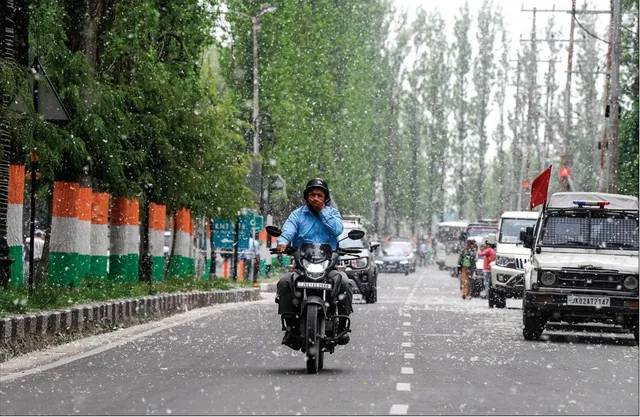
Pollens, Pollution, and Failing Lungs: The Invisible Enemies We Breathe Every Day
Every breath should sustain life. Yet for millions of people living in crowded cities and rapidly expanding towns, breathing itself is becoming a health risk.
Across urban and semi-urban regions, a dangerous combination of seasonal pollens, toxic pollution, and climate change is quietly damaging human lungs. Doctors are witnessing a sharp rise in asthma attacks, chronic cough, allergic rhinitis, bronchitis, and long-term respiratory illnesses — not only among the elderly, but increasingly in children and young adults.
What makes this crisis more alarming is that the threat often remains invisible. Tiny pollen grains floating in the air, microscopic particulate matter from vehicle emissions, industrial smoke, and dust from construction sites are entering human lungs every single day. Over time, they trigger inflammation, weaken immunity, and reduce the lungs’ ability to function properly.
Health experts now warn that respiratory diseases linked to pollution and allergens are no longer seasonal problems. They are becoming year-round public health emergencies.
The Rise of Pollens: Why Allergy Seasons Are Becoming Longer and More Dangerous
For decades, pollen allergies were considered temporary seasonal irritants. Sneezing, watery eyes, and runny noses were usually associated with springtime. Today, the situation is very different.
Rising temperatures and changing weather patterns are extending flowering seasons for grasses, weeds, and trees. This means pollen remains active in the air for much longer periods than before.
Climate researchers have repeatedly linked global warming with increased pollen production. Warmer winters and earlier springs allow plants to release pollen earlier and continue longer into the year. In many regions, allergy seasons now begin weeks ahead of schedule and stretch far beyond traditional timelines.
For people suffering from allergic rhinitis or asthma, this extended exposure can become dangerous.
Common Symptoms Triggered by Pollens
- Frequent sneezing
- Nasal congestion
- Itchy throat and eyes
- Persistent coughing
- Wheezing
- Breathlessness
- Fatigue and disturbed sleep
Children are among the worst affected. Pediatricians report increasing cases of breathing difficulties during peak pollen seasons, especially in densely populated urban neighborhoods where pollution already weakens respiratory health.
The elderly and individuals with pre-existing lung conditions also face higher risks because their immune systems and respiratory capacity are already compromised.
Pollution: The Toxic Cloud Damaging Human Lungs
While pollen attacks from nature, pollution intensifies the damage through human activity.
Modern cities are overwhelmed by toxic air generated from:
- Vehicle exhaust emissions
- Industrial smoke
- Construction dust
- Biomass burning
- Diesel generators
- Open waste burning
- Coal-based energy production
Among the most dangerous pollutants are PM2.5 and PM10 — microscopic particles small enough to enter deep into the lungs and even reach the bloodstream.
Why PM2.5 Is Especially Dangerous
PM2.5 particles are so tiny that they bypass the body’s natural defense systems. Once inhaled, they settle deep inside the lungs, causing chronic inflammation and oxidative stress.
Long-term exposure has been linked to:
- Asthma
- Chronic Obstructive Pulmonary Disease (COPD)
- Lung infections
- Reduced lung growth in children
- Cardiovascular disease
- Lung cancer
- Premature deaths
According to global public health findings, polluted air is now among the leading environmental causes of mortality worldwide.
In urban areas, residents may not even realize the extent of damage because exposure happens gradually over years.
When Pollens and Pollution Combine, Lungs Suffer the Most
Individually, pollen and pollution are harmful. Together, they become a devastating respiratory trigger.
Scientists and respiratory specialists explain that pollution can actually make pollen grains more aggressive. Polluted air weakens lung defenses and irritates airways, making the body hypersensitive to allergens.
This creates a “double assault” on the respiratory system.
A person exposed to high pollen counts and toxic air simultaneously may experience:
- Severe asthma flare-ups
- Chronic coughing
- Tightness in the chest
- Reduced oxygen intake
- Increased respiratory infections
- Lower exercise tolerance
Over time, repeated inflammation damages lung tissue and reduces breathing efficiency.
For outdoor workers, traffic police personnel, street vendors, laborers, delivery workers, and schoolchildren exposed to roadside pollution daily, the risk becomes even greater.
Climate Change Is Making the Respiratory Crisis Worse
Climate change is no longer a distant environmental debate. It is now directly affecting human lungs.
Extreme heat, erratic rainfall, droughts, and wildfires all contribute to worsening air quality. Heat accelerates the formation of ground-level ozone, another dangerous pollutant that irritates airways and triggers breathing problems.
At the same time, changing climate patterns increase airborne allergens.
How Climate Change Fuels Respiratory Diseases
Longer Growing Seasons
Plants produce pollen for extended durations.
Increased Wildfire Smoke
Forest fires release massive amounts of toxic particles into the atmosphere.
Dust Storms and Dry Conditions
Dry weather increases airborne dust and pollutants.
Heatwaves
Hotter temperatures intensify smog formation.
This combination creates what public health experts increasingly describe as a “respiratory emergency era.”
Urbanization and the Shrinking Space for Healthy Breathing
Rapid urbanization has dramatically altered the environment in which people live and breathe.
Cities are expanding faster than sustainable planning can support. Green spaces are shrinking while traffic congestion, construction activity, and industrial zones continue to grow.
In many developing urban centers:
- Air quality monitoring remains inadequate
- Public transport systems are weak
- Dust control measures are poorly implemented
- Waste burning continues unchecked
- Residential areas sit dangerously close to industrial sites
As a result, millions inhale unhealthy air daily without sufficient awareness or protection.
Ironically, urban populations often spend more time indoors believing they are safe, yet indoor air pollution from poor ventilation, cooking smoke, mold, dust, and chemical cleaners also contributes significantly to respiratory illness.
Children Are Breathing a Different Childhood
One of the most disturbing aspects of the respiratory crisis is its impact on children.
Medical professionals warn that children’s lungs are still developing, making them more vulnerable to pollution and allergens. A child exposed to toxic air over many years may never achieve full lung capacity.
Schools located near highways or congested roads often expose students to elevated pollution levels during critical developmental years.
Common impacts on children include:
- Frequent respiratory infections
- Reduced physical activity
- Poor concentration due to breathing difficulties
- Increased asthma dependency
- Sleep disturbances
- Long-term lung vulnerability
Parents are increasingly reporting that children experience breathing discomfort even during routine outdoor activities.
The Economic and Social Burden of Respiratory Illness
The consequences extend beyond hospitals and clinics.
Respiratory diseases affect productivity, education, mental health, and household finances. Families dealing with chronic asthma or COPD often face recurring medical expenses for inhalers, medicines, doctor visits, emergency care, and air purification systems.
For low-income communities, the burden becomes even harsher because access to healthcare and cleaner living environments is limited.
In many households, respiratory illness quietly reduces quality of life for years before becoming medically severe.
What Can Be Done to Protect Public Health?
Experts believe the crisis can still be controlled if governments, healthcare systems, urban planners, and citizens act together.
1. Stronger Air Quality Monitoring
Cities need real-time pollution tracking systems and public alerts that warn residents during dangerous air quality periods.
Transparent air quality reporting helps vulnerable individuals take precautions early.
2. Cleaner Urban Planning
Authorities must prioritize:
- Better public transport
- Reduced vehicle emissions
- Dust control at construction sites
- Expansion of urban green spaces
- Cleaner energy alternatives
Urban planning should place public health at the center of development strategies.
3. Public Awareness Campaigns
Many people still underestimate the long-term impact of polluted air and allergens.
Awareness campaigns should educate communities about:
- Wearing masks during high pollution days
- Keeping indoor spaces ventilated
- Monitoring pollen forecasts
- Avoiding outdoor exposure during peak smog hours
4. Medical Prevention and Early Treatment
Doctors recommend early diagnosis and treatment for recurring respiratory symptoms.
Common interventions include:
- Inhalers
- Antihistamines
- Nasal sprays
- Immunotherapy
- Pulmonary rehabilitation
Ignoring chronic cough or wheezing can allow conditions to worsen over time.
Protecting Yourself: Simple Daily Measures That Matter
While large-scale policy changes are essential, individuals can also reduce personal risk.
Practical Steps for Healthier Breathing
- Use certified masks during heavy pollution
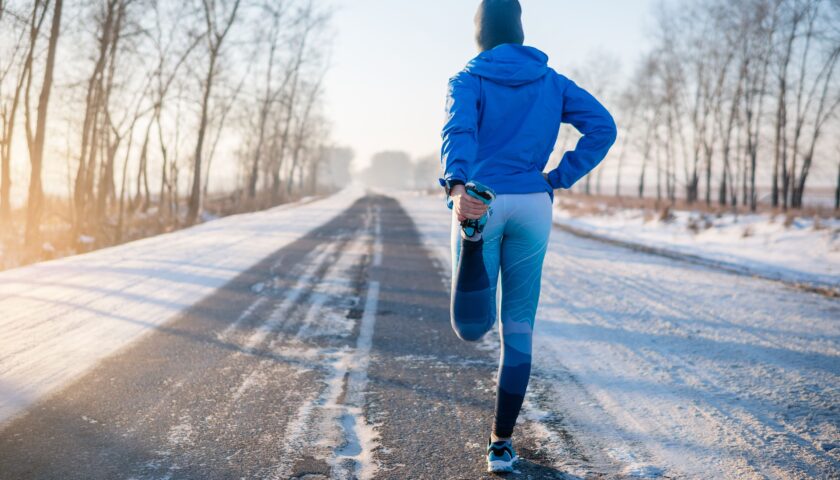
- Avoid outdoor exercise during peak traffic hours
- Keep windows closed during high pollen periods
- Use indoor air purifiers where possible
- Stay hydrated
- Maintain indoor cleanliness to reduce dust and mold
- Plant pollution-absorbing greenery around homes
- Follow local air quality updates regularly
Small lifestyle adjustments can significantly reduce respiratory stress.
The Future of Breathing Depends on Today’s Choices
Pollens, pollution, and failing lungs are not isolated problems. Together, they represent one of the defining public health challenges of modern urban life.
The crisis is unfolding quietly — through every traffic jam, every smoky skyline, every prolonged allergy season, and every child struggling to breathe during outdoor play.
What makes the issue urgent is that it affects everyone, regardless of age or income. Clean air is no longer guaranteed. It is becoming a resource that societies must actively protect.
If governments fail to strengthen environmental protections and cities continue expanding without sustainable planning, respiratory illnesses may become even more widespread in the coming decades.
The battle for healthier lungs will not be fought only in hospitals. It will be fought in climate policies, transport systems, urban planning, industrial regulation, and public awareness campaigns.
Because in the end, the most basic human act — breathing — should never become a daily health hazard.