‘Arrogant and Illogical’: Omar Abdullah’s Liquor Remarks Deepen Political Storm in J&K
By: Javid Amin | 11 May 2026
What began as an off-the-cuff comment by Omar Abdullah on liquor sales has now evolved into a full-scale political controversy across Jammu and Kashmir.
Even after the Chief Minister admitted his remarks were a “mistake” and clarified that no new liquor outlets had been opened under his government, criticism continues to intensify from political rivals, religious voices, and even leaders within the broader regional political spectrum.
The latest attacks came from:
- Aga Ruhullah Mehdi, who described Omar’s comments as “arrogant and illogical,” and
- Darakhshan Andrabi, who invoked Kashmir’s spiritual identity as the “land of sufis and saints.”
Together, the reactions show how the liquor debate has transformed from a policy discussion into a wider battle over:
- identity,
- religious sentiment,
- secular governance, and
- political legitimacy.
Aga Ruhullah’s Sharp Attack: ‘Arrogant and Illogical’
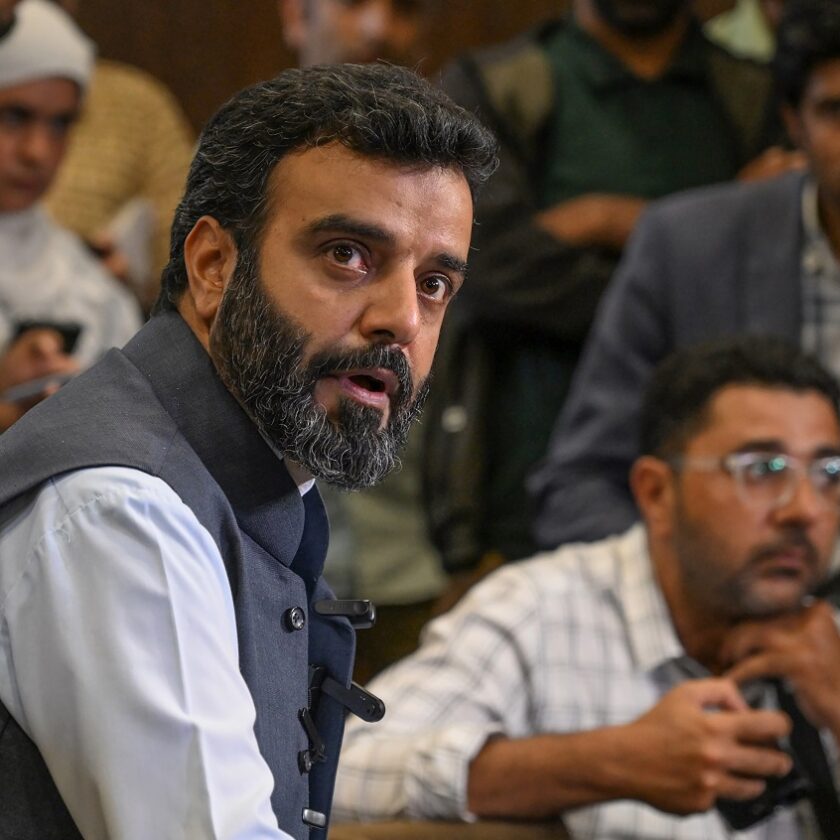
Aga Ruhullah Mehdi delivered one of the strongest criticisms yet of Omar Abdullah’s position.
Calling the Chief Minister’s remarks:
“arrogant and illogical,”
Ruhullah argued that Omar Abdullah appeared dismissive of the religious and cultural sensitivities of the Muslim-majority Valley.
His criticism is politically significant because:
- Ruhullah belongs to the broader National Conference ecosystem but often projects an independent ideological voice,
- and his remarks reflect unease even among sections of regional political opinion over the handling of the issue.
By framing the remarks as arrogance rather than merely disagreement, Ruhullah elevated the controversy from policy debate to a question of political attitude and public sensitivity.
‘Kashmir Is the Land of Sufis and Saints’: Darakhshan Andrabi
Darakhshan Andrabi also intensified pressure on Omar Abdullah by invoking Kashmir’s spiritual and civilizational identity.
She argued that:
Kashmir is the “land of sufis and saints,” and the Chief Minister should listen to public demands instead of dismissing them.
Her remarks are part of the BJP’s broader attempt to:
- align itself with cultural conservatism,
- project sensitivity toward religious sentiment, and
- politically corner NC on moral and identity issues.
This positioning is particularly notable because it allows BJP to engage with public sentiment in the Valley on a socially conservative issue, despite deep political differences elsewhere.
Why Omar Abdullah’s Remarks Triggered Such Intense Reaction
The controversy centers around Omar Abdullah’s earlier statement defending the continuation of liquor sales in J&K.
He had said:
“Who has forced anyone to drink? People are going to these shops of their own. We are not advertising it.”
While intended as a defense of personal choice and secular governance, the comment was widely perceived as:
- casual,
- dismissive, and
- insensitive to majority religious sentiment.
In Kashmir’s political climate, where:
- alcohol consumption remains socially taboo for many, and
- religious identity deeply influences public discourse,
even a brief statement quickly became politically explosive.
PDP Joins the Offensive
The Jammu and Kashmir Peoples Democratic Party has aggressively used the controversy to attack NC.
Mehbooba Mufti’s Position
Mehbooba Mufti linked the issue to:
- women’s safety,
- social values, and
- cultural stability.
She warned that increasing normalization of alcohol could damage Kashmir’s social fabric.
Iltija Mufti’s Criticism
Iltija Mufti attacked Omar Abdullah’s logic by citing:
- Gujarat and
- Bihar,
where prohibition exists despite Hinduism not prohibiting alcohol consumption.
Her argument attempted to dismantle Omar’s secularism-based defense by suggesting:
👉 prohibition can exist beyond purely religious reasoning.
BJP’s Expanding Position on Prohibition
Ravinder Raina has also repeatedly demanded a liquor ban.
The BJP frames prohibition as:
- a moral issue,
- a cultural necessity, and
- a social reform measure.
This creates an unusual political moment:
👉 PDP and BJP — despite being ideological rivals — are both attacking NC from converging positions on the liquor issue.
Omar Abdullah Forced Into Damage Control
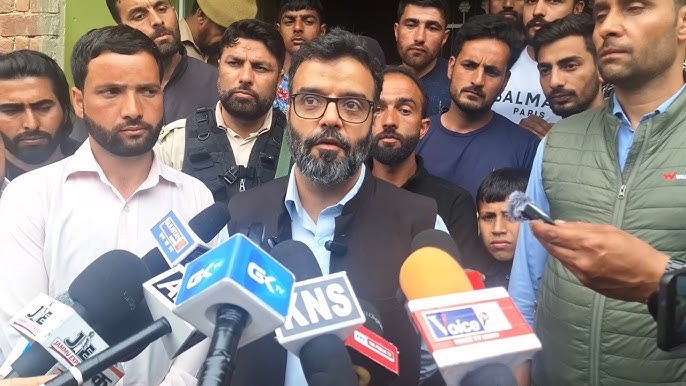
Facing growing backlash, Omar Abdullah later clarified:
- no new liquor shops had been opened by his administration,
- existing outlets largely cater to tourists and communities whose religion permits alcohol, and
- his roadside comment was made casually and should not have been phrased that way.
Most importantly, he admitted:
making the statement publicly in that manner was “a mistake.”
The partial rollback reflected:
- the intensity of the backlash, and
- recognition that the issue had touched a deeply emotional nerve.
The Larger Clash: Secularism vs Cultural Sentiment
At the heart of the controversy lies a deeper ideological tension:
| Position | Core Argument |
|---|---|
| NC | Governance should remain secular and protect personal freedom |
| PDP & BJP | Governance must reflect public morality and cultural sentiment |
This has turned the liquor debate into:
👉 a symbolic confrontation over the identity of governance in Jammu and Kashmir.
Political Fallout for NC
The controversy has politically hurt the National Conference in several ways:
1. Opposition Unity Against Omar
PDP and BJP found common rhetorical ground against NC.
2. Perception of Disconnect
Critics portrayed Omar Abdullah as:
- out of touch,
- dismissive, and
- insensitive to public sentiment.
3. Shift Away From NC’s Governance Narrative
NC had been trying to focus on:
- youth,
- employment,
- education, and
- self-reliance.
Instead, the party became trapped in a cultural controversy dominating public discourse.
Lessons From Other States
The prohibition debate also reopened discussion about states with existing liquor bans:
| State | Current Status |
|---|---|
| Gujarat | Long-standing prohibition |
| Bihar | Ban in force since 2016 |
| Nagaland | Partial prohibition |
| Mizoram | Ban reinstated in 2019 |
However, critics of prohibition point to:
- black markets,
- smuggling, and
- illicit alcohol tragedies
as evidence that bans alone do not eliminate alcohol consumption.
Conclusion: A Political Crisis Born From One Sentence
The liquor controversy demonstrates how rapidly cultural and religious issues can reshape political discourse in Jammu and Kashmir.
What Omar Abdullah may have intended as a defense of secular governance and personal freedom was interpreted by opponents as:
- arrogance,
- insensitivity, and
- disregard for Kashmir’s cultural ethos.
Now, the debate is no longer just about liquor policy.
It has become a broader referendum on:
- leadership style,
- public responsiveness, and
- how governance balances secular principles with deeply rooted social sentiment.
In Kashmir’s emotionally charged political landscape, even a single sentence can become a defining political flashpoint.