Iran Reopens Strait of Hormuz Amid Lebanon Ceasefire; U.S. Blockade Still in Force
By: Javid Amin | 17 April 2026
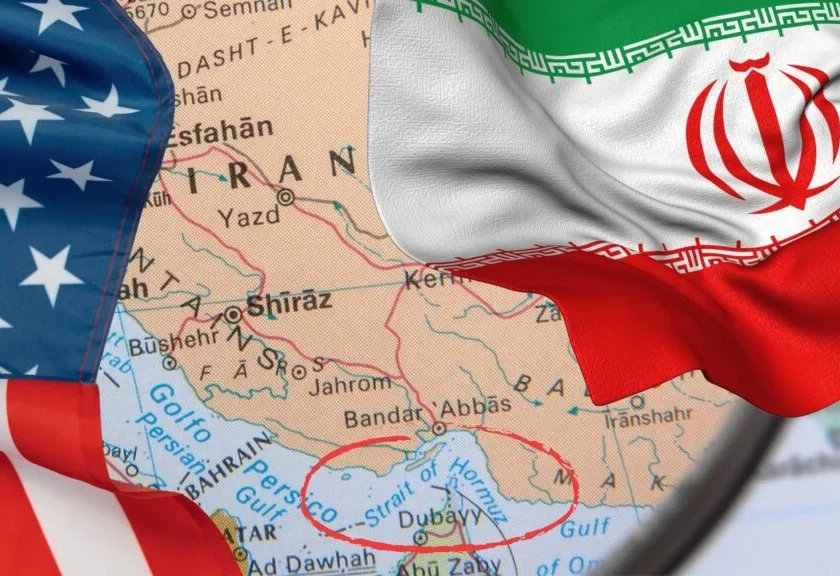
In a significant geopolitical shift, Iran has announced the reopening of the Strait of Hormuz for commercial shipping, offering temporary relief to global energy markets rattled by weeks of conflict.
The move comes amid the fragile ceasefire between Israel and Lebanon, underscoring how interconnected regional flashpoints have become.
Yet, despite the reopening, the United States has made it clear: its naval blockade of Iranian ports remains firmly in place, keeping the broader crisis unresolved.
Ground Situation: What Has Changed—and What Has Not
What Iran Has Done
Iran’s Foreign Minister Abbas Araghchi confirmed that:
- The Strait is now “completely open” for commercial vessels
- Ships must follow designated maritime routes under Iranian coordination
- The reopening is directly tied to the Lebanon ceasefire
U.S. Response
Donald Trump publicly acknowledged the move with a brief “thank you,” signaling cautious approval.
However, Washington has not altered its strategic posture:
- U.S. naval forces continue enforcing the blockade
- Iranian oil exports remain restricted
- Surveillance and military presence in the Gulf remain high
The result: Hormuz is open—but not fully free.
A Contradictory Reality: Open Waters, Restricted Access
This dual dynamic has created a complex operational environment:
- Commercial shipping can pass through Hormuz
- But vessels linked to Iranian ports still face U.S. restrictions
- Insurance premiums remain elevated due to perceived risk
For global shipping companies, the message is clear:
access has improved, but certainty has not.
Economic Impact: Markets Stabilize, But Caution Prevails
Oil Market Reaction
- Prices have stabilized after weeks of volatility
- Brent crude remains in the $110–$125 range
- Traders remain cautious due to geopolitical uncertainty
The reopening of the Strait of Hormuz—which carries nearly 20% of global oil and gas—has eased immediate supply fears.
Shipping Sector Response
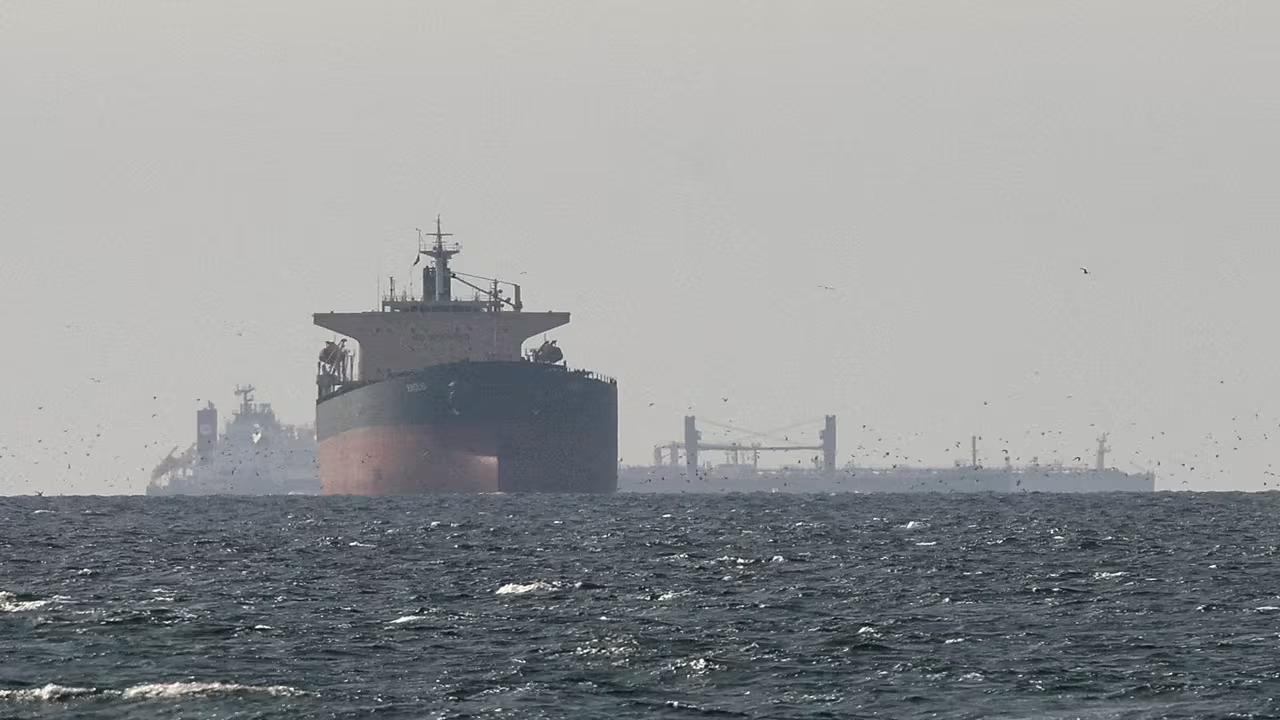
- Tanker traffic gradually resuming
- Freight routes normalizing
- Insurance costs still significantly higher
Regional Economic Relief
Gulf economies—including Saudi Arabia, United Arab Emirates, and Qatar—have welcomed the move, though with caution.
Lebanon Ceasefire Link: Why Timing Matters
The reopening is not a standalone decision—it is tightly linked to the 10-day ceasefire between Israel and Lebanon.
Key Connection
- Iran has effectively conditioned maritime access on regional calm
- Any breakdown in the ceasefire could trigger renewed restrictions
Groups like Hezbollah—closely aligned with Iran—remain central to this equation.
In effect, Hormuz has become a diplomatic lever tied to multiple conflicts.
Risks & Uncertainty: Why the Crisis Is Far From Over
Temporary Nature
The reopening is explicitly conditional:
- Ceasefire breakdown = possible reclosure
- Maritime access remains a bargaining tool
Security Concerns
- U.S. and allied naval forces still active
- Reports of minor ceasefire violations in southern Lebanon
- Persistent risk of escalation
Strategic Tension
The contradiction between:
- Iran’s “open strait” declaration
- U.S. enforcement of a blockade
…creates a fragile equilibrium that could shift quickly.
Bigger Picture: Hormuz as a Geopolitical Pressure Point
The Strait of Hormuz remains one of the most strategically sensitive waterways in the world.
Why It Matters
- Handles ~20% of global energy trade
- Connects Gulf producers to global markets
- Serves as a lever in U.S.–Iran negotiations
Iran’s decision to reopen the strait signals a calculated de-escalation move, possibly aimed at:
- Easing international pressure
- Supporting ongoing diplomatic efforts
- Strengthening its negotiating position
Outlook: A Fragile Window of Opportunity
Best Case
- Lebanon ceasefire holds
- Shipping normalizes further
- U.S.–Iran talks gain traction
Worst Case
- Ceasefire collapses
- Hormuz restrictions return
- Oil prices spike above $150 again
Most Likely
- Partial stability continues
- High volatility persists
- Diplomatic efforts intensify
Conclusion: Relief with Limits
Iran’s reopening of the Strait of Hormuz offers a welcome but limited reprieve for global markets.
While it signals a willingness to reduce tensions, the continued U.S. blockade and fragile ceasefire in Lebanon mean the broader crisis is far from resolved.
For now, the region stands in a delicate balance—
between cautious cooperation and renewed confrontation.