Kashmir Weather Alert: Heavy Rain, Hailstorm Disrupt Srinagar Life as Extreme Weather Pattern Raises Concerns
By: Javid Amin | 22 June 2026
Waterlogging in Srinagar, hail damage in North Kashmir and tourism disruptions highlight growing climate challenges in the Valley
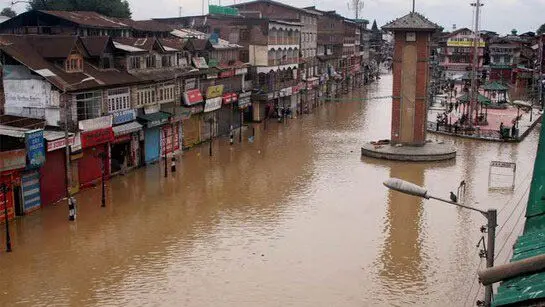
Kashmir witnessed another spell of intense weather activity as heavy rainfall and hailstorms swept across the Valley, disrupting normal life and exposing weaknesses in urban drainage systems and mountain preparedness.
From waterlogged streets of Srinagar to hail-hit orchards in North Kashmir, the sudden weather shift affected commuters, traders, farmers and tourists.
The rainfall brought temporary relief from dry conditions and refreshed Kashmir’s green landscape, but the intensity of the showers also highlighted a growing concern — increasingly unpredictable summer weather events in the Himalayan region.
Meteorologists say such episodes are often linked to interactions between western disturbances and moisture-filled pre-monsoon weather systems, while climate experts warn that rising temperatures are influencing rainfall behaviour across mountain regions.
Srinagar struggles as heavy rain overwhelms drainage system
The summer rain exposed recurring urban challenges in Srinagar as several areas witnessed water accumulation after continuous showers.
Major locations including:
- Lal Chowk
- Residency Road
- Bemina
- Several low-lying residential areas
reported waterlogging, affecting traffic movement and daily business activity.
Commuters faced delays as roads became difficult to navigate, while shopkeepers and residents dealt with water entering streets and commercial areas.
Urban experts say Srinagar’s rapid expansion, construction pressure and limited drainage capacity make parts of the city increasingly vulnerable during intense rainfall.
Unlike traditional rainfall spread over longer periods, short-duration heavy showers create sudden pressure on drainage networks.
North Kashmir hailstorm damages orchards and property
While Srinagar battled waterlogging, parts of North Kashmir experienced intense hail activity.
The hailstorm affected areas around Baramulla and nearby agricultural zones, with reports of damage to:
- Apple orchards
- Maize fields
- Vehicles
- Rooftops
- Temporary structures
For farmers, especially those dependent on horticulture, hailstorms remain one of the biggest weather threats.
A few minutes of intense hail can damage fruit crops that require months of care, creating financial pressure for growers.
Apple-producing areas of Kashmir are particularly sensitive during the growing season, when young fruit development can be badly affected by hail impact.
Tourism sector faces sudden weather disruption
Kashmir’s major tourist destinations, including Gulmarg and Pahalgam, also experienced sudden weather changes.
Visitors planning outdoor activities faced disruptions as authorities and operators advised caution.
Activities affected included:
- Trekking
- Outdoor sightseeing
- Adventure activities
- Nature excursions
Tourism stakeholders say unpredictable weather has become an important factor for visitor safety planning, especially in high-altitude areas.
While rain enhances Kashmir’s natural beauty, sudden storms can create risks on mountain routes and tourist trails.
Why are such weather events increasing in Kashmir?
The Meteorological Department has linked the current weather spell to the interaction of western disturbances with pre-monsoon atmospheric conditions.
Western disturbances are weather systems that bring moisture and influence rainfall patterns in the Himalayan region.
When combined with warm, moisture-rich air, they can produce:
- Heavy rainfall
- Thunderstorms
- Hailstorms
- Sudden temperature changes
Experts say Kashmir’s geography makes these events more significant because the Valley is surrounded by mountains where runoff can quickly move towards settlements.
Climate change and Kashmir’s changing summer pattern
Weather experts have increasingly focused on the changing character of rainfall in the Himalayan region.
Earlier, seasonal rainfall was generally spread across longer periods. However, recent years have seen more sudden and intense weather episodes.
Climate scientists point towards:
Rising temperatures
A warmer atmosphere can store more moisture, increasing the possibility of intense precipitation events.
Changing rainfall behaviour
Rainfall patterns are becoming more irregular, with longer dry periods followed by intense showers.
Pressure on natural systems
Loss of vegetation, land-use changes and construction activity can increase the impact of floods and landslides.
Experts caution that individual storms cannot always be directly attributed to climate change, but the broader trend of increasing weather volatility is a growing concern.
Agriculture under pressure as farmers face repeated losses
Kashmir’s agriculture and horticulture sectors remain among the most vulnerable to extreme weather.
Farmers in Baramulla, Shopian and other producing districts are concerned about crop damage.
Apple orchards face risks from:
- Hailstorms
- Unseasonal rainfall
- Temperature fluctuations
Maize and other seasonal crops can also suffer from waterlogging and sudden weather shocks.
Farmers increasingly demand better weather information, crop protection support and stronger insurance mechanisms to deal with climate-related losses.
Infrastructure challenge: Is Kashmir prepared for extreme rainfall?
The latest rainfall episode has again raised questions about infrastructure readiness.
Experts say climate adaptation requires more than emergency response.
Long-term measures include:
- Improving city drainage systems
- Protecting natural water channels
- Scientific urban planning
- Better flood mapping
- Strengthening early warning systems
For Srinagar, recurring waterlogging has become a seasonal challenge, showing the need for stronger stormwater management.
Safety advisory for residents and visitors
Authorities and weather experts advise people to remain cautious during heavy rainfall.
Residents should:
- Avoid riverbanks and flood-prone areas
- Stay away from unstable slopes
- Monitor official weather alerts
- Keep emergency essentials ready
Tourists should:
- Check weather forecasts before travel
- Avoid risky outdoor activities during storms
- Follow local advisories in mountain areas
Farmers should:
- Secure livestock
- Protect orchards where possible
- Record crop damage for official assessment
Kashmir’s summer landscape is changing
The latest spell of heavy rain and hailstorm reflects a larger environmental challenge facing Kashmir.
The Valley continues to depend on its fragile Himalayan ecosystem, where weather changes directly affect daily life, agriculture, tourism and infrastructure.
Rain remains essential for Kashmir’s rivers, forests and farms, but increasingly intense weather events show that preparation and climate resilience are becoming more important than ever.
The challenge ahead is balancing development with environmental protection while preparing communities for a more unpredictable climate future.