Kashmir Heatwave 2026: Record June Temperatures, Power Cuts, Climate Change Impact and Health Risks
By: Javid Amin | 28 June 2026
Valley Is Faces One of Its Hottest Summers as Climate Change Redefines Seasonal Patterns
For generations, Kashmir has been known as India’s summer retreat—a place where cool mornings, pleasant afternoons and refreshing evenings offered relief from the scorching temperatures experienced across much of the country. However, the Valley is witnessing a dramatic shift in its weather pattern.
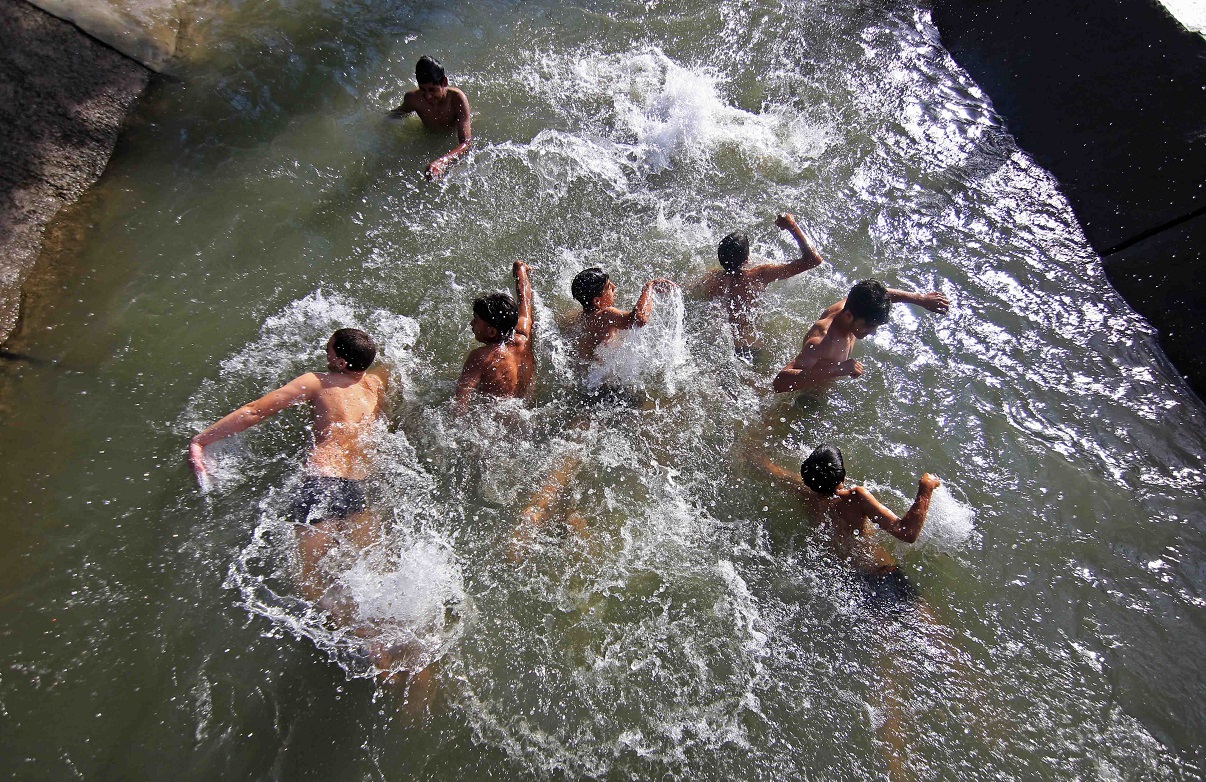
The summer of 2026 has brought one of the earliest and most intense heat spells in recent years, with temperatures climbing far above the seasonal average. What was once considered an exceptional weather event is increasingly becoming a recurring phenomenon, raising fresh concerns among scientists, farmers, healthcare professionals and policymakers.
The soaring temperatures have not only disrupted daily life but have also exposed weaknesses in Kashmir’s electricity infrastructure, strained water resources and increased worries over the long-term impact of climate change on the region’s fragile Himalayan ecosystem.
Kashmir Records Unusual June Heat
The latest heat spell has pushed temperatures across several parts of Kashmir well beyond what residents typically experience in June.
Srinagar, which usually records daytime temperatures between 26°C and 28°C during this period, has witnessed mercury levels rising above 33°C and even touching 34°C on some days. Such temperatures are significantly above the long-term average and have made daytime conditions uncomfortable across the Valley.
The heat has not remained confined to the summer capital.
Districts including:
- Anantnag
- Baramulla
- Kupwara
- Budgam
- Pulwama
- Shopian
have also reported unusually warm days accompanied by dry winds that further intensified heat stress.
Unlike the traditional Kashmir summer, where afternoon showers often help cool the atmosphere, this season has seen prolonged dry conditions with limited rainfall, allowing temperatures to remain elevated for longer periods.
Dry Winds Add to the Discomfort
Meteorologists point out that dry northwesterly winds have contributed significantly to the present weather conditions.
Normally, moisture from western disturbances and local weather systems helps regulate daytime temperatures across Kashmir. However, weaker weather systems combined with delayed rainfall have reduced cloud cover, allowing stronger solar heating during the day.
The result has been:
- Hot afternoons
- Warm evenings
- Reduced nighttime cooling
- Increased heat stress even inside homes
Many residents say that sleeping without fans has become increasingly difficult—something rarely associated with Kashmir’s summers.
Power Cuts Compound the Crisis
The heatwave has once again highlighted the Valley’s ongoing electricity challenges.
Although Jammu and Kashmir is often described as being power-surplus because of its significant hydropower generation capacity, consumers across urban and rural areas have reported frequent unscheduled power outages during the hottest hours of the day.
The interruptions have affected:
- Household cooling appliances
- Drinking water pumping systems
- Small businesses
- Hospitals and healthcare facilities
- Educational institutions
For families already coping with unusually high temperatures, repeated electricity cuts have made indoor conditions particularly uncomfortable.
Energy experts argue that while the region generates substantial electricity, transmission bottlenecks, maintenance issues, rising summer demand and dependence on external power purchases during peak periods continue to affect reliable supply.
Tourism Industry Faces an Unexpected Challenge
Kashmir’s tourism sector, which has enjoyed a strong recovery in recent years, has also felt the impact of the unusual weather.
Popular destinations such as:
- Gulmarg
- Pahalgam
- Sonamarg
- Yusmarg
are traditionally promoted as cool summer escapes.
However, many visitors arriving during June encountered warmer-than-expected weather conditions, forcing changes to sightseeing schedules and outdoor activities.
Several tourists shifted trekking, pony rides and sightseeing to early morning and evening hours while avoiding prolonged afternoon exposure.
Although tourism continues, travel operators say visitors increasingly seek updated weather information before planning outdoor excursions.
Climate Change Is Altering Kashmir’s Seasonal Rhythm
Scientists have repeatedly warned that the Himalayan region is among the most climate-sensitive areas in the world.
Kashmir’s changing weather patterns increasingly reflect broader climate trends that include:
Rising Average Temperatures
Long-term observations indicate gradual warming across the western Himalayas, resulting in hotter summers and milder winters.
Declining Snowfall
Many areas have experienced reduced snowfall during winter, affecting glaciers and seasonal water availability.
Erratic Rainfall
Instead of evenly distributed rainfall, Kashmir is increasingly witnessing prolonged dry spells followed by short periods of intense precipitation.
More Frequent Extreme Weather
Heatwaves, cloudbursts, flash floods and changing snowfall patterns are becoming more common, making weather increasingly unpredictable.
Environmental experts caution that these changes threaten the ecological balance of the Himalayan region, where even small temperature increases can have significant consequences.
Agriculture Under Growing Pressure
Agriculture remains one of Kashmir’s economic lifelines, making changing weather patterns a major concern.
Apple Orchards Face Heat Stress
Apple cultivation contributes substantially to the Valley’s economy.
Higher temperatures during critical growth stages can lead to:
- Reduced fruit quality
- Smaller fruit size
- Increased irrigation requirements
- Greater pest activity
- Lower productivity if heat persists
Farmers are closely monitoring orchards while increasing irrigation wherever possible.
Saffron Cultivation May Also Be Affected
The saffron fields of Pampore depend on specific seasonal weather conditions.
Although saffron flowering occurs later in the year, prolonged changes in temperature and moisture levels can influence soil conditions and future crop productivity.
Agricultural experts say consistent climatic instability poses long-term risks for one of Kashmir’s most valuable traditional crops.
Health Risks Rise Across the Valley
Doctors have advised residents to take extra precautions as temperatures remain above normal.
Common health concerns include:
Dehydration
High temperatures increase fluid loss, particularly among outdoor workers, elderly people and children.
Heat Exhaustion
Prolonged exposure to sunlight may cause fatigue, dizziness, headaches and weakness.
Heatstroke
In severe cases, excessive body heat can become life-threatening without prompt medical attention.
Water Stress
Some rural areas are experiencing increased pressure on local water sources due to higher consumption and reduced rainfall.
Health authorities recommend drinking adequate water, avoiding unnecessary outdoor activities during afternoon hours and wearing light-coloured clothing.
Environmental Impact Extends Beyond Human Health
The effects of prolonged heat are visible across Kashmir’s broader ecosystem.
Environmentalists warn that warmer summers may contribute to:
- Faster glacier melt
- Reduced stream flow during late summer
- Increased forest fire risk
- Soil moisture loss
- Declining biodiversity in sensitive mountain habitats
These environmental changes have implications not only for Kashmir but also for downstream river systems that support millions of people across northern India and Pakistan.
Kashmir’s Changing Climate: Then and Now
| Weather Pattern | Earlier June Average | Summer 2026 | Future Risk |
|---|---|---|---|
| Daytime Temperature | 26–28°C | 33–35°C | 38°C or higher during extreme events |
| Rainfall | Regular afternoon showers | Delayed and erratic | Longer dry spells |
| Power Supply | Comparatively stable | Frequent unscheduled outages | Higher demand may increase grid pressure |
| Water Availability | Comfortable | Increasing local stress | Greater seasonal shortages |
What Residents and Tourists Should Do
Authorities and health experts recommend several preventive measures to minimise the impact of the ongoing heat spell.
Stay Hydrated
Drink sufficient water throughout the day, even if you do not feel thirsty.
Avoid Peak Afternoon Heat
Limit outdoor activities between 12 PM and 4 PM, when temperatures are at their highest.
Farmers Should Monitor Irrigation
Timely watering of orchards and agricultural fields can help reduce crop stress during prolonged dry conditions.
Check Weather Forecasts
Tourists planning trekking, sightseeing or mountain travel should regularly monitor weather updates before departure.
Protect Vulnerable Groups
Children, senior citizens and individuals with existing health conditions should avoid prolonged exposure to direct sunlight.
Looking Ahead
While short-term fluctuations are a normal part of weather, experts believe the increasing frequency of intense summer heat in Kashmir reflects a broader climatic transition affecting the Himalayan region.
The Valley’s first major heatwave of 2026 serves as a reminder that climate change is no longer a distant environmental concern—it is increasingly influencing daily life, agriculture, tourism, public health and essential infrastructure.
As Kashmir adapts to a changing climate, strengthening weather forecasting, modernising power infrastructure, improving water management and promoting climate-resilient agriculture will become critical to protecting both livelihoods and the region’s unique ecological heritage.
The cool summers that once defined Kashmir may not disappear entirely, but the growing intensity and frequency of extreme heat events suggest that the Valley’s climate is entering a new and more uncertain chapter.