Kashmir Mutton Shortage Crisis: Omar Abdullah’s Punjab Appeal Over Livestock Supply Disruption Explained
By: Javid Amin | 29 June 2026
Kashmir’s Mutton Crisis: How a Highway Dispute Turned Into a Valley-Wide Supply Shock
A commodity deeply connected with Kashmir’s culture, celebrations and daily life has suddenly become a symbol of a growing economic and administrative dispute.
Across markets in the Kashmir Valley, mutton shops have witnessed empty counters, disrupted supplies and rising consumer anxiety after livestock movement from outside Jammu and Kashmir was affected by a dispute involving transport charges and alleged harassment of traders in Punjab.
The crisis has now reached the political level, with Jammu and Kashmir Chief Minister Omar Abdullah stepping in and seeking intervention from Punjab Chief Minister Bhagwant Mann.
The issue is no longer limited to traders. It has become a larger debate around food supply security, interstate coordination, transportation costs and Kashmir’s dependence on external livestock markets.
What Triggered the Kashmir Mutton Shortage?
Livestock Supply Chain Disrupted
The immediate reason behind the shortage is a disruption in the movement of sheep and goats coming into Jammu and Kashmir.
According to reports, mutton dealers and livestock transporters complained that vehicles carrying animals through Punjab were facing delays, additional charges and difficulties at checkpoints. Following these concerns, the Kashmir Mutton Dealers Association (KMDA) suspended fresh livestock imports, leading to a sharp decline in supply across markets.
Traders argue that many vehicles are only passing through Punjab as a transit route while carrying livestock purchased from other states. They maintain that additional charges during transit have increased costs and made transportation financially difficult.
Empty Shops, Rising Prices and Consumer Anger
For ordinary families, the impact has been immediate.
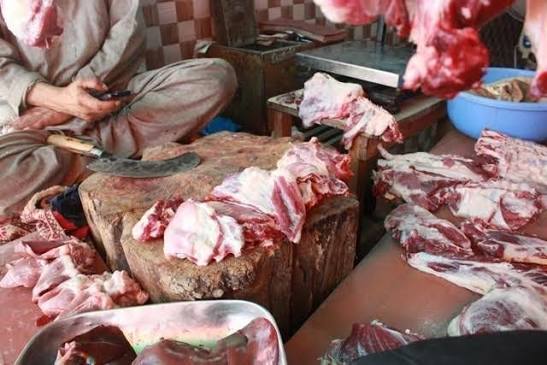
Butchers in Srinagar and other parts of the Valley reported reduced availability, while customers faced uncertainty over prices and supply.
Mutton is not just another food item in Kashmir. It occupies a central position in the region’s culinary identity. From everyday meals to traditional gatherings, weddings and the famous Kashmiri Wazwan cuisine, meat consumption has deep social and cultural importance.
A prolonged shortage could affect:
- Household budgets due to rising prices
- Wedding and event arrangements
- Restaurants and catering businesses
- Thousands of traders involved in the supply chain
The shortage has therefore quickly moved from a market issue to a public concern.
Omar Abdullah Calls Punjab Action “Unjustified”
Chief Minister Omar Abdullah has criticised the difficulties faced by J&K mutton dealers in Punjab, describing the action against transporters as unfair.
He said Kashmir’s traders are using Punjab mainly as a transit route and questioned why they should face additional burdens while transporting livestock with valid documents.
In his communication with the Punjab government, Omar sought steps to ensure smooth movement of livestock vehicles and prevent what his administration described as unauthorised fee collection.
The Chief Minister has indicated that if the matter remains unresolved, it could be taken up at a broader inter-state platform.
Why Kashmir Depends on Outside Mutton Supply
Local Production Gap
One of the biggest reasons the crisis has become serious is Kashmir’s dependence on imported livestock.
The Valley’s demand for mutton has traditionally exceeded local production capacity, forcing traders to source animals from outside markets.
This dependence creates vulnerability: any disruption in transportation immediately affects availability inside Kashmir.
The current situation has highlighted a larger economic challenge — ensuring stable food supply while reducing excessive dependence on external markets.
Economic Impact: Traders Fear Bigger Losses
The mutton trade supports a large network involving:
- Livestock farmers
- Transporters
- Wholesale dealers
- Retail butchers
- Restaurants and caterers
When supply stops, losses travel through the entire chain.
Traders say prolonged disruption could increase transportation expenses, damage livestock businesses and create uncertainty for thousands connected with the sector.
For consumers, the concern is affordability. If supply remains restricted, market prices may continue moving upward.
The Cultural Dimension: Why Mutton Matters So Much in Kashmir
Food in Kashmir is closely linked with identity and tradition.
Mutton is an essential part of Kashmiri hospitality, especially during:
- Weddings
- Religious gatherings
- Family celebrations
- Traditional feasts
The shortage has therefore created emotional frustration beyond economic inconvenience.
For many Kashmiris, the disappearance of mutton from markets represents a disruption of a familiar social routine.
Interstate Coordination Challenge
The controversy also raises questions about how states and Union Territories coordinate movement of essential commodities.
Transport networks often cross multiple jurisdictions. When disputes emerge over fees, permits or regulations, the final impact is felt by consumers far away from the point of conflict.
The Kashmir mutton crisis shows how a regional transportation issue can quickly become a public-interest matter.
What Happens Next?
The immediate focus remains on resolving the dispute between traders and authorities so that livestock movement resumes.
Key questions include:
- Will Punjab review the charges being contested by traders?
- How quickly will supply return to Kashmir markets?
- Can long-term measures reduce Kashmir’s dependence on outside livestock?
For now, consumers are watching the situation closely, while traders hope for a solution before the disruption causes deeper economic damage.
Kashmir Mutton Crisis: Quick Facts
| Factor | Details | Impact |
|---|---|---|
| Supply Issue | Livestock movement disrupted through Punjab | Mutton availability affected |
| Traders’ Complaint | Alleged extra charges and delays | Transport halted |
| Government Response | Omar Abdullah seeks Punjab intervention | Political pressure increases |
| Market Situation | Shops report shortage | Consumers face uncertainty |
| Cultural Impact | Mutton linked with Kashmiri traditions | Public concern rises |