Kashmir Mutton Crisis Deepens Again: Truckers Allege Assault, Extortion Despite Punjab–J&K Talks
By: News Desk | 05 July 2026
Kashmir’s Mutton Supply Crisis Returns as Truckers Allege Assault and Extortion on Transit Route
Just days after hopes of normalcy returned to Kashmir’s meat markets, the Valley’s mutton supply chain has suffered another setback. Livestock transporters have alleged that they were assaulted, threatened and forced to pay illegal levies while transporting animals through Punjab, disrupting supplies once again despite recent assurances from authorities.
The fresh allegations have reignited concerns over Kashmir’s dependence on interstate livestock transport. Several consignments reportedly failed to reach Srinagar and other markets, leading to renewed shortages, rising prices and anxiety among traders, butchers and consumers.
The latest episode suggests that while high-level discussions may have produced commitments, challenges remain in implementing those assurances on the ground.
Truckers Allege Assault, Harassment and Illegal Demands
According to livestock transporters, trucks carrying sheep and goats to Jammu and Kashmir were stopped during transit and their crews allegedly faced intimidation, physical assault and demands for unauthorised payments.
Truckers claim these incidents occurred despite earlier assurances that livestock vehicles would be allowed to move without unnecessary interference following discussions between officials from Punjab and Jammu and Kashmir.
These allegations have not been independently verified by this publication, and authorities in Punjab have not publicly responded to each specific claim. However, the complaints have prompted renewed concern among livestock traders, who say fear among transporters is again affecting the movement of animals into the Valley.
Fresh Supply Disruptions Hit Srinagar and Other Markets
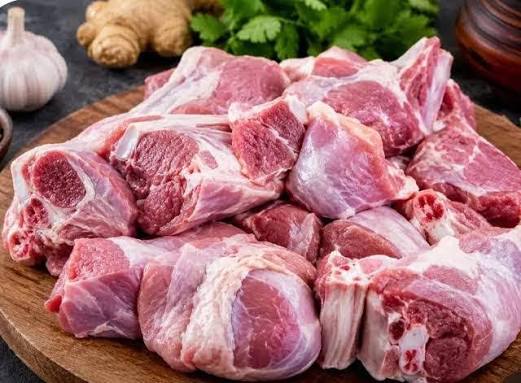
The immediate consequence has been another interruption in the supply of mutton.
Several livestock consignments reportedly failed to reach wholesale markets, reducing the availability of fresh meat across Srinagar and other districts.
Retail butchers say they are once again facing:
- Reduced livestock arrivals.
- Empty or limited stock.
- Difficulty meeting consumer demand.
- Rising wholesale procurement costs.
If the disruptions continue, market observers expect retail prices to remain under pressure due to constrained supply.
Punjab–J&K Talks Raised Hope, but Traders Cite Enforcement Gaps
The latest disruption comes shortly after discussions between officials from Punjab and Jammu and Kashmir aimed at resolving issues affecting livestock transport.
Those talks had raised expectations that truck movement would return to normal and that transporters would no longer face delays or disputes while crossing Punjab.
However, traders argue that while policy-level assurances were welcomed, their implementation has been inconsistent. They say the latest incidents expose a gap between administrative decisions and conditions experienced by transporters on the highways.
The recurrence of the problem has renewed calls for stronger coordination between both governments to ensure that agreed measures are enforced at every level.
Third Major Disruption in Two Weeks Highlights Supply Chain Vulnerability
The current episode marks the third significant disruption in roughly two weeks, underlining how vulnerable Kashmir’s meat supply remains.
The Valley depends heavily on livestock sourced from outside Jammu and Kashmir, with Punjab serving as a key transit corridor for trucks transporting animals from northern Indian markets.
Because local production meets only a portion of consumer demand, even short interruptions in interstate transport quickly translate into shortages at retail outlets.
The repeated disruptions have highlighted the need for a more resilient supply chain capable of withstanding administrative or logistical challenges.
Traders Warn of Heavy Economic Losses
The livestock trade supports a broad network of economic activity, including transport operators, wholesalers, retailers and catering businesses.
Traders say repeated interruptions are increasing operational costs and creating uncertainty throughout the sector.
Potential consequences include:
- Financial losses for livestock dealers.
- Higher transportation expenses.
- Reduced earnings for butchers.
- Lower business activity in restaurants and catering services.
- Continued price pressure for consumers.
Industry representatives warn that prolonged instability could discourage transporters from accepting livestock consignments, further affecting the availability of mutton in Kashmir.
Consumers Feel the Pressure as Prices Rise Again
For households, the renewed disruption means another period of uncertainty.
Mutton is one of the most widely consumed meats in Kashmir and forms an important part of everyday meals as well as special occasions.
Reduced supplies have once again placed upward pressure on prices, forcing many families to either pay more or postpone purchases until the market stabilises.
Consumer groups have urged authorities to ensure that supply routes remain open so that essential food items are not repeatedly affected by transport disputes.
Wazwan and the Wedding Season Face Renewed Challenges
The impact extends beyond household kitchens.
Traditional Wazwan, the signature multi-course Kashmiri feast served at weddings and social gatherings, depends heavily on a steady supply of quality mutton.
With fresh disruptions affecting availability, caterers and event organisers may once again face:
- Procurement delays.
- Increased catering costs.
- Difficulty securing sufficient quantities of meat.
- Uncertainty while planning large events.
For many families, the shortage affects not only budgets but also long-standing cultural traditions associated with celebrations.
Political Focus Intensifies
The recurring crisis has also taken on a political dimension.
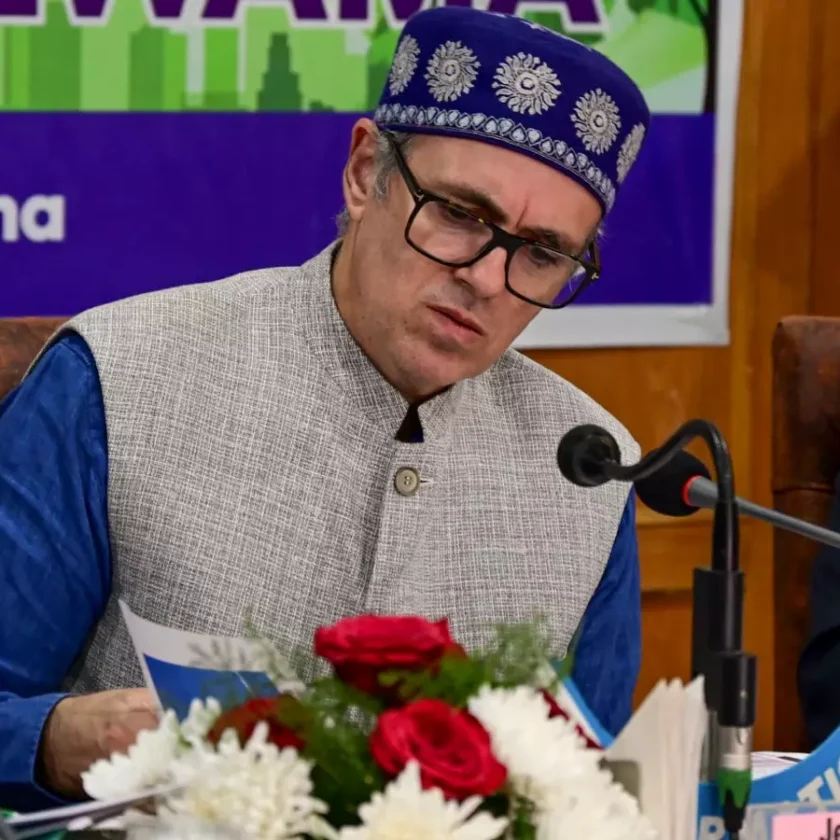
Leaders in Jammu and Kashmir have expressed concern over reports of continued difficulties faced by livestock transporters and have called for effective implementation of the commitments made during recent inter-state discussions.
The issue has broadened into a debate over:
- Interstate coordination.
- Protection of transporters.
- Food supply security.
- Accountability in enforcing administrative decisions.
As the disruptions continue, pressure is likely to increase on both governments to ensure that livestock movement remains uninterrupted.
Kashmir Mutton Crisis: Latest Snapshot
| Factor | Details | Impact |
|---|---|---|
| Truckers’ Allegations | Alleged assault, extortion and harassment during transit | Livestock movement disrupted |
| Punjab–J&K Talks | Assurances of smooth transportation | Traders allege implementation gaps |
| Market Situation | Fresh shortages reported | Prices rising again |
| Economic Impact | Traders and transporters affected | Crores in potential losses |
| Cultural Impact | Wazwan and wedding catering under pressure | Public concern grows |
Outlook
The renewed disruption shows that resolving Kashmir’s mutton supply crisis requires more than policy announcements. While recent talks between Punjab and Jammu and Kashmir created optimism, transporters’ latest allegations indicate that consistent implementation on the ground remains the key challenge.
For consumers, the immediate concern is the return of regular supplies and stable prices. For traders, it is ensuring safe and predictable movement of livestock. In the longer term, the episode has reinforced the need for stronger interstate coordination, transparent enforcement mechanisms and a more resilient supply chain so that recurring disruptions do not continue to affect livelihoods, markets and Kashmir’s culinary traditions.