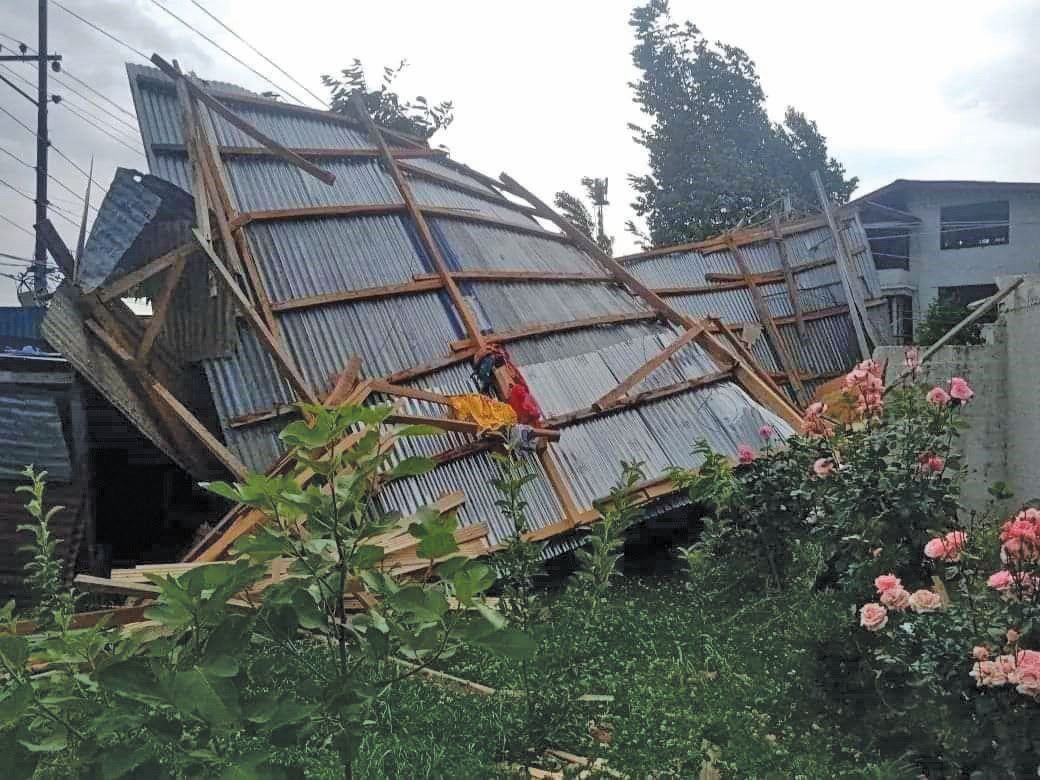
Kashmir Weather Update: Strong Winds & Hailstorms Damage Orchards in Baramulla, Kulgam | Advisory Issued
By: Javid Amin | 02 May 2026
Sudden Weather Shift Disrupts Life Across Kashmir
A spell of strong winds, hailstorms, and erratic rainfall has disrupted normal life across the Kashmir Valley, particularly in Baramulla, Kupwara, and Kulgam.
With wind speeds reaching 40–60 km/h between May 2 and May 5, the sudden weather shift has not only impacted daily life but also triggered serious concerns for the region’s agriculture-dependent economy.
Ground Impact: Hailstorms & Winds Ravage Crops
شمال & North Kashmir (Baramulla, Kupwara)
- Intense winds and hailstorms damaged apple orchards at a critical flowering stage
- Tender blossoms and early fruit knocked off trees
- Orchard owners fear significant yield loss this season
South Kashmir (Kulgam – Kund Area)
- A severe hailstorm struck Kund locality in Kulgam
- Standing crops flattened; vegetable fields shredded
- Farmers report extensive damage with uncertain recovery prospects
Central Kashmir (Srinagar)
- Srinagar recorded cloudy skies with intermittent rain
- Maximum temperature touched 26.0°C (3.3°C above normal)
Hill Regions (Gulmarg)
- Gulmarg remained cooler at 17.2°C, with scattered showers
Traffic & Infrastructure Disruptions
- A landslide at Gatsoo near Pul Doda blocked the Doda–Kishtwar road
- Traffic movement suspended, leaving commuters stranded
- Authorities are working to clear debris, but delays are expected
Official Advisories: What Authorities Are Saying
Authorities have issued precautionary advisories for residents, farmers, and travelers:
For Residents
- Avoid weak structures, rooftops, and loose installations
- Stay away from electric poles and overhead wires during gusty winds
For Farmers
- Suspend all agricultural activities between May 3–5
- Clear hail deposits gently to avoid bark damage
- Drain excess water to prevent root suffocation
- Apply protective fungicides after weather stabilizes
For Travelers
- Avoid non-essential travel during peak weather hours
- Expect highway delays due to landslides and poor visibility
Weather Forecast Outlook
| Date Range | Expected Conditions | Advisory |
|---|---|---|
| May 3–5 | Rain, thunderstorms, hailstorms, gusty winds (40–60 km/h) | Avoid outdoor exposure, suspend farming |
| May 6–9 | Gradual improvement; mostly dry with brief showers | Resume activities cautiously |
| May 10 onwards | Largely dry, mild conditions | Normal routine likely |
कृषि पर असर: A Critical Blow to Kashmir’s Economy
The timing of this weather event could not have been worse.
Apple Orchards at Risk
- Blossoms damaged at a make-or-break growth stage
- Potential decline in fruit setting and overall yield
Standing Crops
- Hail impact and waterlogging threaten crop survival
- Increased risk of fungal infections due to moisture
Economic Fallout
- Farmers in Kulgam’s Kund area fear season-long income loss
- Lack of immediate compensation mechanisms adds to distress
Experts, including advisories aligned with Sher-e-Kashmir University of Agricultural Sciences and Technology of Kashmir, recommend urgent mitigation steps to minimize long-term damage.
Bigger Picture: Climate Volatility in Kashmir
This is not an isolated weather event. Increasing instances of:
- Untimely hailstorms
- Sudden temperature spikes
- Erratic rainfall patterns
point toward a growing trend of climate instability in the region—directly impacting agriculture and livelihoods.
Final Takeaway: Short-Term Disruption, Long-Term Warning
While the current weather spell is expected to ease after May 6, its impact—especially on orchards—could linger throughout the season.
For Kashmir’s farmers, this is more than a temporary setback. It’s a warning signal.
Preparedness, climate-resilient farming practices, and institutional support will be crucial to safeguard the Valley’s agricultural backbone in the face of increasing weather unpredictability.