Mirwaiz’s Humanitarian Appeal for Engineer Rashid: Politics, Law, and a Family’s Final Wish
By: Javid Amin | 16 April 2026
A Plea Rooted in Compassion
In a deeply emotional and politically sensitive development, Mirwaiz Umar Farooq has urged the central government to allow jailed Member of Parliament Sheikh Abdul Rashid—popularly known as Engineer Rashid—to meet his critically ill father in Srinagar.
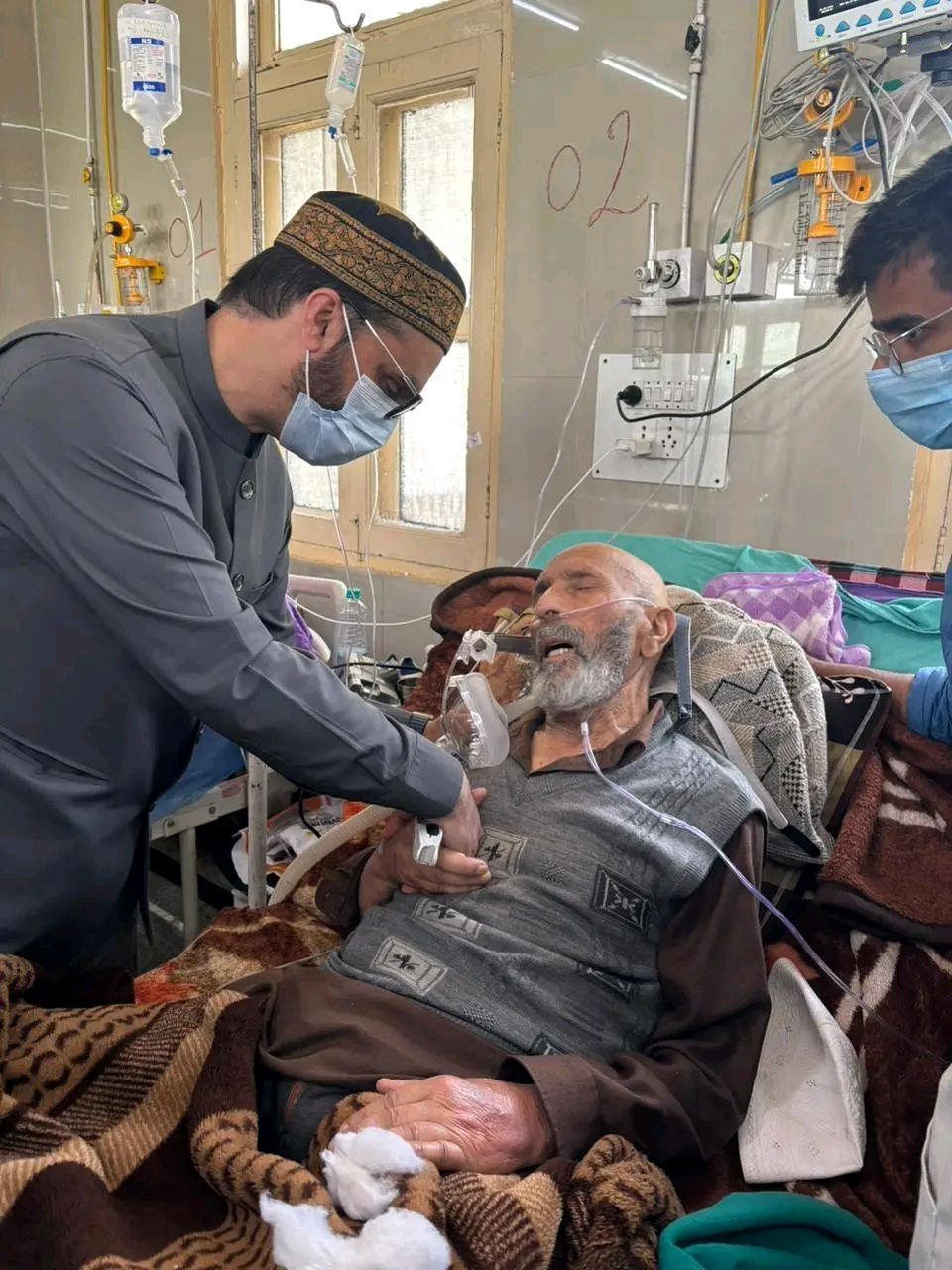
Rashid, who has been lodged in Tihar Jail since 2019 under the Unlawful Activities (Prevention) Act, is currently unable to visit his father, Khazir Mohammad Sheikh, who is battling for life at SMHS Hospital.
Mirwaiz described the situation as possibly the last chance for a father and son to meet, framing the appeal as a matter of humanity rather than politics.
The Unusual Case of a Jailed MP
Engineer Rashid’s case is unprecedented in many ways. Despite being in prison, he was elected as a Member of Parliament from the Baramulla constituency—highlighting both his political relevance and the symbolic weight of his candidacy.
His continued incarceration under UAPA has turned his case into a focal point in debates around:
- Political representation
- Legal due process
- Rights of detainees in conflict regions
What Mirwaiz Said: “Humanity Must Prevail”
Mirwaiz Umar Farooq, Kashmir’s chief cleric, emphasized that such moments transcend political divisions.
He pointed to the emotional toll on families of detainees, calling it part of a broader, often overlooked reality across Jammu & Kashmir and beyond. His appeal adds religious, moral, and social weight to the demand for temporary relief.
This is not the first time humanitarian grounds have been invoked in similar cases, but the combination of an elected MP, a critical medical emergency, and strong public sentiment makes this instance particularly significant.
Ground Reality: A Family Waiting in Srinagar
At SMHS Hospital, Rashid’s father remains in critical condition, with family members hoping for a final reunion.
Local sentiment in Kashmir reflects a mix of:
- Sympathy for the family
- Political solidarity with Rashid
- Renewed debate over detainee rights
For many, the issue is no longer just legal—it is deeply personal.
Timeline: Engineer Rashid’s Political Career and Legal Case
Early Political Emergence (Pre-2014)
- Sheikh Abdul Rashid, a former engineer, enters politics with a strong grassroots focus in north Kashmir.
- Builds his image as an outspoken and independent voice on local issues.
2014 – Electoral Breakthrough
- Elected as MLA from Langate constituency in Jammu & Kashmir विधानसभा.
- Gains prominence for his unconventional style and vocal criticism of mainstream and separatist politics alike.
2014–2018 – Rising Political Visibility
- Positions himself as a people-centric नेता, often raising issues of human rights, governance, and conflict-related grievances.
- Develops a dedicated support base, especially in Kupwara and Handwara regions.
2019 – Arrest Under UAPA
- Arrested by the National Investigation Agency in connection with a terror funding case.
- Booked under the Unlawful Activities (Prevention) Act.
- Lodged in Tihar Jail, where he remains since.
2019–2023 – Continued Incarceration
- Legal proceedings continue; bail applications face challenges due to stringent UAPA provisions.
- Rashid’s case becomes part of wider discourse on detention laws in Kashmir.
2024 – Electoral Upset from Jail
- Contests Lok Sabha elections from Baramulla while still in custody.
- Wins the seat, marking a rare and symbolic electoral victory for an incarcerated नेता.
2025–2026 – Humanitarian Appeal Phase
- With his father critically ill, appeals intensify for temporary release or parole.
- Mirwaiz Umar Farooq publicly urges the Centre to intervene on humanitarian grounds.
Legal and Political Complexity
Granting parole or interim bail in UAPA cases is legally challenging. The law imposes strict conditions, making temporary release rare and subject to judicial scrutiny.
However, Indian courts have, in select cases, considered:
- Medical emergencies of close relatives
- Last rites or final visits
- Humanitarian considerations
The decision in Rashid’s case could therefore carry legal as well as political implications.
A Larger Debate: Political Prisoners and Humanitarian Rights
Rashid’s situation feeds into a broader and often polarizing debate:
- Are detainees in conflict regions treated differently?
- Should humanitarian grounds override strict legal frameworks in exceptional cases?
- What rights do elected representatives retain while incarcerated?
Mirwaiz’s intervention brings these questions into sharper focus, especially in the context of Kashmir.
Public Sentiment and Symbolism
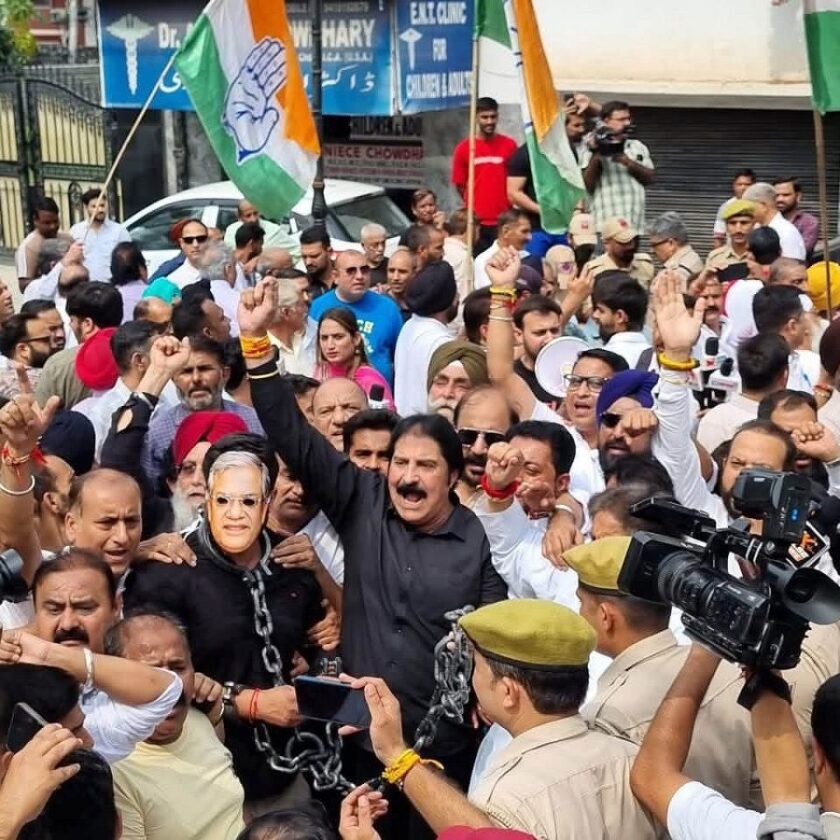
Rashid’s electoral victory while in jail has already made him a symbolic figure in Kashmir’s political landscape.
This latest episode adds another layer:
- A नेता unable to perform family duties
- A father waiting for his son
- A public watching closely
The emotional resonance of this moment is likely to shape public discourse in the Valley.
What Happens Next?
The path forward depends on:
- Court decisions regarding interim bail or parole
- The Centre’s stance on humanitarian appeals
- Medical updates regarding Rashid’s father
If permission is granted, it could set a precedent for similar humanitarian cases. If denied, it may intensify political and public debate.
Conclusion: Between Law and Humanity
The case of Engineer Rashid sits at the intersection of law, politics, and human emotion.
While legal frameworks provide structure, moments like these test the system’s capacity for compassion. Whether authorities choose to allow a final meeting between father and son will not only affect one family—but could also signal how India balances justice with humanity in sensitive regions like Kashmir.