When Discounts Become Destinations: How Surat Khazana’s Mega Sale Turned Goni Khan Market into Srinagar’s Biggest Shopping Hotspot
By: News Desk | 15 July 2026
A Retail Event That Captured Srinagar’s Attention
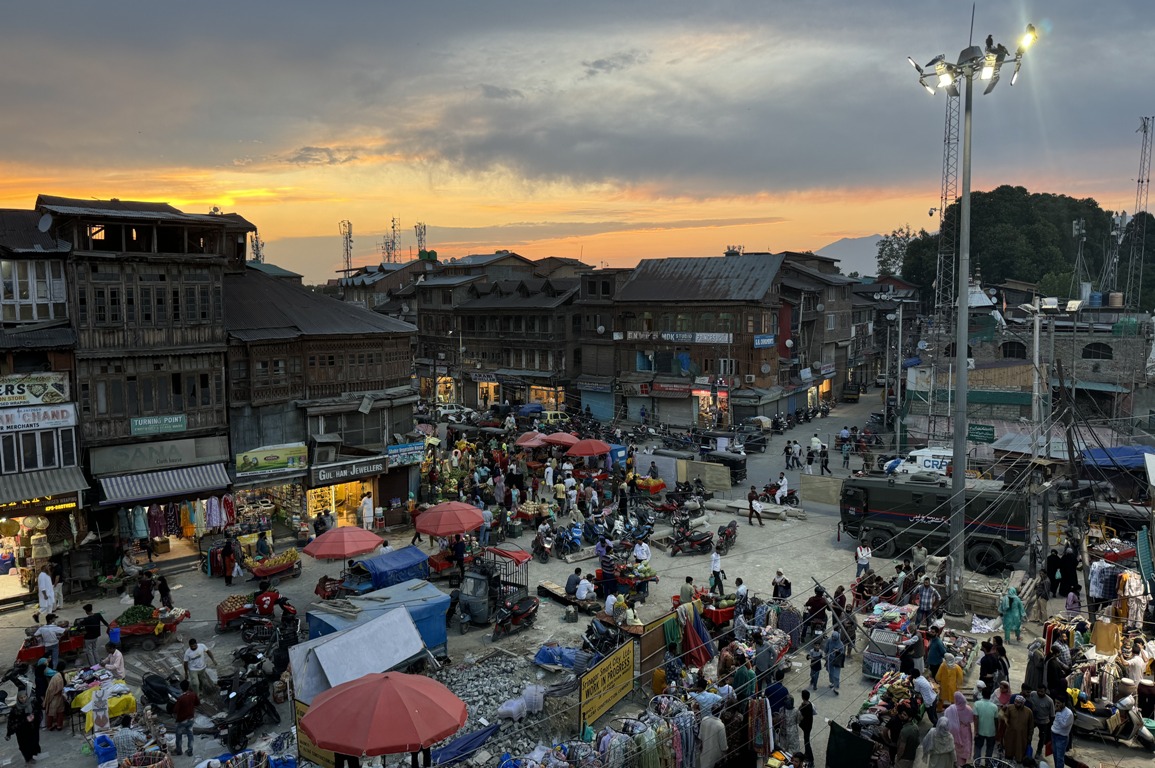
What began as a promotional discount campaign quickly evolved into one of Srinagar’s most talked-about retail events. Thousands of shoppers flocked to Goni Khan Market after well-known clothing retailer Surat Khazana announced substantial discounts on women’s apparel, creating scenes rarely witnessed in the city’s retail landscape.
Within hours, the market witnessed packed streets, long queues, crowded storefronts and a festive atmosphere as families, young shoppers and bargain hunters rushed to take advantage of limited-time offers.
While discount sales are common across India, the sheer scale of public response in Srinagar demonstrated how powerful pricing strategies, consumer emotions and digital communication have become in shaping modern shopping behaviour.
The event has now become more than just a successful sale—it offers valuable insights into Kashmir’s evolving retail economy and changing consumer preferences.
The Sale That Sparked a Shopping Frenzy
At the heart of the phenomenon was a simple promise: quality fashion at significantly reduced prices.
Surat Khazana introduced heavy markdowns across several women’s clothing collections, making products accessible to customers who might otherwise postpone discretionary purchases.
For many households in Kashmir, where inflation and rising living costs continue to influence spending habits, such discounts represented genuine purchasing opportunities rather than impulsive shopping.
Consumers viewed the sale as a chance to stretch household budgets without compromising on quality.
This practical value proposition proved to be the strongest driver behind the extraordinary turnout.
Why Discounts Matter More Than Ever
Across India, retailers increasingly rely on promotional pricing to stimulate demand during periods of cautious consumer spending.
Economic pressures—including inflation, higher household expenses and changing consumption priorities—have made shoppers considerably more price-sensitive.
In Kashmir, where many families carefully plan seasonal purchases around festivals, weddings and school schedules, substantial discounts carry even greater significance.
Rather than encouraging unnecessary spending, well-timed price reductions often enable consumers to buy products they had already intended to purchase at more affordable prices.
This explains why attractive offers can rapidly transform normal shopping days into large-scale retail events.
Consumer Psychology: The Hidden Force Behind the Crowd
Retail experts often explain shopping surges through three interconnected forces:
1. Incentive
Consumers respond strongly when they perceive exceptional value.
Deep discounts reduce the psychological barrier to spending and create a feeling of making a “smart purchase.”
Instead of asking whether they need an item, many begin asking whether they can afford to miss the opportunity.
2. Emotion
Shopping extends beyond financial transactions.
It also involves excitement, anticipation and social interaction.
Visitors at Goni Khan Market described an energetic atmosphere where families explored collections together, friends exchanged recommendations and customers celebrated finding unexpected bargains.
This emotional environment amplified the appeal of the event.
The fear of missing out (FOMO) encouraged even more people to visit before stocks ran out.
3. Information
The speed at which information travelled played an equally important role.
News of the discounts spread rapidly through:
- WhatsApp groups
- Instagram stories
- Facebook posts
- Local influencers
- Word-of-mouth recommendations
- Personal phone calls among relatives and friends
Within a short period, what started as a store promotion became a citywide conversation.
The combination of offline trust and online sharing dramatically accelerated customer turnout.
When Social Media Becomes the Best Advertisement
Unlike traditional advertising campaigns that take weeks to build momentum, today’s retail promotions can achieve widespread visibility within hours.
Customers themselves become marketers.
Photos of crowded stores, shopping bags and discounted purchases create social proof, encouraging others to visit.
This organic promotion often proves more persuasive than paid advertisements because recommendations from friends and family carry greater credibility.
The Goni Khan Market episode demonstrated how digital platforms now complement traditional word-of-mouth, multiplying the reach of local businesses.
A Boost for the Local Economy
Large shopping events create ripple effects beyond a single retailer.
The sudden increase in footfall benefited several businesses operating around Goni Khan Market.
These included:
- Small garment shops
- Footwear retailers
- Cosmetic stores
- Food vendors
- Tea stalls
- Street vendors
- Auto-rickshaw and taxi operators
- Parking services
Higher visitor numbers often translate into increased spending across neighbouring businesses, making successful retail events valuable for the broader local economy.
For urban commercial centres like Goni Khan Market, strong customer traffic strengthens the market’s reputation as a preferred shopping destination.
Managing Success: The Importance of Crowd Planning
While high customer turnout reflects commercial success, it also highlights the importance of effective crowd management.
Large gatherings can lead to:
- Traffic congestion
- Parking shortages
- Pedestrian bottlenecks
- Safety concerns
- Longer waiting times
- Pressure on nearby businesses and public infrastructure
Retailers anticipating exceptional demand can benefit from advance planning, including:
Better Queue Management
Dedicated entry and exit routes can reduce congestion.
Digital Token Systems
Timed shopping slots help distribute visitor flow.
Additional Staff
Extra employees improve customer service and checkout efficiency.
Security Coordination
Working with local authorities ensures safer crowd movement during peak shopping periods.
Proper planning enhances customer experience while maintaining public safety.
Changing Retail Trends in Kashmir
The Goni Khan Market shopping surge also reflects broader changes in Kashmir’s retail landscape.
Consumers today are:
- More digitally connected
- Better informed about offers
- More value-conscious
- Influenced by online reviews
- Comfortable making purchasing decisions based on social media recommendations
Retail competition is increasingly shifting from simply selling products to creating memorable shopping experiences.
Stores that combine competitive pricing with customer engagement and effective communication are likely to attract stronger customer loyalty.
Lessons for Local Businesses
The Surat Khazana sale provides several takeaways for retailers across Kashmir.
Competitive Pricing Still Works
Customers actively respond to genuine value.
Communication Is Critical
Promotions achieve greater impact when information spreads quickly through multiple channels.
Customer Experience Matters
A positive shopping atmosphere encourages repeat visits and strengthens brand reputation.
Digital Presence Is Essential
Businesses that effectively use WhatsApp, Instagram and Facebook can significantly expand their reach.
Planning Supports Growth
Successful promotions require operational preparedness to manage increased demand.
The Economics Behind a Successful Sale
From an economic perspective, the event illustrates how retail incentives can stimulate short-term consumer spending without relying on major structural changes.
Price reductions increase purchasing activity by lowering the perceived cost of buying, while social interaction and information sharing amplify participation.
This combination of affordability, excitement and visibility creates what economists describe as a positive demand shock—a sudden increase in consumer interest that can temporarily transform commercial activity in a local market.
For Srinagar, the episode highlights the growing sophistication of local retail, where consumer behaviour increasingly mirrors trends seen in larger metropolitan cities.
Conclusion: More Than a Discount, It Was a Retail Phenomenon
The remarkable response at Goni Khan Market demonstrates that successful retail is no longer driven by discounts alone.
The convergence of attractive pricing, emotional engagement and rapid information sharing transformed an ordinary promotional campaign into one of Srinagar’s most significant shopping events in recent months.
For businesses, it underscores the importance of understanding consumer psychology and leveraging digital communication. For shoppers, it reflects a growing preference for value-driven purchasing in an increasingly connected marketplace.
As Kashmir’s retail sector continues to evolve, the Goni Khan Market surge may well serve as a blueprint for future marketing campaigns—showing that when affordability, trust and timely communication come together, a store can become more than just a place to shop; it can become a destination.