Aga Ruhullah Mehdi Accuses BJP of Using ‘Money Power’ to Topple NC Government, Calls It an Attack on Democratic Mandate
By: Javid Amin | 14 July 2026
National Conference MP Backs Omar Abdullah’s Allegations as Political Confrontation Between NC and BJP Deepens
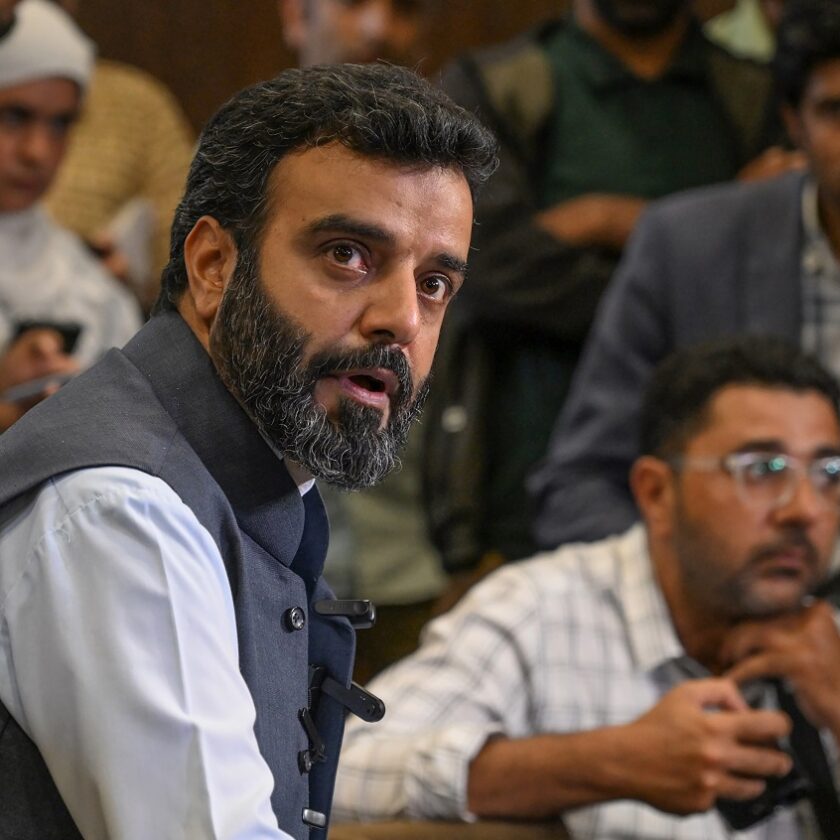
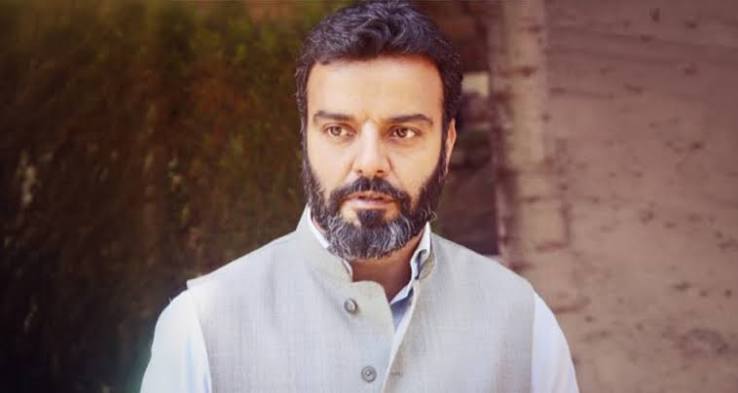
The political confrontation between the National Conference (NC) and the Bharatiya Janata Party (BJP) intensified on July 13, 2026, after National Conference MP Aga Ruhullah Mehdi accused the BJP of attempting to destabilize the elected government in Jammu and Kashmir through alleged horse-trading.
Ruhullah alleged that efforts were being made to “break the NC government with money”, claiming that offers of large sums of cash and ministerial positions were allegedly made to National Conference legislators in an attempt to engineer defections.
His remarks come shortly after Chief Minister Omar Abdullah alleged that BJP leaders had offered ₹20–30 crore, ministerial berths and even promises relating to the restoration of Jammu and Kashmir’s statehood to persuade NC MLAs to switch sides. The BJP has categorically denied those allegations and has since served Omar Abdullah with a ₹100 crore defamation notice, demanding a public retraction and apology.
Against that backdrop, Ruhullah’s statement further sharpens the political divide between the ruling National Conference and the BJP.
What Aga Ruhullah Mehdi Alleged
Addressing the ongoing political controversy, Aga Ruhullah Mehdi accused the BJP of attempting to overturn the people’s electoral verdict through financial inducements rather than democratic means.
According to the NC MP:
- Attempts are allegedly being made to lure NC legislators with money.
- Ministerial positions are reportedly being offered to encourage defections.
- Such actions amount to political horse-trading.
- Any attempt to alter the government’s majority through inducements would undermine the mandate given by voters.
Ruhullah argued that elected governments should rise or fall through constitutional and legislative processes rather than alleged financial incentives.
At the time of publication, no independent evidence has been publicly produced to substantiate these allegations, and the BJP has consistently denied similar claims.
Backing Omar Abdullah’s Stand
Ruhullah’s remarks broadly reinforce the position taken by Chief Minister Omar Abdullah.
Earlier, Omar alleged that:
- NC MLAs were offered ₹20–30 crore.
- Ministerial berths formed part of the alleged inducements.
- Promises regarding the restoration of Jammu and Kashmir’s statehood were also discussed.
The BJP rejected those allegations as “false, baseless and defamatory” and responded with legal action.
By publicly supporting Omar’s claims, Ruhullah has projected a united front within the National Conference at a time of heightened political confrontation.
BJP’s Position
The BJP has consistently denied allegations of attempting to poach National Conference legislators.
The party maintains that:
- Omar Abdullah’s allegations are entirely false.
- The accusations were made without supporting evidence.
- The statements have harmed the BJP’s reputation.
- Legal action is necessary to protect the party’s image.
The ₹100 crore defamation notice issued through legal counsel seeks:
- Withdrawal of the allegations.
- An unconditional public apology.
- A commitment not to repeat similar claims.
The party has warned of civil and criminal proceedings if its demands are not met.
Horse-Trading Allegations and Indian Politics
Claims of political horse-trading have surfaced in several Indian states over the past decade, particularly during periods of coalition politics or closely contested legislative majorities.
Such allegations often involve accusations that legislators are offered:
- Cash incentives.
- Ministerial portfolios.
- Political positions.
- Other inducements to switch party allegiance.
However, each allegation requires independent verification, and courts or investigative agencies typically rely on documentary evidence or witness testimony before drawing legal conclusions.
In the present case, no official investigation has confirmed the allegations made by National Conference leaders.
Political Significance
Protecting the Democratic Mandate
Ruhullah framed the controversy as one concerning democratic principles rather than partisan politics.
His argument is that if elected representatives are persuaded to defect through financial or political inducements, it weakens the trust placed in the electoral process by voters.
This framing allows the National Conference to present the issue as one of democratic accountability rather than simply a dispute between rival parties.
Strengthening the NC’s Political Narrative
The National Conference has consistently argued that attempts are being made to weaken the elected government through political pressure.
Ruhullah’s intervention reinforces that narrative by suggesting that the alleged strategy extends beyond routine political competition.
His remarks also signal unity within the party following earlier reports of internal differences on other political issues.
The Statehood Debate
Although Ruhullah’s comments primarily focused on alleged horse-trading, the controversy continues to intersect with the broader demand for the restoration of Jammu and Kashmir’s statehood.
The National Conference has repeatedly described statehood as one of its principal political objectives, while the Union Government has maintained that restoration will take place at an appropriate time.
The issue therefore remains central to the wider political discourse in the Union Territory.
Public and Political Reactions
The exchange has generated strong political reactions across Jammu and Kashmir.
Supporters of the National Conference argue that allegations of political inducements, if proven, would represent a serious challenge to democratic governance.
The BJP and its supporters, meanwhile, maintain that the allegations are politically motivated and intended to divert attention from governance issues while damaging the party’s reputation.
As the dispute continues, public opinion is likely to remain divided until additional evidence or official findings emerge.
Challenges Ahead
Legal Consequences
Given the BJP’s decision to pursue legal remedies against Omar Abdullah, similar allegations repeated by other leaders could invite further legal responses if the party believes its reputation has been harmed.
Political Polarisation
The controversy has widened the divide between the National Conference and the BJP, with both parties accusing each other of undermining democratic values.
This increasingly confrontational environment may influence legislative debates, public campaigns and political mobilisation in the months ahead.
Governance and Stability
Persistent allegations of attempted defections can affect perceptions of political stability, even when no legislator actually changes party affiliation.
For the ruling government, maintaining unity within its legislative ranks will remain politically important.
Political Analysis: A Battle Over Narrative and Legitimacy
Aga Ruhullah Mehdi’s intervention demonstrates that the National Conference is attempting to frame the controversy as a defence of democratic legitimacy rather than merely a political disagreement.
The BJP, by contrast, has chosen to counter the allegations through legal channels while insisting that the accusations lack factual basis.
The dispute has therefore evolved on two parallel fronts: one centred on public opinion and political messaging, and the other on potential legal proceedings. Until verifiable evidence emerges or a competent authority examines the allegations, the competing narratives are likely to continue shaping political discourse in Jammu and Kashmir.
What Happens Next?
The coming days could see several important developments:
- Omar Abdullah’s formal response to the BJP’s legal notice.
- Any additional statements from Aga Ruhullah Mehdi or other National Conference leaders.
- Possible further legal action by the BJP.
- Calls for an independent inquiry into the allegations.
- Renewed debate over political ethics, anti-defection safeguards and governance in Jammu and Kashmir.
Conclusion
National Conference MP Aga Ruhullah Mehdi’s allegation that the BJP is attempting to use “money power” to destabilise the elected government has added another layer to the escalating political confrontation in Jammu and Kashmir. His remarks echo Chief Minister Omar Abdullah’s earlier accusations, which the BJP has categorically denied and challenged through a ₹100 crore defamation notice.
At present, the allegations remain unproven in the public domain, and no official investigation has confirmed claims of attempted bribery or political inducements. As legal, political and public debates continue, the episode underscores the intense contest over credibility, democratic legitimacy and governance that currently defines Jammu and Kashmir’s political landscape.