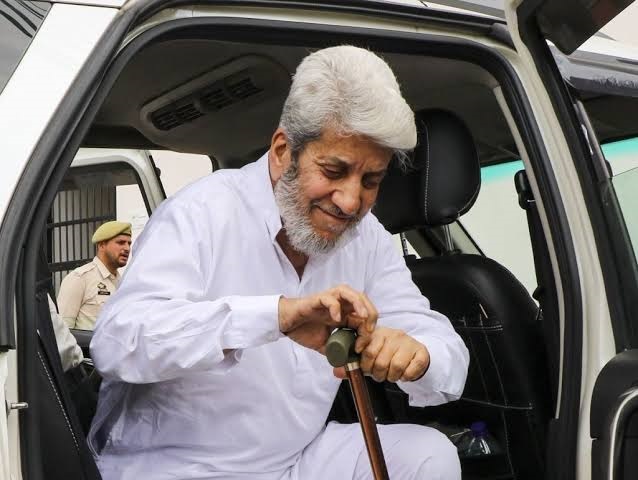
J&K Outsourcing Jobs Row: Sajad Lone’s One-Week Deadline Puts Recruitment Policy Under Political Spotlight
By: Javid Amin | 28 June 2026
The debate over government job recruitment in Jammu and Kashmir has entered a fresh political phase after Jammu and Kashmir People’s Conference chairman Sajad Lone questioned the administration’s outsourcing policy and promised to release what he described as “verified facts” within one week.
The controversy revolves around the increasing use of private agencies for manpower hiring in government departments — a practice opposition parties argue is reducing transparency and limiting opportunities for educated unemployed youth who prepare for formal recruitment examinations.
The government, however, has rejected allegations of irregular hiring, maintaining that outsourcing is carried out through established procurement procedures and does not replace regular recruitment through constitutional bodies.
The political confrontation highlights a larger issue facing Jammu and Kashmir: how to balance administrative efficiency with fairness, transparency and public trust in government employment.
What Triggered the J&K Outsourcing Recruitment Controversy?
For years, government jobs have remained among the most sought-after employment opportunities in Jammu and Kashmir due to limited private-sector growth and high competition among educated youth.
Traditionally, recruitment for government posts has been conducted through institutions such as the Jammu and Kashmir Public Service Commission and Jammu and Kashmir Services Selection Board.
However, in recent years, departments have increasingly engaged manpower through private agencies for different categories of work.
Supporters of outsourcing argue that it helps departments quickly address staffing shortages, especially in sectors requiring immediate manpower support.
Critics argue that outsourcing creates uncertainty for job seekers because candidates hired through private agencies may not receive the same security, benefits or long-term career growth associated with regular government appointments.
Recent reports indicate that the outsourcing issue has become a major political flashpoint, with opposition parties accusing the government of creating a system that bypasses traditional recruitment channels.
Sajad Lone’s Allegations: “Facts Will Be Made Public Within One Week”
Sajad Lone has accused the government of failing to provide adequate clarity on how outsourced appointments are being made and who benefits from these arrangements.
According to Lone, his party will compile and release data related to outsourcing practices, recruitment patterns and alleged irregularities.
His political argument centres around three major concerns:
1. Transparency in Government Hiring
Lone has questioned whether outsourcing is becoming an alternative route to government employment without the competitive examination process.
Opposition leaders argue that when government departments require permanent manpower, recruitment should ideally happen through transparent selection procedures involving written examinations, merit lists and reservation rules.
2. Concerns of Educated Youth
The issue has gained emotional significance among unemployed youth who spend years preparing for government recruitment exams.
Many aspirants argue that if government vacancies are filled through private agencies, they may lose access to opportunities based on open competition.
3. Accountability of Administration
The People’s Conference leader has demanded greater public disclosure regarding contracts, agencies involved and the nature of outsourced positions.
Government’s Response: Outsourcing Is Not “Backdoor Recruitment”
The Jammu and Kashmir government has rejected allegations of irregular appointments, saying that outsourcing and regular recruitment are two separate processes.
Government representatives have stated that regular government posts continue to be filled through approved recruitment agencies, while outsourcing is used for manpower requirements beyond sanctioned posts or for specific operational needs.
Officials have also argued that outsourcing was not introduced by the present administration and that similar practices existed earlier as well.
The government’s position is that outsourcing is an administrative tool designed to improve service delivery and fill immediate staffing gaps.
Political Opposition Intensifies Over Youth Employment Issue
The outsourcing debate has brought multiple opposition parties onto a common platform.
The Peoples Democratic Party has also criticised the policy, alleging that outsourcing could lead to “backdoor appointments” and demanding greater transparency.
The ruling Jammu and Kashmir National Conference has rejected these claims, saying the allegations are politically motivated and that hiring processes follow government rules.
The political fight is now shifting from a simple recruitment issue into a wider debate over governance, accountability and youth expectations.
Why the Issue Matters: Beyond Politics
The controversy is significant because government employment remains deeply connected with social and economic stability in Jammu and Kashmir.
Youth Employment Pressure
A large number of young graduates continue to depend on competitive examinations for stable employment.
Any perception that recruitment pathways are changing without consultation can create frustration among aspirants.
Trust in Institutions
Recruitment systems depend heavily on public confidence.
If citizens believe that opportunities are not equally accessible, it can damage faith in government institutions.
Future of Public Hiring
The bigger question is whether outsourcing should remain a temporary administrative solution or become a long-term employment model.
Recruitment Transparency and Legal Concerns
Across India, courts have repeatedly examined concerns around temporary hiring, contractual appointments and filling permanent vacancies through outsourced arrangements.
The central legal principle in recruitment matters has generally been that public employment must follow fairness, equality and transparent procedures.
In Jammu and Kashmir, previous recruitment controversies have also increased public sensitivity around selection processes and alleged irregularities.
What Could Happen Next?
Sajad Lone’s promised disclosure could become a crucial moment in the ongoing debate.
If the data reveals significant gaps or inconsistencies, opposition parties may intensify demands for an independent review of outsourcing practices.
If the government successfully explains the process and provides documentation, it may reduce political pressure.
For thousands of unemployed youth, however, the central question remains unchanged:
Will future government opportunities be decided through open competition and merit-based recruitment, or will outsourcing become a parallel employment route?
The coming days may determine how Jammu and Kashmir’s recruitment debate develops — and whether transparency becomes the centrepiece of future job policy.
Editorial Note
This report reflects claims made by political leaders and official responses. Allegations regarding irregularities require verification through official records, investigations or competent authorities before being treated as established facts.