Iran’s Largest Funeral? Ayatollah Khamenei Farewell Ceremony Could Draw Millions as Nation Faces Historic Transition
By: Javid Amin | 27 June 2026
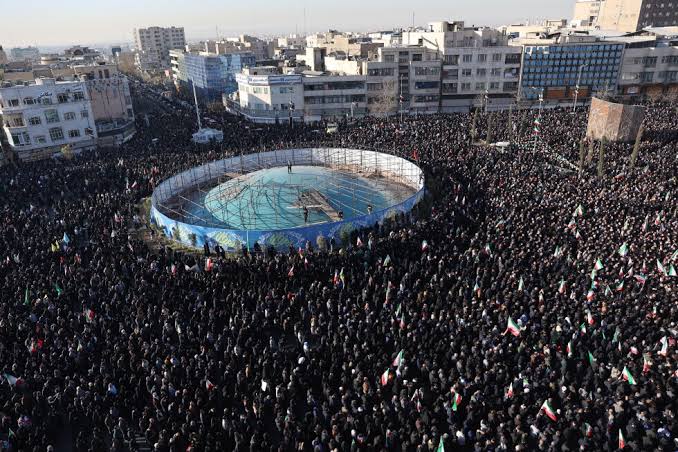
Iran is preparing for what officials describe as one of the largest funeral gatherings in the country’s modern history as millions are expected to participate in ceremonies honouring late Supreme Leader Ayatollah Ali Khamenei.
The scale of the event has drawn global attention not only because of the expected crowds but also because it comes at a defining moment for Iran’s political future. Khamenei, who shaped the Islamic Republic’s direction for more than three decades, leaves behind a leadership vacuum that could influence Iran’s domestic politics, regional alliances and relations with world powers.
Iranian authorities are preparing for a multi-stage funeral process beginning in Tehran and continuing through major religious centres including Qom and Mashhad. State-linked announcements have described extensive planning involving government institutions, security agencies and religious organisations.
Funeral Preparations: A Multi-City Ceremony of Historic Scale
The funeral programme is expected to unfold over several days, reflecting Khamenei’s dual role as both Iran’s highest religious authority and its most powerful political figure.
According to announced arrangements:
- Tehran will host the initial farewell ceremonies and major public gatherings.
- Qom, a major centre of Shia religious scholarship, will hold additional commemorative events.
- Mashhad, home to the Imam Reza shrine and Khamenei’s birthplace, will host the final burial ceremony.
Officials have prepared crowd-management measures, transportation arrangements and security deployment to handle the expected turnout.
The challenge is enormous: managing millions of people in densely packed urban areas while ensuring safety, preventing overcrowding and maintaining security during one of Iran’s most politically sensitive moments.
35 Million Mourners: Symbol of Support or State Mobilisation?
Iranian officials have projected attendance figures reaching nearly 35 million people, a number that would place the event among the largest public gatherings recorded in modern history.
The comparison immediately turns to the funeral of Iran’s revolutionary founder, Ayatollah Ruhollah Khomeini, in 1989, when millions gathered in Tehran following his death.
A turnout approaching the figures being discussed for Khamenei’s funeral would carry enormous symbolic importance for Iranian authorities. It would be presented as evidence of national unity and public loyalty toward the Islamic Republic.
However, analysts note that measuring public sentiment in Iran is complex. While many citizens participate due to genuine religious respect, revolutionary tradition and cultural expectations, political restrictions and limited space for dissent mean public gatherings do not always provide a complete picture of national opinion.
Ayatollah Khamenei’s Legacy: Three Decades at Iran’s Centre of Power
Khamenei became Supreme Leader in 1989 after Khomeini’s death, becoming the second person to hold Iran’s most powerful political and religious position.
During his leadership, he influenced:
- Iran’s foreign policy direction
- Relations with the United States and Israel
- Nuclear negotiations
- The role of military and security institutions
- Regional alliances across the Middle East
Unlike a traditional head of government, Iran’s Supreme Leader holds authority over major state institutions, including the armed forces and key political bodies.
His era was defined by a strong anti-Western position, support for regional allies and resistance against US influence in the Middle East.
Security Challenge: Protecting One of Iran’s Biggest Public Events
A gathering of this size creates significant logistical challenges.
Authorities are expected to deploy large numbers of security personnel, emergency responders and crowd-control teams.
Major concerns include:
- Crowd congestion
- Medical emergencies
- Transportation pressure
- Security threats
- Managing large movements between cities
Iran has experience handling massive religious and political gatherings, but Khamenei’s funeral carries additional sensitivity because it marks both a national mourning event and the beginning of a political transition.
Global Leaders Watch Iran’s Next Move
The funeral is expected to attract foreign representatives, particularly from countries that maintain close political relationships with Tehran.
Diplomatic participation will be closely watched because Khamenei played a central role in shaping Iran’s foreign policy for decades.
Reports indicate that invitations have been extended to international figures, including India’s Prime Minister Narendra Modi, highlighting the diplomatic importance of the ceremony.
For many governments, the event will serve as an opportunity to assess Iran’s stability and the direction of its next leadership.
Iran’s Leadership Question: Who Will Replace Khamenei?
Beyond the funeral itself, the biggest question facing Iran is succession.
The Assembly of Experts, the body responsible for selecting Iran’s Supreme Leader, will oversee the process.
Possible scenarios include:
A New Supreme Leader
Iran could choose another senior cleric to continue the existing system.
A Leadership Council
Some observers have discussed the possibility of collective leadership, although such a move would represent a major change from Iran’s current structure.
A Generational Shift
The transition could also bring younger political figures into greater prominence as Iran faces economic pressure, social change and international challenges.
Regional Impact: Why Iran’s Transition Matters Beyond Its Borders
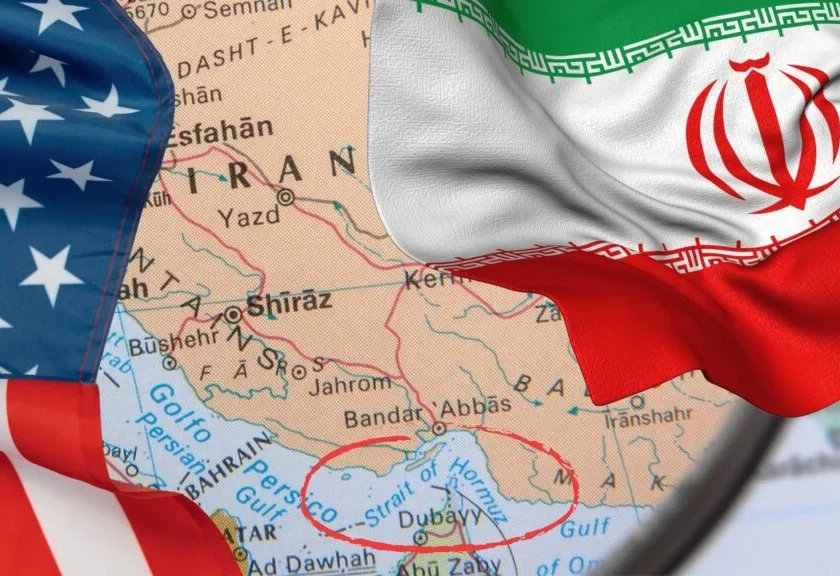
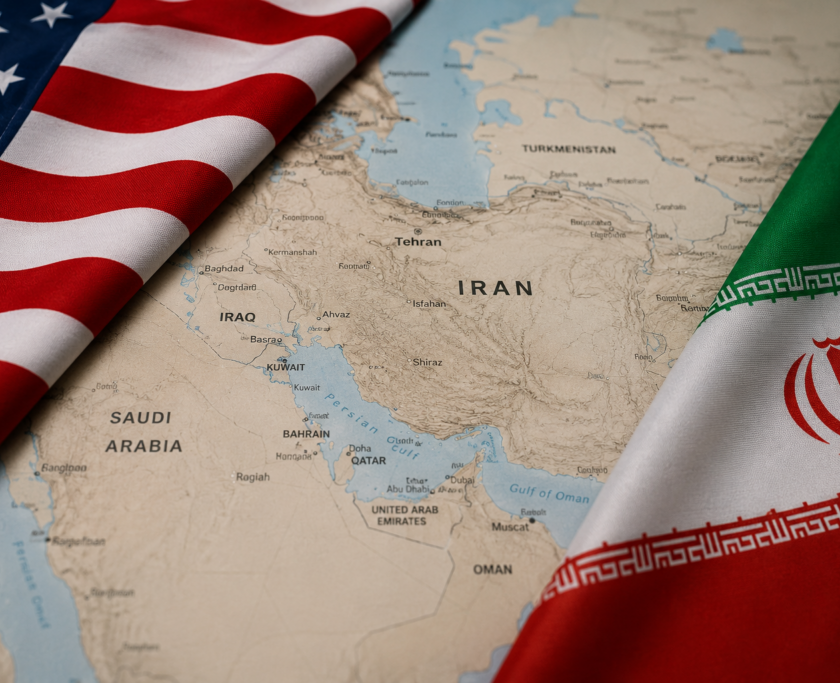
Iran is a major regional power, influencing politics and security developments across the Middle East.
A leadership transition could affect:
- Relations with Gulf countries
- Nuclear diplomacy
- Iran’s approach toward the United States
- Regional alliances
- Conflicts involving Iran-backed groups
Countries across the region will closely monitor whether Iran maintains continuity or moves toward a different political direction.
The Funeral as a Test of Iran’s Political Strength
Beyond mourning, the funeral will become a major political moment.
The size of the gathering, organisation of events and international participation will all be interpreted as indicators of Iran’s internal stability.
For supporters, it will represent loyalty and continuity.
For critics, it will raise questions about state influence, public expression and the future direction of the Islamic Republic.
One thing is clear: Ayatollah Khamenei’s funeral will not only mark the end of an era — it will also signal the beginning of Iran’s next chapter.