Venezuela Earthquake Death Toll Climbs to 920 as Rescue Teams Battle Time, Rubble and Aftershocks
By: Javid Amin | 26 June 2026
Twin Earthquakes Leave Venezuela Facing One of Its Worst Natural Disasters in More Than a Century
Venezuela is confronting one of the deadliest natural disasters in its modern history after two powerful earthquakes struck the country’s northern coast, leaving at least 920 people dead and 3,360 injured as of June 27. Authorities warn the toll is expected to rise as hundreds remain trapped beneath collapsed buildings and thousands of families continue searching for missing relatives.
The twin earthquakes, measuring magnitude 7.2 and 7.5, struck within seconds of each other, devastating large parts of La Guaira, Caracas, and surrounding northern regions. The unprecedented destruction has overwhelmed emergency services, prompting an international humanitarian response as rescue teams race against time to find survivors.
Latest Official Casualty Figures (As of June 27)
According to updated figures released by Venezuela’s National Assembly President Jorge Rodríguez:
- Confirmed deaths: At least 920
- Injured: More than 3,360
- People still trapped: 172 officially confirmed beneath collapsed structures
- Missing reports: Authorities and humanitarian agencies have received reports concerning more than 50,000 missing persons, although officials caution that many of these reports may include duplicate registrations and people who have not yet contacted relatives. Search efforts are continuing to verify these cases.
Officials stress that casualty figures remain provisional as rescue operations continue across heavily damaged neighborhoods.
Worst-Hit Areas
The destruction has been concentrated along Venezuela’s northern coastal belt.
La Guaira
The port city of La Guaira has emerged as the epicenter of the humanitarian crisis.
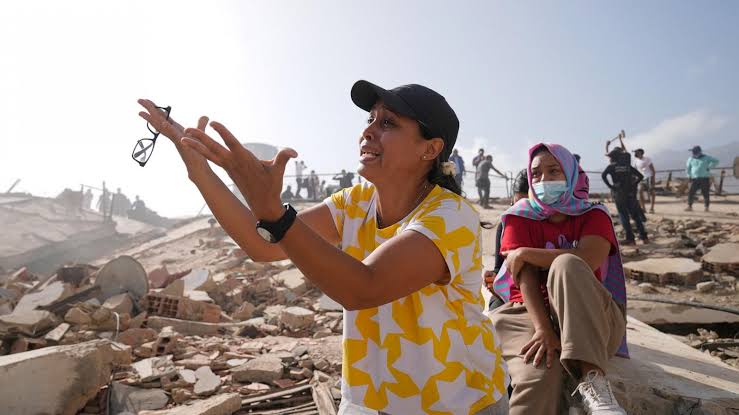
Entire residential blocks have collapsed, roads remain blocked by debris, and rescue crews continue searching damaged apartment buildings where survivors may still be trapped.
Caracas
Several districts of the capital suffered extensive structural damage.
Older apartment complexes, commercial buildings, schools and public infrastructure sustained significant destruction, particularly in densely populated neighborhoods.
Coastal and Mountain Communities
Numerous smaller towns experienced landslides, road collapses and isolation after bridges and highways were damaged.
Many communities remain difficult to access due to blocked transport corridors.
Rescue Operations Enter Critical Phase
Emergency responders have now entered the most difficult stage of the operation.
Search teams from Venezuela, supported by international urban search-and-rescue specialists, continue working around the clock using:
- Thermal imaging cameras
- Search dogs
- Drones
- Acoustic life-detection equipment
- Heavy earth-moving machinery
Officials say every hour reduces the chances of finding survivors alive, although several dramatic rescues have been reported nearly two days after the disaster.
Aftershocks Continue to Threaten Rescue Teams
The crisis has been compounded by continuing seismic activity.
Authorities have recorded more than 190 aftershocks since the twin earthquakes struck, forcing rescue teams to repeatedly suspend operations because of the danger of further building collapses.
A fresh magnitude 4.9 tremor was also felt on June 27, increasing anxiety among survivors living in temporary shelters.
Infrastructure Devastation
The earthquakes have caused widespread destruction across northern Venezuela.
Preliminary assessments indicate:
- Hundreds of buildings severely damaged or destroyed
- Residential apartment blocks flattened
- Bridges and highways damaged
- Electricity outages affecting multiple regions
- Water supply systems disrupted
- Telecommunications partially interrupted
Officials estimate direct economic losses at approximately US$6.7 billion, although that figure is expected to rise as damage assessments continue.
Hospitals Under Extreme Pressure
Medical facilities are struggling to cope with the scale of the disaster.
Hospitals in Caracas and La Guaira have been inundated with patients suffering:
- Crush injuries
- Multiple fractures
- Head trauma
- Internal bleeding
- Severe burns caused by collapsed electrical infrastructure
Temporary field hospitals have been established, while emergency medical teams from several countries are assisting local healthcare workers.
International Aid Begins Arriving
International assistance has accelerated as the scale of the catastrophe has become clearer.
Countries and organizations have pledged:
- Urban search-and-rescue teams
- Medical personnel
- Emergency medicines
- Field hospitals
- Food and clean drinking water
- Financial assistance
- Heavy rescue equipment
The United States announced US$150 million in humanitarian assistance while easing certain restrictions to facilitate relief deliveries. Rescue teams from multiple countries have also reached Venezuela to support ongoing operations.
Growing Humanitarian Concerns
As rescue efforts continue, humanitarian agencies are warning of a second phase of the disaster.
Shelter Crisis
Thousands of families have lost their homes and are now staying in:
- Schools
- Sports facilities
- Community centres
- Temporary tent camps
Food and Water Shortages
Disruptions to transport and utilities have affected the distribution of essential supplies.
Many shelters are reporting shortages of:
- Drinking water
- Food
- Medicines
- Sanitation facilities
Disease Risks
Public health experts warn that overcrowded shelters, damaged sanitation systems and limited access to clean water increase the risk of infectious disease outbreaks if relief operations do not expand rapidly.
Questions Over Disaster Preparedness
The disaster has intensified scrutiny of Venezuela’s emergency preparedness.
Residents in several of the hardest-hit areas reported initially relying on neighbours and volunteers before larger rescue operations reached them. Critics have questioned the speed and coordination of the official response, while the government says it has mobilised all available national resources. These issues are expected to remain a focus once immediate rescue efforts conclude.
What Happens Next?
The coming days will remain focused on:
- Locating survivors beneath collapsed buildings.
- Identifying victims and reuniting families.
- Restoring electricity, communications and transport links.
- Expanding emergency shelter capacity.
- Delivering food, water and medical supplies.
- Conducting structural safety inspections before residents are allowed to return.
Authorities caution that the official death toll is likely to increase as more buildings are searched.
Conclusion
As of June 27, Venezuela’s twin earthquakes have claimed at least 920 lives, injured more than 3,360 people, and triggered one of the country’s largest humanitarian emergencies in decades. Rescue teams continue searching collapsed neighborhoods despite persistent aftershocks, while international assistance is gradually reaching the worst-hit areas.
With hundreds still believed to be trapped and tens of thousands of missing-person reports yet to be resolved, the full human cost of the disaster is still unfolding. Beyond the immediate rescue effort, Venezuela now faces the immense challenge of rebuilding damaged communities, restoring essential services, and supporting thousands of families whose lives have been irrevocably changed.