Silk Route Festival 2026: Nubra Valley Revives Its Ancient Legacy Through Culture and Community
By: Javid Amin | 27 June 2026
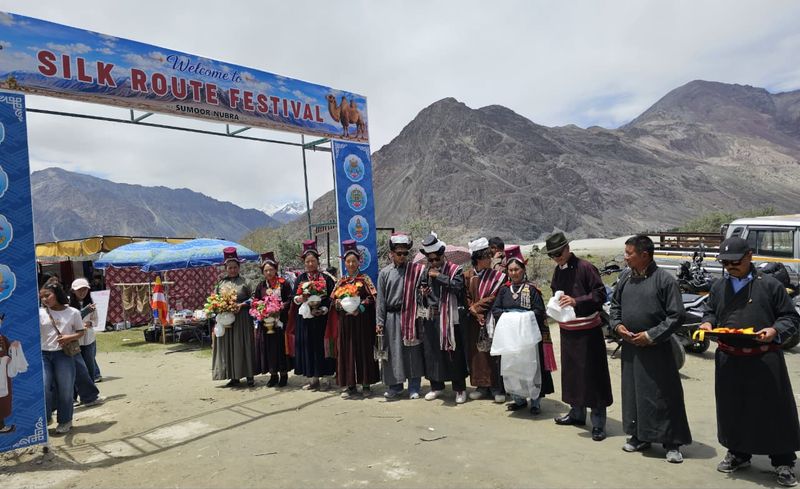
Amid the breathtaking landscapes of Ladakh’s Nubra Valley, the historic village of Sumoor became a vibrant centre of culture, tradition and social awareness as the Silk Route Festival 2026 brought together local communities, artists, officials and visitors on June 26.
The festival was more than a celebration of music and dance. It emerged as a platform where Nubra’s centuries-old identity met present-day concerns — from protecting the fragile Himalayan environment to guiding the younger generation towards a healthier future.
The event highlighted how cultural festivals in remote Himalayan regions can play a wider role in strengthening local economies, preserving heritage and promoting responsible tourism.
Sumoor, Nubra Valley: A Festival Celebrating the Spirit of the Ancient Silk Route
The Silk Route Festival was organised in Sumoor, Nubra Valley, a region historically connected with the ancient Silk Route network that linked Ladakh with Central Asia.
For centuries, traders, travellers and communities moved through these high-altitude routes, creating a unique cultural exchange reflected in Nubra’s traditions, languages, crafts and lifestyles.
Today, the festival keeps that historical memory alive by showcasing the region’s cultural diversity while encouraging visitors to understand Nubra beyond its scenic beauty.
The event was attended by local residents, tourists, community representatives and government officials, creating a shared space for cultural exchange and public participation.
Key Highlights of Silk Route Festival 2026
Traditional Performances Bring Nubra’s Heritage Alive
One of the biggest attractions of the festival was the colourful cultural programme presented by local artists.
Traditional songs, dances and performances reflected the diversity of Nubra’s communities and offered visitors a glimpse into Ladakh’s living heritage.
These performances were not only entertainment but also an effort to preserve traditions that have been passed down through generations.
In regions facing rapid social and economic change, such cultural platforms help younger generations reconnect with their roots.
Handicrafts and Local Products Showcase Nubra’s Creative Economy
The festival also featured exhibition stalls by the Village Lab Foundation and local exhibitors, displaying traditional handicrafts, indigenous products and cultural artefacts.
These exhibitions highlighted the economic potential of local craftsmanship.
For communities in remote Himalayan areas, traditional products can become an important source of livelihood by connecting artisans with tourists and wider markets.
Promoting local crafts also supports a more sustainable tourism model where visitors contribute directly to the regional economy.
Leadership Message: Clean Nubra and Drug-Free Nubra
Environmental Protection Takes Centre Stage
Addressing the gathering, Deputy Commissioner Nubra Mukul Beniwal (IAS) emphasised the importance of protecting the fragile Himalayan ecosystem.
He appealed to residents and tourists to support the ban on single-use plastic and adopt environmentally responsible habits to keep Nubra “clean, green and sustainable.”
The message carries particular importance for Ladakh, where limited resources, fragile landscapes and increasing tourist activity create environmental challenges.
The administration has also strengthened measures against single-use plastic and littering across Ladakh to safeguard its sensitive ecology.
For destinations like Nubra, sustainability is not just an environmental issue — it is directly linked with preserving tourism, agriculture, water resources and local livelihoods.
Drug Abuse Awareness: Protecting the Future Generation
Superintendent of Police Nubra Stanzin Losal (JKPS) used the festival platform to raise awareness about the growing challenge of drug abuse among youth.
He urged parents, community leaders and residents to remain alert and work collectively to guide young people towards a drug-free lifestyle.
The focus on youth awareness comes as administrations across the region continue campaigns against substance abuse through community programmes and public outreach initiatives.
Experts often highlight that awareness, counselling, education and community involvement are key factors in preventing substance abuse, especially among young populations.
Also Read | Romance & Spiritual Journeys 2026: Honeymoon, Anniversary & Yatra Packages in North India
Why the Silk Route Festival Matters for Nubra Valley
Preserving Cultural Identity in a Changing World
Modernisation and tourism bring new opportunities but also create challenges for traditional societies.
Festivals like the Silk Route Festival provide communities with a space to preserve:
- Traditional music and dance forms
- Indigenous crafts
- Local history
- Cultural practices
- Community identity
By celebrating heritage publicly, such events ensure that traditions remain meaningful for future generations.
Boosting Cultural Tourism in Ladakh
Nubra Valley is already famous for its landscapes, monasteries, mountains and unique desert environment.
However, cultural festivals add another dimension to tourism by encouraging visitors to experience local life, traditions and stories.
The Silk Route Festival strengthens Nubra’s position as a destination where history, culture and nature come together.
For tourists, it offers an opportunity to understand Ladakh beyond popular sightseeing locations.
Challenges Ahead: Balancing Tourism and Sustainability
While cultural festivals create opportunities, Nubra faces important challenges.
Protecting a Fragile Himalayan Ecosystem
The growth of tourism increases pressure on:
- Waste management systems
- Water resources
- Natural landscapes
- Local infrastructure
Sustainable tourism practices will be essential to ensure that economic growth does not harm the environment.
Creating More Opportunities for Youth
Youth engagement remains a crucial priority.
Providing opportunities through:
- Cultural activities
- Skill development
- Local entrepreneurship
- Sports and education programmes
can strengthen social confidence and reduce vulnerability to negative influences.
Also Read | North India Romance & Spiritual Travel 2026: Honeymoon, Anniversary & Yatra Packages — Budget to Luxury
Silk Route Festival 2026: A Model of Culture-Driven Development
The Silk Route Festival 2026 demonstrated that cultural events can serve multiple purposes.
It was a celebration of heritage, a platform for local businesses, a tourism promotion initiative and a space for important social conversations.
From traditional performances in Sumoor to messages on environmental responsibility and youth awareness, the festival reflected a broader vision for Nubra — a region that respects its past while preparing for the future.
As Ladakh continues to attract global attention, festivals like this can help ensure that development remains connected with culture, community and sustainability.
Quick Summary Table
| Aspect | Details | Impact |
|---|---|---|
| Location | Sumoor, Nubra Valley, Ladakh | Promotes regional identity |
| Chief Guest | DC Nubra Mukul Beniwal (IAS) | Leadership on sustainability |
| Cultural Programme | Traditional music and dance performances | Preserves heritage |
| Exhibitions | Handicrafts and indigenous products | Supports local economy |
| Environment Message | Support for single-use plastic ban | Encourages sustainable tourism |
| Social Awareness | Drug-free Nubra campaign | Strengthens community responsibility |
| Tourism Value | Celebration of Silk Route legacy | Attracts cultural travellers |