NC Takes Aim at BJP After Kashmir Leader Alleges Hotel Denial in Maharashtra
By: Javid Amin | 09 June 2026
Political Storm Erupts as Identity, Integration and Kashmir Narrative Collide
A seemingly isolated hotel accommodation dispute in Maharashtra has quickly evolved into a political flashpoint, triggering a war of words between the Bharatiya Janata Party (BJP) and the National Conference (NC) in Jammu and Kashmir.
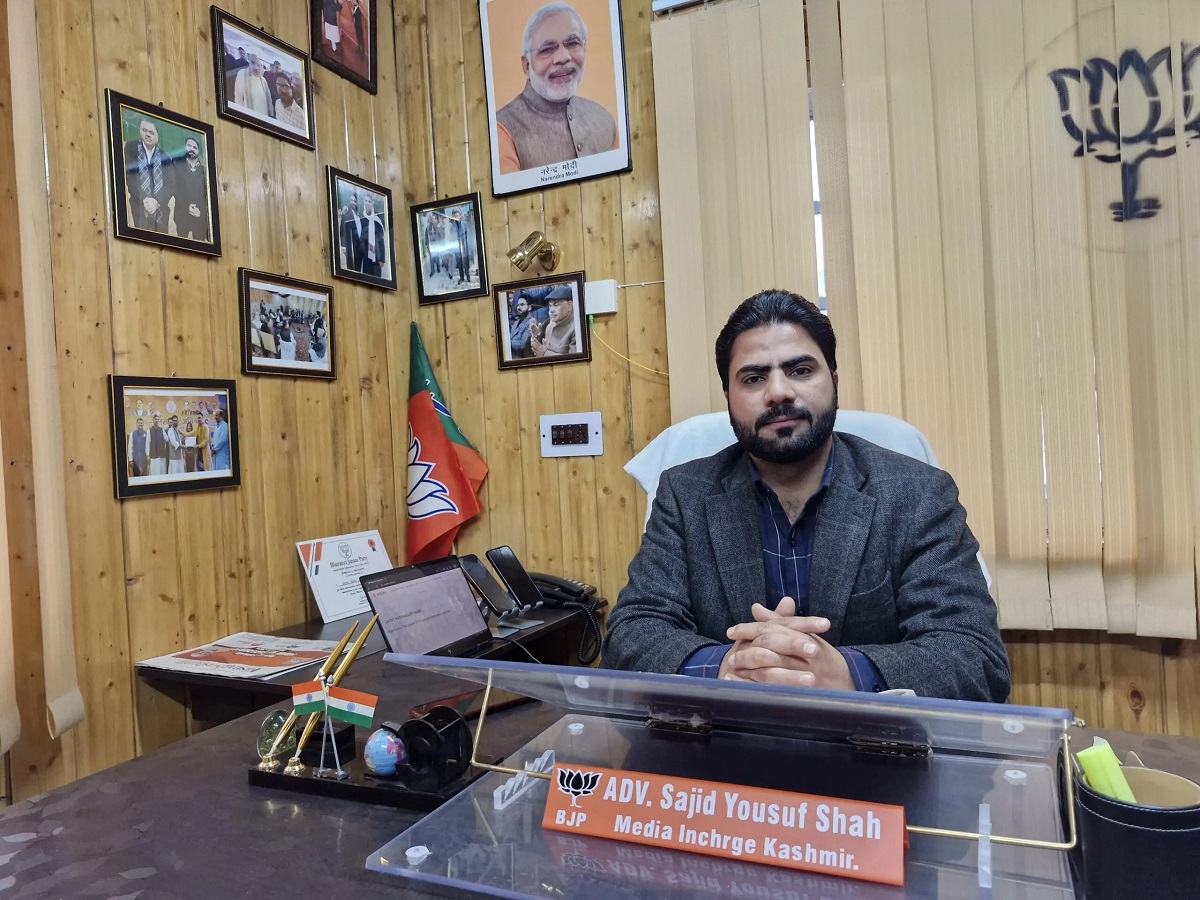
At the centre of the controversy is BJP’s Jammu and Kashmir co-media in-charge, Sajid Yousuf Shah, who alleged that he was asked to leave a hotel in Maharashtra’s Chhatrapati Sambhajinagar after staff raised concerns linked to his Kashmiri identity. The allegation rapidly gained traction on social media and was soon picked up by political opponents eager to challenge the BJP’s narrative of national integration. However, the hotel management has denied the allegation, saying the room had already been allotted elsewhere and that the decision was unrelated to Shah’s identity. This conflicting version of events has added a layer of complexity to an already sensitive issue.
From Personal Grievance to Political Controversy
According to Shah, the incident occurred after he had already checked into the hotel. In a social media post, he described the experience as hurtful and questioned whether any Indian citizen should be made to feel unwelcome because of their place of origin. His remarks resonated with many Kashmiris who have long argued that stereotypes about the region continue to persist despite repeated calls for national integration.
The allegation immediately transformed from an individual complaint into a wider political debate. Questions emerged over whether Kashmiris still face prejudice outside the Union Territory and whether such incidents undermine efforts to bridge regional divides.
National Conference Seizes the Opportunity
The ruling National Conference wasted little time in responding.
Several NC leaders argued that the incident exposed contradictions in the BJP’s messaging on Kashmir. Party spokespersons suggested that if a BJP functionary could allegedly face suspicion or discrimination because he is Kashmiri, it raises uncomfortable questions about the broader social acceptance of Kashmiris across India.
Some NC leaders went further, describing the episode as a reflection of narratives that, in their view, have contributed to mistrust and stereotyping over the years. The party used the controversy to challenge the BJP’s repeated claims that the post-2019 political framework has fully integrated Jammu and Kashmir into the national mainstream.
The sharpest criticism came from NC figures who portrayed the incident as a case of the BJP confronting a reality that many ordinary Kashmiris have long complained about.
The BJP’s Dilemma
For the BJP, the controversy is politically awkward.
The party has consistently promoted the message that barriers between Jammu and Kashmir and the rest of India have diminished significantly. An allegation involving one of its own leaders therefore creates a difficult narrative challenge.
At the same time, BJP leaders have avoided turning the issue into a partisan battle and have instead framed it as a matter of equal treatment for every citizen regardless of region, religion or political affiliation.
Supporters of Shah argue that if the allegation is accurate, the incident should be condemned because discrimination against any Indian citizen is unacceptable.
Beyond Politics: A Question of Perception
The significance of the controversy extends beyond party politics.
Whether or not the allegation is ultimately substantiated, the episode has revived a longstanding conversation about how Kashmiris are perceived in different parts of the country.
For years, students, professionals and travellers from Jammu and Kashmir have occasionally reported facing suspicion, additional scrutiny or stereotyping because of their regional identity. Many such complaints have never resulted in formal investigations, making it difficult to separate anecdotal experiences from broader trends.
That is why the current controversy has attracted attention far beyond the immediate political battle between NC and BJP.
Why This Story Matters
The real importance of the incident lies not in a single hotel booking dispute but in what it symbolizes.
For the BJP, it presents an uncomfortable challenge to its integration narrative.
For the National Conference, it offers an opportunity to argue that emotional and social integration cannot be measured solely through constitutional or administrative changes.
For ordinary Kashmiris, the debate touches on a more fundamental question: whether people from the region are judged as equal citizens when they travel, work or study outside Jammu and Kashmir.
The Road Ahead
As of now, the matter remains unresolved. Shah maintains that he was denied accommodation because he was Kashmiri, while the hotel owner disputes that claim.
Unless an official inquiry or further evidence emerges, the incident will remain a contested account rather than an established fact.
What is already clear, however, is that the controversy has become far larger than a hotel room dispute. It has evolved into a debate about identity, belonging, perception and politics—issues that continue to shape the conversation around Kashmir in contemporary India.