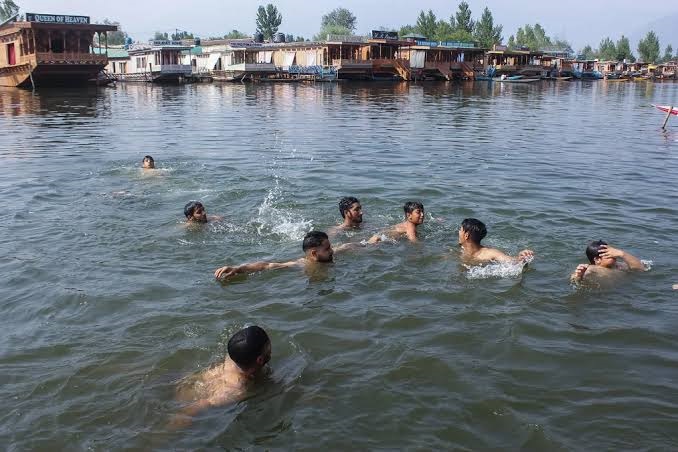
Srinagar Records Season’s Hottest Day at 35.9°C, Turns Hotter Than Jammu as IMD Warns of Heavy Rain and Flash Flood Risk
By: News Desk | 18 July 2026
Valley Witnesses Extraordinary Summer Heat While Weather Department Warns of Cloudburst-Like Events and Flash Flood Risk
In an extraordinary weather event that underscores the growing impact of climate variability in the Himalayan region, Srinagar recorded its hottest day of the 2026 summer at 35.9°C, a temperature rarely experienced in the Kashmir Valley. Even more remarkable was the fact that Srinagar turned hotter than Jammu on the same day, reversing the region’s usual weather pattern where the Jammu plains remain significantly warmer than the Valley.
The record-breaking heat has triggered widespread concern among residents, environmental experts, farmers and tourism stakeholders, while the India Meteorological Department (IMD) has simultaneously issued a weather advisory warning of heavy rainfall, cloudburst-like events, flash floods, landslides and a sharp rise in water levels of rivers and local streams over the coming days.
The unusual combination of an intense heatwave followed by the threat of extreme rainfall reflects the increasingly unpredictable nature of weather in Jammu and Kashmir.
Srinagar Touches 35.9°C – Highest Temperature of the Season
Saturday’s maximum temperature of 35.9°C made Srinagar one of the hottest locations in the Kashmir Valley this season.
Typically, July temperatures in Srinagar remain around 29°C to 30°C, making this reading nearly 6°C above the seasonal average. Such a significant departure from normal conditions places the Valley under severe heat stress.
For thousands of residents accustomed to Kashmir’s relatively mild summers, the sudden spike has made daily life increasingly uncomfortable.
Health experts advise people, particularly children, senior citizens and those with chronic illnesses, to avoid prolonged exposure to direct sunlight during afternoon hours, remain hydrated and reduce strenuous outdoor activities.
A Rare Weather Reversal: Srinagar Hotter Than Jammu
One of the most striking aspects of Saturday’s weather was that Srinagar recorded a higher maximum temperature than Jammu, something that occurs only on rare occasions.
Jammu, located in the subtropical plains, generally experiences much higher summer temperatures, often exceeding 40°C during June and July. Srinagar, owing to its higher altitude, surrounding mountains and cooler climate, usually remains considerably cooler.
This unusual reversal highlights how localized weather systems, atmospheric circulation, cloud cover and changing climatic conditions can temporarily alter traditional temperature patterns across Jammu and Kashmir.
Temperature Snapshot
| City | Maximum Temperature | Status |
|---|---|---|
| Srinagar | 35.9°C | Highest of the season |
| Jammu | Lower than Srinagar | Rare reversal |
| Normal July Temperature (Srinagar) | 29–30°C | Seasonal average |
Why Is Kashmir Experiencing Hotter Summers?
Environmental scientists say Kashmir has been witnessing a noticeable rise in summer temperatures over the past decade.
Several factors are contributing to this trend:
Changing Climate Patterns
Global warming is increasing average temperatures across the Himalayan region, reducing the cooling effect traditionally associated with Kashmir’s high-altitude environment.
Reduced Snow Cover
Less winter snowfall means glaciers and mountain snow melt earlier, reducing the natural cooling effect during summer months.
Urban Expansion
Rapid urbanisation around Srinagar has increased concrete surfaces, reduced green spaces and intensified the urban heat island effect, where cities retain more heat than surrounding rural areas.
Changing Rainfall Patterns
Instead of receiving evenly distributed rainfall, Kashmir is increasingly witnessing prolonged dry spells followed by short periods of intense rainfall—a hallmark of climate change observed in many mountain regions.
Experts warn that such shifts could become more frequent unless greenhouse gas emissions are reduced and climate adaptation measures are strengthened.
IMD Warns of Heavy Rain, Cloudburst-Like Events and Flash Flood Risk
Even as residents continue to battle the heat, the India Meteorological Department (IMD) has issued a fresh advisory warning of a significant change in weather conditions.
According to the advisory, parts of Jammu and Kashmir may witness:
- Heavy to very heavy rainfall
- Cloudburst-like intense rain spells in vulnerable areas
- Flash floods in low-lying regions
- Sudden rise in rivers, streams and local nallahs
- Landslides and mudslides in hilly districts
- Waterlogging in urban areas
Authorities have advised people living near riverbanks, seasonal streams and landslide-prone areas to remain alert and follow official weather updates.
Tourists travelling to mountain destinations have also been urged to exercise caution, particularly while trekking or visiting remote valleys.
Residents Feel the Heat Amid Rising Power and Water Demand
The prolonged spell of high temperatures has affected daily life across Srinagar.
As air coolers, fans and water pumps run continuously, electricity consumption has surged, putting additional pressure on the power distribution system.
Residents in several localities have reported increased water demand as households struggle to cope with the unusually warm conditions.
Public health officials recommend:
- Drinking plenty of water throughout the day.
- Avoiding outdoor work during peak afternoon hours.
- Wearing light-coloured, loose-fitting clothing.
- Paying special attention to children and elderly family members.
Tourism Sector Faces Unexpected Summer Challenge
Kashmir’s tourism industry, which traditionally markets the Valley as a cool summer escape, has also felt the impact of the unusual weather.
Popular destinations including Gulmarg, Pahalgam, Sonamarg and parts of central Kashmir experienced warmer-than-usual conditions, prompting many visitors to adjust sightseeing schedules.
Outdoor activities such as trekking, horse riding and nature walks were shifted to early morning or evening hours to avoid peak daytime heat.
Tourism operators, however, remain optimistic that the forecast rainfall and subsequent drop in temperatures may restore more comfortable conditions if the precipitation remains moderate and does not trigger weather-related disruptions.
Agriculture Faces Double Challenge
The weather has created mixed concerns for Kashmir’s agriculture sector.
Apple Orchards Under Stress
High temperatures increase moisture loss from the soil, placing stress on apple trees during a crucial fruit development stage.
Farmers are closely monitoring orchard conditions, particularly in districts known for apple production.
Saffron Fields Await Relief
Although saffron cultivation mainly depends on autumn weather, prolonged summer dryness affects soil moisture levels and may influence field preparation.
Rain Could Help—Or Hurt
Moderate rainfall would replenish soil moisture and benefit crops.
However, extremely heavy rainfall or flash floods could damage orchards, erode fertile topsoil and affect standing crops in vulnerable areas.
Agricultural experts therefore stress the importance of balanced rainfall rather than sudden, intense downpours.
Climate Change Is Making Extreme Weather More Common
The latest weather episode is another reminder that Kashmir’s climate is becoming increasingly unpredictable.
Scientists have observed a growing pattern of:
- More frequent heatwaves.
- Short but intense rainfall events.
- Flash floods and cloudburst-like incidents.
- Erratic snowfall.
- Changing seasonal cycles.
Mountain ecosystems are particularly sensitive to climate change, making Himalayan regions like Jammu and Kashmir more vulnerable to extreme weather.
Experts believe adaptation measures—including improved weather forecasting, stronger disaster preparedness, sustainable urban planning and water conservation—will play a critical role in reducing future risks.
Authorities Urge Preparedness
Disaster management agencies and district administrations are expected to remain on alert as weather conditions evolve.
Residents have been advised to:
- Monitor official IMD weather bulletins.
- Avoid unnecessary travel to flood- or landslide-prone areas during heavy rain.
- Stay away from swollen rivers, streams and nallahs.
- Secure essential supplies and emergency contacts.
- Follow advisories issued by local authorities.
Early preparedness can significantly reduce the impact of sudden weather events.
What Lies Ahead?
Meteorologists expect the incoming rainfall to provide temporary relief from the intense heat gripping the Kashmir Valley. However, the same weather system also carries the risk of cloudburst-like events, flash floods and landslides in vulnerable districts.
Srinagar’s record temperature of 35.9°C is more than just an isolated weather statistic—it reflects the broader climatic shifts affecting the Himalayan region. As summers become warmer and weather patterns increasingly erratic, Jammu and Kashmir faces the challenge of balancing development, environmental conservation and disaster preparedness.
For residents, farmers and tourists alike, the coming days will require vigilance as the Valley transitions from record-breaking heat to the possibility of intense monsoon-related weather.