Doda Assembly Ban After Mehraj Malik Rally: Security Measure or Clampdown on Dissent?
By: Javid Amin | 03 May 2026
Doda Under Restrictions: A New Flashpoint in Jammu & Kashmir’s Political Landscape
In a significant administrative move, authorities in Doda have imposed a two-month ban on unauthorised public gatherings under Section 163 of the Bharatiya Nagarik Suraksha Sanhita (BNSS). The order, issued on May 3, 2026, comes immediately after the release and public rally of Mehraj Malik—a timing that has intensified debate across political and civil society circles in Jammu & Kashmir.
While officials frame the decision as a preventive law-and-order measure, critics see it as part of a broader pattern of restricting democratic expression in the region.
What the Order Says: Key Details Explained
The prohibitory order was issued by District Magistrate Krishan Lal, invoking Section 163 BNSS—an updated legal provision that empowers authorities to restrict assemblies in sensitive situations.
Key Provisions of the Ban
- Effective Date: May 3, 2026
- Duration: Two months (until early July 2026)
- Legal Framework: Section 163 BNSS
- Restriction: No gathering of five or more persons without prior permission
- Penalty Clause: Violators may face action under Section 223 BNSS
Areas Under Restriction
The ban applies to strategically sensitive and high-footfall zones in Doda:
- Clock Tower Chowk (near SSP office)
- Dessa Road up to Akramabad
- Doda Sports Stadium and a 100-metre radius
- Stretch from Clock Tower to Old Bus Stand
The Senior Superintendent of Police (SSP) has been tasked with strict enforcement, indicating that authorities anticipate possible mobilisation or unrest.
The Trigger: Mehraj Malik’s Release and Rally
The timing of the order is critical to understanding its political significance.
From Detention to Defiance
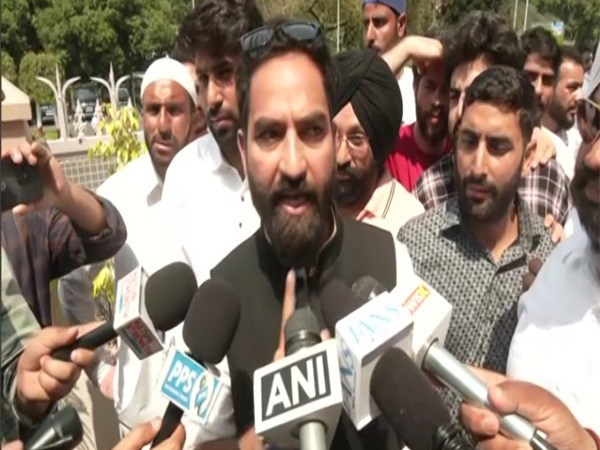
Mehraj Malik, the only legislator of the Aam Aadmi Party in Jammu & Kashmir, was detained in September 2025 under the Public Safety Act (PSA) following controversial remarks against a district official.
- Release: April 28, 2026, after the High Court quashed his detention
- Return to Public Life: Within days, Malik addressed a massive rally in Doda on May 3
- Message: Anti-corruption stance and grassroots mobilisation
Despite the newly imposed restrictions, thousands reportedly gathered at the Doda Sports Stadium, signaling strong public support and political resonance.
Competing Narratives: Security vs Democratic Space
The situation in Doda reflects a deeper tension that has long defined governance in Jammu & Kashmir.
Administrative Perspective
Authorities argue that:
- The restrictions are preventive, not punitive
- Large gatherings could lead to law-and-order challenges
- The move ensures public safety and stability
Political Counterpoint
Malik, however, framed the development differently:
“Voices are being systematically silenced in Kashmir.”
His statement positions the ban as part of a wider clampdown on dissent, a narrative that resonates with sections of civil society and opposition voices.
Legal Lens: What Section 163 BNSS Means
Section 163 of the BNSS is functionally similar to earlier provisions used to impose prohibitory orders in volatile situations.
What It Allows
- Immediate restriction on public gatherings
- Application in areas deemed sensitive
- Preventive control over protests or rallies
What It Raises
- Questions about proportionality
- Scope for administrative discretion
- Potential overlap with fundamental rights, especially freedom of assembly
The enforcement under Section 223 BNSS adds a punitive dimension, making violations legally consequential.
Ground Reality: Impact on Daily Life
For residents of Doda, the order is not just political—it is practical.
Immediate Effects
- Community meetings and small gatherings may require permission
- Public protests are effectively curtailed
- Increased police presence in key zones
Even routine social or civic interactions could fall under scrutiny if they occur within restricted areas.
Political Implications: Rising Friction Ahead?
The developments point to a potentially volatile phase in local politics.
Key Observations
- Grassroots Mobilisation: Malik’s rally turnout suggests a strong support base
- State Response: Swift imposition of restrictions indicates administrative caution
- Potential Flashpoints: Continued mobilisation could lead to confrontations
The episode may shape political discourse in the region in the coming months, especially around governance, accountability, and civic freedoms.
The Bigger Picture: Kashmir’s Shrinking Civic Space?
The Doda restrictions are not an isolated event—they reflect an ongoing debate about the balance between security imperatives and democratic rights in Jammu & Kashmir.
This duality remains central:
- Security Lens: Stability, prevention, control
- Democratic Lens: Expression, dissent, participation
Where the line is drawn—and how consistently—is what continues to define the region’s evolving political landscape.
Summary Table
| Aspect | Details |
|---|---|
| Ban Duration | 2 months (May–July 2026) |
| Legal Provision | Section 163 BNSS |
| Restricted Areas | Clock Tower Chowk, Dessa Road–Akramabad, Sports Stadium (100m radius), Clock Tower–Old Bus Stand |
| Trigger Event | Release and rally of Mehraj Malik |
| Enforcement | SSP Doda; action under Section 223 BNSS |
| Political Claim | Allegations of suppression of voices |
Final Take
The Doda assembly ban sits at the intersection of governance and politics in Jammu & Kashmir. Whether viewed as a necessary precaution or a restriction on democratic rights, its implications extend beyond a single district.
As political mobilisation intensifies and administrative vigilance tightens, Doda may well become a microcosm of a larger question: How much space does dissent have in today’s Kashmir?