Sidhra Demolition Row Escalates as Nomadic Communities Allege ‘Atrocities’, J&K Minister Boycotts Event
By: Javid Amin | 23 May 2026
Gujjar and Bakarwal Families Accuse Authorities of Targeting Settlements; Minister’s Protest Signals Growing Rift Within Government
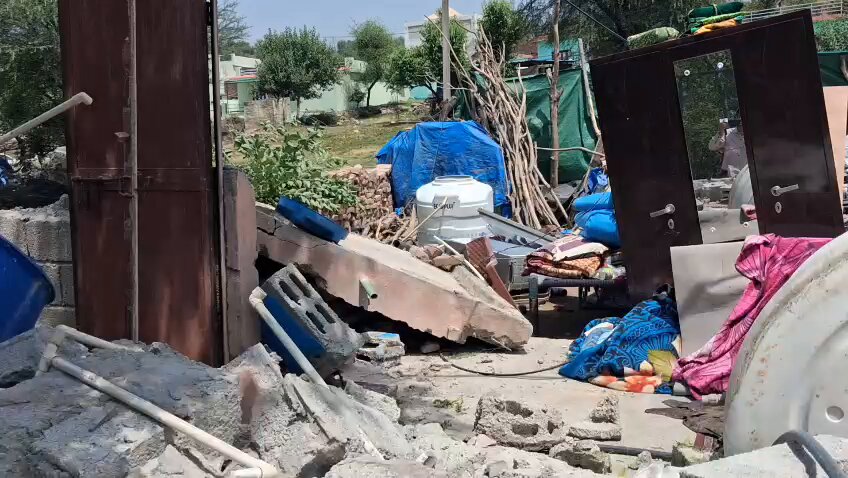
The political and humanitarian fallout from the controversial Sidhra demolition drive in Jammu & Kashmir has intensified after members of nomadic communities filed formal complaints alleging “atrocities” by authorities, while the Union Territory’s Forest Minister staged a dramatic boycott of his own department’s event in apparent protest against the handling of the demolitions.
The developments have transformed the issue from a local anti-encroachment controversy into a wider debate over governance, tribal rights, rehabilitation policy, and internal dissent within the administration led by Omar Abdullah.
At the center of the growing storm are members of the Gujjar and Bakarwal communities — historically marginalized nomadic groups who claim the demolitions disproportionately targeted their homes and settlements without adequate rehabilitation, legal clarity, or humanitarian safeguards.
Nomadic Communities Allege “Atrocities” During Demolition Drive
Gujjar and Bakarwal Families File Complaints
Several families belonging to the Gujjar community and Bakarwal community communities have reportedly submitted formal complaints accusing authorities of carrying out demolitions in a manner they describe as unjust, discriminatory, and in violation of constitutional protections.
The affected families allege that homes and temporary shelters were demolished without sufficient notice, proper rehabilitation arrangements, or consideration for the socio-economic vulnerabilities of nomadic populations.
Many community members argue that the drive has left families displaced and uncertain about their immediate future.
Why the Issue Is Especially Sensitive
The Gujjar and Bakarwal communities occupy a unique social and political position in Jammu & Kashmir.
Historically Marginalized Tribal Communities
Traditionally dependent on seasonal migration, livestock rearing, and forest-linked livelihoods, these nomadic groups have historically faced:
- Land insecurity
- Economic vulnerability
- Limited political representation
- Administrative exclusion
Because of this background, any demolition or eviction action involving tribal settlements carries heightened political and emotional sensitivity.
Critics argue that anti-encroachment drives cannot be implemented in the same manner for vulnerable nomadic populations as they are for commercial land encroachments.
Human Rights and Constitutional Concerns Raised
Community representatives and activists claim the demolitions may violate protections available to Scheduled Tribes and economically vulnerable populations.
Questions Over Due Process
The controversy has raised several critical questions:
- Were affected families properly identified and documented?
- Was adequate notice issued?
- Were rehabilitation measures planned?
- Did authorities distinguish between commercial encroachment and vulnerable habitation?
- Were tribal protections adequately considered?
Legal experts and civil society groups are now increasingly framing the issue not merely as an administrative exercise, but as a constitutional and humanitarian matter.
Forest Minister’s Boycott Exposes Internal Government Friction
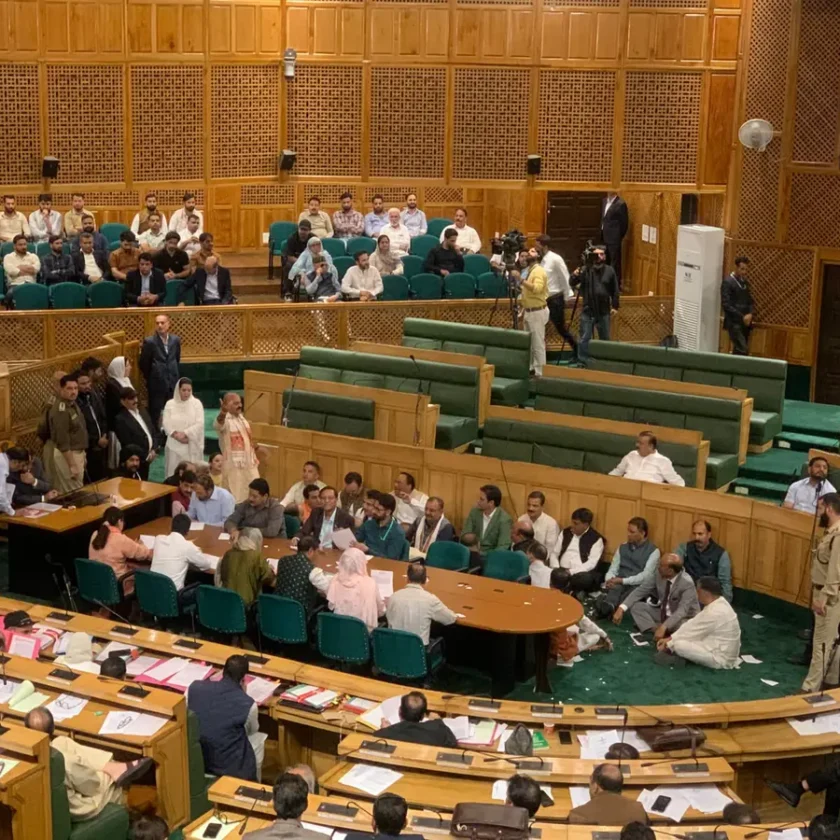
One of the most politically significant developments came when the Jammu & Kashmir Forest Minister reportedly boycotted a departmental event in protest over the Sidhra demolitions.
Rare Public Dissent From Within Government
The minister’s decision has been interpreted as an unusual signal of internal discomfort within the administration.
While governments often attempt to project unity during controversial situations, the boycott indicates that concerns over the demolitions may extend beyond opposition parties and civil society groups.
The move has amplified speculation that sections of the ruling establishment are uneasy about:
- Public backlash
- Humanitarian criticism
- Political optics surrounding the demolitions
The symbolic protest has also added legitimacy to criticism being raised by affected communities.
Demolitions Were Part of Anti-Encroachment Drive
Authorities have defended the demolition exercise as part of a broader anti-encroachment campaign targeting illegal structures and land occupation.
Government’s Administrative Position
Supporters of the drive argue that:
- Illegal encroachments cannot be ignored
- Forest and state land must be protected
- Uniform enforcement is necessary
- Encroachment drives are legally mandated
However, critics counter that enforcement without humanitarian safeguards risks criminalizing poverty and displacement.
The central debate now revolves around whether the administration adequately differentiated between organized land encroachment and vulnerable tribal habitation.
Public Sympathy Growing for Nomadic Communities
The controversy appears to be shifting public sentiment in favor of the affected communities.
Demolition Narrative Changing
Initially framed as an administrative land-clearance operation, the issue is increasingly being viewed through a humanitarian lens.
Images and accounts of displaced families, coupled with allegations of inadequate rehabilitation, have generated wider public sympathy.
The Forest Minister’s boycott has further strengthened the perception that even insiders within government structures are uncomfortable with the handling of the issue.
Political Fallout Intensifies
Opposition Sees Governance Failure
Opposition parties and critics of the government are using the controversy to argue that the administration has failed to balance law enforcement with social justice.
The demolitions are now being linked to broader accusations involving:
- Administrative insensitivity
- Weak public communication
- Lack of accountability
- Marginalization of vulnerable communities
The issue could become politically damaging if public anger continues expanding.
Internal Dissent Creates Governance Questions
The minister’s boycott has also triggered questions about coordination within the administration.
Cracks Within the Establishment?
Political observers note that public disagreement from within the ruling structure is relatively rare in sensitive governance matters.
The incident suggests possible divisions over:
- How anti-encroachment drives are conducted
- Rehabilitation priorities
- Political handling of public backlash
- Communication strategy
If these tensions deepen, the controversy could evolve into a larger governance crisis.
Humanitarian Risks Facing Displaced Families
Shelter and Livelihood Concerns
For affected nomadic families, the immediate concern is survival.
Many displaced households now face:
- Shelter insecurity
- Disruption of seasonal migration patterns
- Livelihood uncertainty
- Loss of livestock-related infrastructure
Given the already vulnerable economic condition of many Gujjar and Bakarwal families, prolonged displacement could create severe humanitarian consequences.
Legal Challenges Could Follow
The filing of formal complaints may be only the beginning of a larger legal battle.
Possible Court Intervention
Rights groups and legal advocates may seek judicial scrutiny over:
- Demolition procedures
- Rehabilitation obligations
- Tribal protections
- Administrative accountability
If the matter reaches higher courts, the government may be required to publicly justify both the legal basis and humanitarian handling of the operation.
Why the Sidhra Issue Is Becoming Symbolically Important
The Sidhra demolition controversy is rapidly turning into more than a local administrative dispute.
It now represents a broader political question in Jammu & Kashmir:
Can governance combine enforcement with public trust?
The answer carries major implications for how future land, forest, and anti-encroachment policies are implemented in sensitive and socially vulnerable areas.
Wider Implications for J&K Politics
1. Tribal Rights Enter Mainstream Political Debate
The controversy has brought long-standing tribal land and rehabilitation concerns into mainstream political discussion.
2. Governance Optics Under Pressure
The administration now faces criticism not only for the demolitions themselves, but also for perceived failures in communication and humanitarian response.
3. Opposition Narrative Strengthening
Opposition leaders are increasingly framing the issue as evidence of disconnect between governance structures and ordinary citizens.
4. Public Trust Challenge
If displaced communities continue alleging injustice without visible resolution, institutional trust could weaken further.
What Happens Next?
The coming days may determine whether the controversy stabilizes or escalates further.
Key developments to watch include:
- Possible rehabilitation announcements
- Official government clarification
- Judicial intervention
- Further protests or political dissent
- Outreach to tribal communities
How the administration responds now could significantly shape public perception going forward.
Conclusion
The Sidhra demolition controversy has evolved into one of the most politically sensitive governance issues currently facing Jammu & Kashmir.
Complaints from Gujjar and Bakarwal families alleging “atrocities,” combined with the Forest Minister’s symbolic boycott, have intensified scrutiny over how anti-encroachment drives are being conducted and communicated.
At the core of the debate lies a difficult challenge for the government: enforcing land laws while protecting vulnerable communities from displacement and alienation.
Without transparent accountability, rehabilitation efforts, and public engagement, the issue risks deepening both humanitarian distress and political distrust across the region.