An escalating cycle of hostility has gripped the Arabian Gulf as regional authorities issue sharp denunciations following targeted attacks on Bahrain and Kuwait. The incidents, which have prompted coordinated diplomatic pushback and heightened defensive postures across the Gulf Cooperation Council (GCC) member states, mark a dangerous escalation in regional flashpoints. Compounded by maritime strikes on international shipping lanes and subsequent emergency evacuations, governments from Riyadh to Manama are recalibrating their security frameworks to safeguard territorial integrity and critical infrastructure.
- GCC member states have formally condemned hostile military actions directed against Bahrain and Kuwait.
- Kuwait successfully intercepted multiple drone incursions targeting critical facilities, while Bahrain accused neighboring actors of direct aggression.
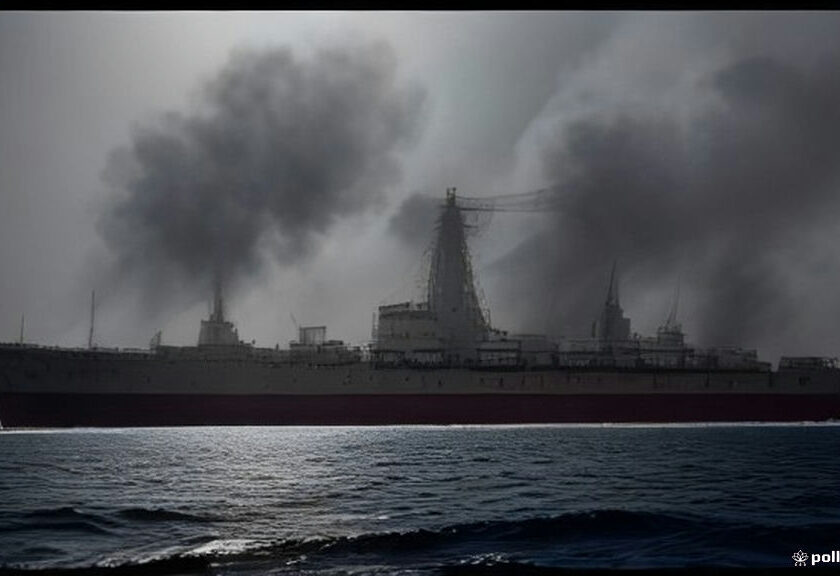
- Maritime security faced severe disruptions after a commercial tanker sustained damage from kinetic strikes, leading to the emergency evacuation of 21 Indian nationals.
- Despite active security challenges, recent global safety indices indicate that Saudi Arabia and neighboring Gulf territories maintain high public security ratings.
- Diplomatic channels remain active as international allies urge immediate de-escalation and restraint across the Arabian Peninsula.
Historical Context & Background
The geopolitical architecture of the Arabian Gulf has long been characterized by a delicate balance between deterrence and diplomatic engagement. Over the past decade, maritime trade routes traversing the Strait of Hormuz and the Persian Gulf have experienced recurring friction points. Strategic waterways vital for global energy supply chains frequently find themselves at the center of wider regional standoffs between Iran and Gulf Cooperation Council members, supported by international defense partnerships.
Security architectures in nations like Saudi Arabia, the United Arab Emirates, Bahrain, and Kuwait have evolved significantly in response to asymmetric warfare threats, including unmanned aerial vehicle (UAV) deployments and ballistic missile proliferation. Intelligence-sharing agreements and integrated air defense networks have become critical pillars for regional defense. However, the recent direct attribution of hostile acts to external actors represents a significant hardening of diplomatic stances across the peninsula.
Administrative Decisions & Ground Realities
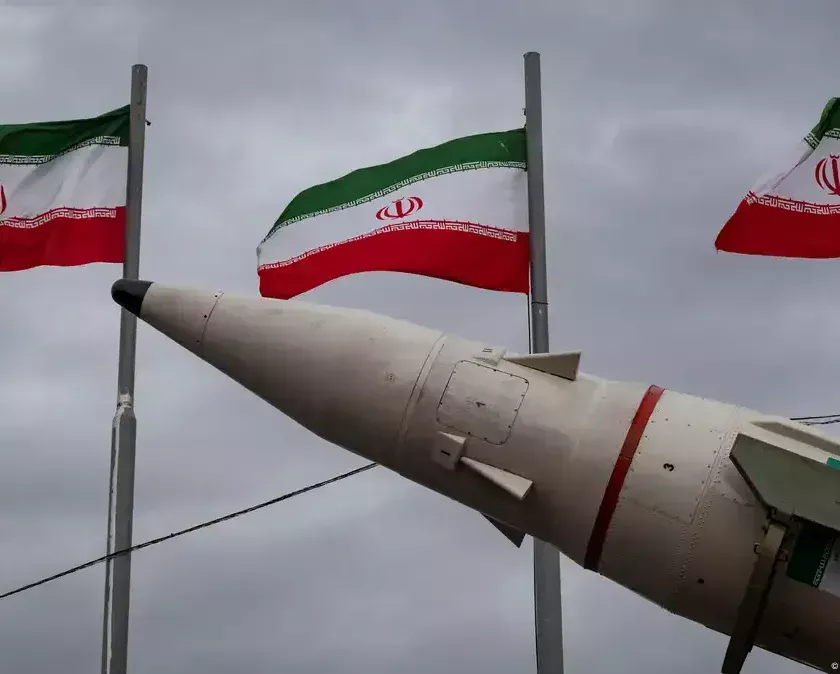
Recent ground developments reveal a rapid hardening of defensive measures following reported incursions. In Kuwait, security forces successfully countered and neutralized multiple incoming drone attacks, preventing structural damage and civilian casualties. Concurrently, government authorities in Bahrain formally accused Iranian military apparatuses of orchestrating direct attacks designed to destabilize domestic security and disrupt vital communication channels.
The maritime domain has also felt the immediate impact of these hostilities. A commercial oil tanker operating in regional waters suffered significant damage following an airborne strike, triggering a multinational emergency response. Quick-reaction teams successfully coordinated the safe evacuation of 21 Indian crew members aboard the stricken vessel, averting a potential humanitarian and environmental catastrophe.
Despite these high-profile incidents, comprehensive public safety surveys released this week position Saudi Arabia and other major Gulf economies among the safest nations globally. Analysts note that heavy investments in internal security, rigorous law enforcement, and advanced counter-terrorism measures continue to insulate domestic populations from widespread civil disruption, even as cross-border military tensions persist.
Local Impact & Community Perspectives
On the ground in Manama and Kuwait City, daily life proceeds under a heightened state of vigilance. Citizens and expatriates alike acknowledge the gravity of the intercepted aerial threats, yet local markets and commercial hubs continue to operate without widespread panic. Public confidence remains bolstered by rapid and transparent updates from national security ministries regarding defensive interceptions.
Expatriate communities, particularly the sizeable South Asian workforce residing across the Gulf, have closely monitored the situation following the successful evacuation of the targeted tanker crew. Consular offices in the region have established dedicated hotlines to assist nationals working in maritime and logistics sectors, ensuring that labor safety remains a paramount priority for both host governments and sending nations.
Strategic & Socio-Economic Ramifications
The economic implications of prolonged maritime instability extend far beyond the immediate coastline. Global energy markets reacted swiftly to news of the tanker strike, reflecting the vulnerability of crude oil transit corridors. Insurance premiums for commercial vessels navigating Gulf waters have experienced upward adjustments, prompting shipping conglomerates to review risk mitigation strategies.
At the same time, regional economic diversification programs, such as Saudi Vision 2030, depend heavily on maintaining a predictable investment climate. Consequently, Gulf leadership has adopted a dual-track strategy: maintaining robust, deterrent military readiness while actively engaging international partners to reinforce diplomatic pressure against state-sponsored non-state actions.
Chronological Timeline & Data Breakdown
| Date / Phase | Event Description | Location / Affected Party |
|---|---|---|
| Phase I | Aerial defense systems counter multiple incoming drone incursions. | Kuwait |
| Phase II | Formal condemnation issued following hostile attacks on territorial targets. | Bahrain & GCC Member States |
| Phase III | Commercial tanker struck by kinetic attack; 21 Indian nationals safely evacuated. | International Waters / Gulf Region |
The Road Ahead: Future Milestones
As diplomatic delegations prepare for upcoming emergency security summits, the primary objective remains the prevention of regional miscalculation. International mediation efforts led by regional intermediaries are focused on establishing stricter maritime de-confliction protocols. For the Gulf states, balancing active defense with diplomatic outreach will be essential to preserving regional stability through the remainder of the fiscal year.
Frequently Asked Questions (FAQ)
Why did Gulf nations issue formal condemnations against Iran?
Gulf nations condemned the actions following hostile drone incursions in Kuwait and direct attacks impacting Bahrain, viewing them as unacceptable violations of sovereignty and international law.
What happened to the crew members aboard the attacked tanker?
A specialized emergency evacuation operation successfully rescued 21 Indian nationals from the commercial tanker following kinetic strikes in regional waters.
How is regional safety rated despite ongoing military tensions?
Recent global safety surveys rank Saudi Arabia and other Gulf states among the world’s safest nations due to robust internal security measures and advanced civil defense infrastructure.