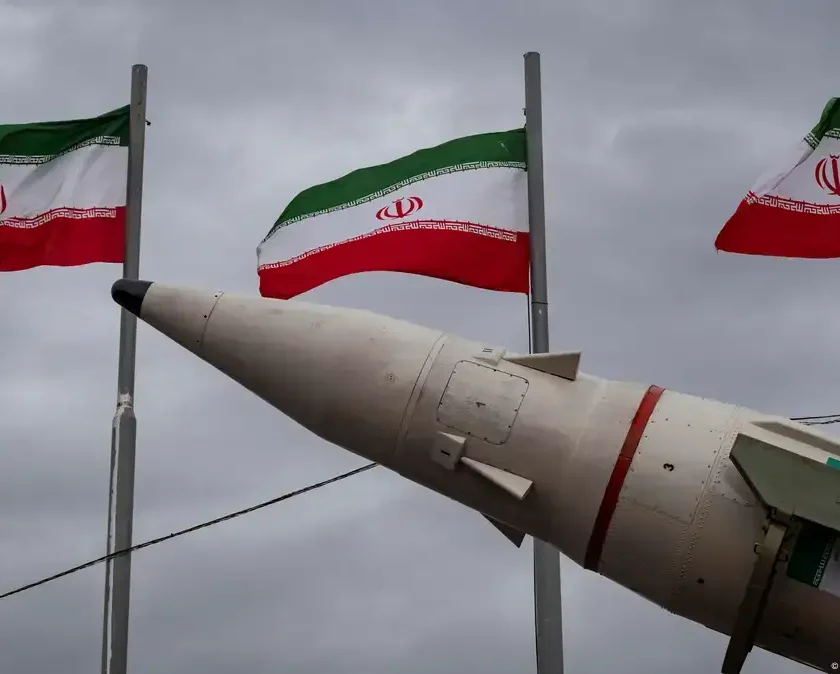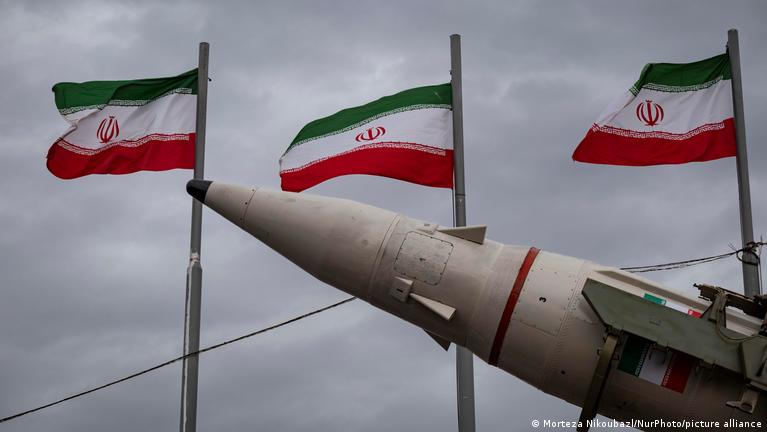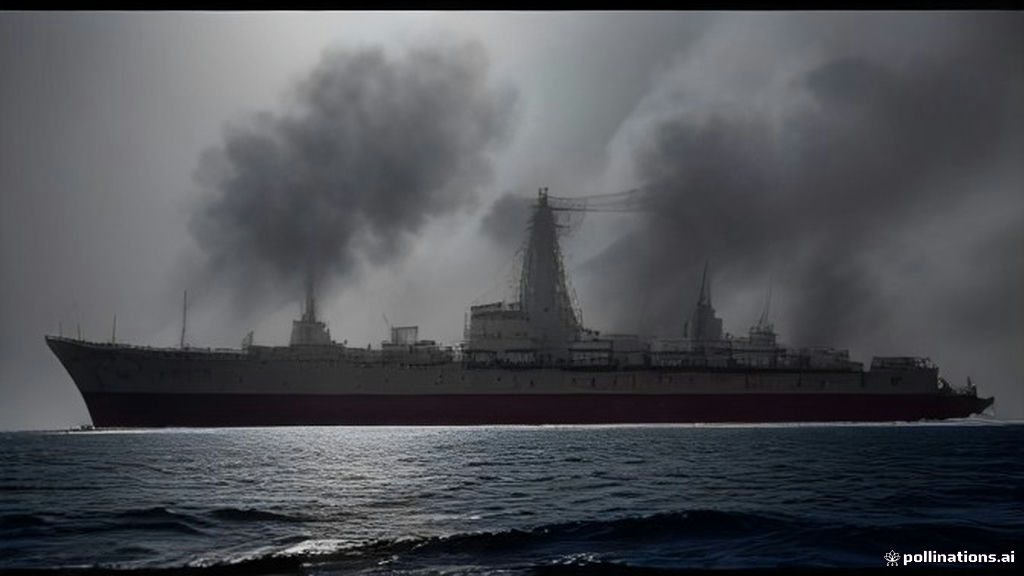
A sudden escalation in Persian Gulf tensions reached a perilous peak as Iranian military strikes targeted infrastructure in Bahrain, triggering sharp joint condemnations from Manama and Kuwait City while threatening international shipping lanes. Amid the widening military crossfire, emergency responders executed a dramatic maritime rescue, safely evacuating 21 Indian merchant mariners from a commercial oil tanker damaged during missile and drone volleys. Despite the aggressive field operations, strategic signaling from Tehran indicates that Iranian leadership is attempting to balance kinetic strikes against regional bases with an insistence that diplomatic channels toward a broader agreement with Washington remain accessible.
Executive Summary & Key Takeaways:
- Direct Strikes on Gulf Facilities: Iranian military assets launched targeted attacks against key installations in Bahrain, drawing immediate charges of hostility from both Bahrain and Kuwait.
- Critical Maritime Rescue: Emergency search-and-rescue teams successfully evacuated 21 Indian national crew members from an affected oil tanker in international Gulf waters.
- Dual-Track Iranian Strategy: Even while carrying out strategic strikes against host facilities, Tehran officially communicated that paths toward a diplomatic framework with the United States stay open.
- Regional Trade Threat: Energy transport routes through the Strait of Hormuz face renewed security warnings, pushing maritime insurance rates higher and destabilizing Gulf shipping logistics.
Historical Context & Background
The Persian Gulf has long served as a sensitive economic artery, where global commerce, oil exports, and intense geopolitical rivalries intersect. Bahrain hosts the United States Navy’s Fifth Fleet headquarters, making the kingdom a critical operational hub for international maritime security and a prominent lightning rod during heightening regional friction. Over recent decades, low-intensity proxy operations and covert maritime actions have periodically disrupted energy transit through the Strait of Hormuz.
The current confrontation represents an escalation from covert shadow warfare to open kinetic engagements against strategic installations. Both Bahrain and Kuwait have consistently aligned their defense architecture with regional stabilization efforts, viewing unilateral cross-border strikes as severe violations of sovereign territorial integrity. The involvement of foreign merchant vessels in these military exchanges underscores the vulnerability of international supply lines running through narrow Gulf sea lanes.
Administrative Decisions & Ground Realities
The immediate operational priority on the ground centered on emergency sea-rescue operations following strikes near active shipping channels. Maritime security operational centers received frantic distress signals after an oil tanker sustained structural damage during aerial strikes in the vicinity. Emergency tugs and naval search units intercepted the vessel, pulling 21 Indian crew members to safety without reported fatalities.
In response to the kinetic actions, officials in Manama and Kuwait City issued coordinated diplomatic statements condemning Tehran’s moves as explicit hostiles. Bahrain’s defense posture was elevated across naval and air-defense commands, while Kuwait’s foreign ministry warned that unchecked escalation endangers regional economic security. Conversely, Iranian diplomatic representatives reaffirmed that while retaliatory strikes demonstrate operational capability, political backchannels for broader negotiation with international powers remain active.
Local Impact & Community Perspectives
For the thousands of international workers serving aboard commercial fleets in the Gulf, the escalation presents an immediate physical hazard. Indian national mariners constitute a significant portion of the global merchant navy working in regional energy transit. News of the successful rescue brought immense relief to families in India, yet heightened anxiety across the widespread South Asian diaspora working throughout Gulf maritime logistics.
Civilian maritime authorities in major Gulf ports have instituted stricter convoy protocols and emergency readiness drills. Industry representatives point out that merchant crews are increasingly caught in military standoffs without adequate defensive measures, raising urgent calls for reinforced international naval escorts throughout key shipping corridors.
Strategic & Socio-Economic Ramifications
The economic fallout from targeting Gulf infrastructure extends well beyond immediate localized damage. Global oil markets reacted swiftly to news of tanker disruptions, driving up spot crude prices and prompting international shipping lines to reassess route safety across Middle Eastern waterways. Marine insurance syndicates have adjusted war-risk premiums upward for vessels transiting the Gulf, adding significant overhead costs to global energy distribution networks.
Strategically, Tehran’s dual stance—combining hard military strikes against Gulf targets with open diplomatic signals toward Washington—reflects a calculated posture designed to alter regional security equations without permanently shutting down economic or political negotiation options.
Chronological Timeline & Data Breakdown
| Date / Time Window | Incident Details | Strategic Impact |
|---|---|---|
| Phase 1: Initial Engagement | Iranian strikes target military-linked facilities in Bahrain. | Air defense systems activated across Gulf defense sectors. |
| Phase 2: Maritime Rescue | Strike hits commercial tanker; 21 Indian seafarers evacuated. | Shipping lanes issue high-risk navigation advisories. |
| Phase 3: Diplomatic Response | Bahrain & Kuwait officially denounce hostile strikes. | Tehran asserts political channels remain open for US talks. |
The Road Ahead: Future Milestones
Navigating the coming weeks will require careful diplomatic balancing from regional and global powers. International maritime coalitions are expected to expand security patrols across vital Gulf shipping passages to reassure global commercial operators. Meanwhile, diplomatic envoys from key neutral nations are attempting to build security guardrails that prevent accidental miscalculations from expanding into wider conflict.
The safety of foreign labor, particularly the crucial South Asian seafaring workforce, will depend heavily on international pressure to establish protected commercial corridors that insulate neutral shipping from active defense engagements.
Frequently Asked Questions (FAQ)
What caused the emergency evacuation of the 21 Indian crew members?
The 21 Indian sailors were aboard a commercial oil tanker in the Gulf that sustained damage during aerial strikes near critical sea lanes, requiring immediate intervention by emergency rescue teams.
How have regional governments in Bahrain and Kuwait responded?
Bahrain and Kuwait issued strong joint condemnations, characterizing the strikes as hostile aggression that directly destabilizes regional security and sovereign territorial integrity.
Is diplomacy between Tehran and Western powers completely halted?
No. Official communication from Tehran indicates that while military strikes were executed against specific regional targets, Iranian leadership intentionally keeps diplomatic pathways open regarding potential agreements with the United States.