Efforts to construct a cohesive economic bridge between Central Asia and South Asia are stalling against an inescapable geographical reality: any viable continental trade architecture requires an integrated, stable Afghanistan. Across Kabul, Tashkent, and Islamabad, regional economists and logistics strategists are raising alarms that bypassing this land-bridge nation inflates transportation costs, multiplies maritime transit days, and leaves ambitious regional energy initiatives suspended in uncertainty.
Executive Summary & Key Takeaways:
- Geographic Indispensability: Afghanistan remains the shortest, most cost-effective conduit linking resource-rich Central Asian republics to high-demand South Asian markets.
- Critical Projects on Hold: Multilateral flagship projects, including the Trans-Afghan Railway, CASA-1000 power transmission, and the TAPI gas pipeline, face persistent delays without formal diplomatic recognition and stable financing.
- Escalating Transit Costs: Rerouting regional cargo via maritime detours or volatile alternate border corridors adds up to 40 percent in transit expenditure for landlocked states.
- Border Friction Bottlenecks: Recurrent closures at key points such as Torkham and Spin Boldak disrupt supply chains, penalizing small enterprises and perishable goods exporters across the subcontinent.
Historical Context & Background
For centuries, the territory encompassing modern Afghanistan functioned as the vital hinge of the historic Silk Road, facilitating trade between the Eurasian steppes, the Persian plateau, and the Indus river basin. The modern post-colonial period, however, partitioned natural trade corridors through border disputes, cold war alignments, and decades of armed conflict.
Initiatives such as the Central Asia Regional Economic Cooperation (CAREC) program and the Regional Economic Cooperation Conference on Afghanistan (RECCA) attempted to revive this traditional bridge over the past two decades. Billions of dollars were pledged to turn the country into a roundabout for regional trade. Yet political instability repeatedly derailed implementation. Following the political transition in Kabul in August 2021 and the subsequent freeze on multilateral developmental funding from institutions like the Asian Development Bank and the World Bank, physical connectivity efforts experienced an abrupt structural fracture.
Administrative Decisions & Ground Realities
The de facto administration in Kabul has signaled an intense interest in repositioning Afghanistan as a commercial transit hub, seeking non-tax customs revenue to offset crippled foreign development aid. Kabul’s Ministry of Industry and Commerce has organized bilateral trade expos with delegations from Turkmenistan, Uzbekistan, and Kazakhstan, offering reduced customs tariffs on transit wheat, fuel, and raw materials.
Despite these overtures, administrative reality on the ground presents severe operational bottlenecks. International transport carriers face complicated banking channels due to sanctions, lack of standard international insurance coverage within Afghan borders, and unpredictable customs revisions. Furthermore, repeated political disputes between Kabul and Islamabad have shuttered primary border stations—including Torkham, Ghulam Khan, and Chaman—sometimes for weeks at a time, stranding thousands of freight containers and rotting millions of dollars worth of fresh produce.
Local Impact & Community Perspectives
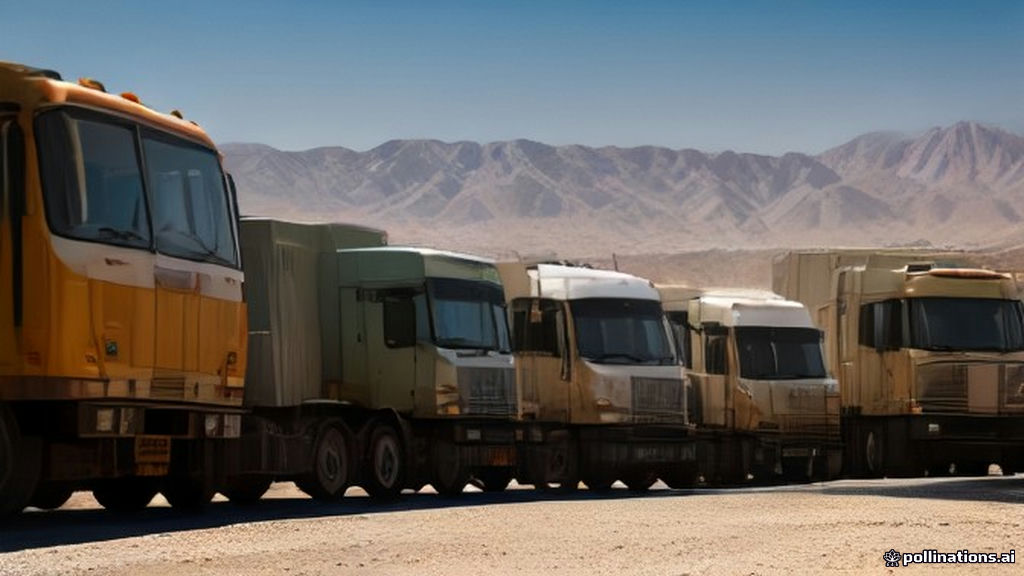
For independent logistics operators and cross-border commercial drivers, the geopolitical logjam translates into daily financial catastrophe. At the Hairatan border terminal bordering Uzbekistan, cargo containers frequently sit idle while logistics brokers coordinate clearance paperwork across non-standardized systems.
“Every extra day a truck sits parked waiting for clearance or border re-openings wipes out our margin,” explained Ghulam Farooq, a veteran freight coordinator operating between Mazar-i-Sharif and Peshawar. “Central Asian traders want direct access to the sea via Gwadar and Karachi. South Asian merchants want direct access to Uzbek cotton and Kazakh grain. We are separated by just hundreds of kilometers of road, yet we are forced to treat the journey like an expedition through unmapped territory.”
Small-scale agricultural producers across surrounding nations suffer equal damage. Citrus exporters from Pakistan and dried fruit merchants from Kandahar find themselves priced out of target markets due to sudden freight inflation and demurrage fees assessed during arbitrary border standoffs.
Strategic & Socio-Economic Ramifications
Excluding Afghanistan from broader regional frameworks creates deep strategic distortions across Eurasia. For landlocked Central Asian nations—Uzbekistan, Tajikistan, and Turkmenistan—access to warm-water ports on the Indian Ocean represents the only hedge against economic overdependence on northern transit routes through Russia or eastern routes through China.
The proposed Trans-Afghan Railway—a 760-kilometer track projected to run from Termez via Kabul to Peshawar—carries the potential to slash cargo transport times between Central Asia and the Arabian Sea from thirty-five days down to less than a week. The project would lower shipping costs by nearly thirty-five percent. When such links stall, Central Asian producers face depressed export values, while energy-starved South Asian economies continue to endure brownouts that could otherwise be resolved by the CASA-1000 electricity project or the Turkmenistan-Afghanistan-Pakistan-India (TAPI) pipeline.
Chronological Timeline & Data Breakdown
| Year | Corridor / Project | Status | Primary Challenge |
|---|---|---|---|
| 2016 | CASA-1000 (Electricity) | Construction paused in Afghan sectors | Multilateral donor freeze, institutional vacuums |
| 2018 | TAPI Natural Gas Pipeline | Turkmen section built; Afghan sector stalled | Project financing, security protocols, sanctions |
| 2021 | Trans-Afghan Railway Accord | Route surveys initiated intermittently | Estimated $6 billion capital deficit, terrain hurdles |
| 2023–2024 | Bilateral Transit Protocols | Active with high friction rates | Border closures, security incidents, tariff revisions |
The Road Ahead: Future Milestones
Regional leaders are gingerly exploring workable compromise models. Uzbekistan has adopted a posture of pragmatic technical engagement, sending railway engineers and technical delegations to maintain the short stretch from Hairatan to Mazar-i-Sharif. Kazakhstan has renewed high-level commercial missions to Kabul, prioritizing wheat exports and exploring mineral concessions.
The turning point for continental integration relies on two primary milestones: securing a sustainable framework for transit security guarantees recognized by neighboring capitals, and creating technical financing mechanisms outside direct political recognition. Until international lending agencies can legally re-engage with infrastructure construction within Afghan territory, bilateral state-backed financing represents the sole, albeit limited, engine keeping connectivity proposals alive.
Frequently Asked Questions (FAQ)
Why is Afghanistan critical to Central and South Asian trade?
Afghanistan occupies the direct overland corridor connecting landlocked Central Asian states with ports on the Indian Ocean. Alternative transit paths require circumnavigating thousands of additional kilometers through maritime waters or across the Caucasus, vastly increasing logistical costs and transit days.
What major infrastructure projects depend on Afghan territory?
Key initiatives include the Trans-Afghan Railway (linking Uzbekistan, Afghanistan, and Pakistan), the TAPI gas pipeline (Turkmenistan-Afghanistan-Pakistan-India), and CASA-1000, designed to export surplus hydropower from Kyrgyzstan and Tajikistan southward.
What are the primary hurdles preventing project completion?
The chief obstacles are diplomatic non-recognition of the Kabul administration, international sanctions that block conventional banking transactions, suspended loans from multilateral development banks, and frequent border skirmishes that interrupt transit flows.