Proposed Maritime Arrangement Could Restore Global Shipping While Preserving Iran’s Strategic Role
By: Javid Amin | 05 Aug 2025
Iran and Oman Reportedly Discuss Framework to Reopen Strait of Hormuz
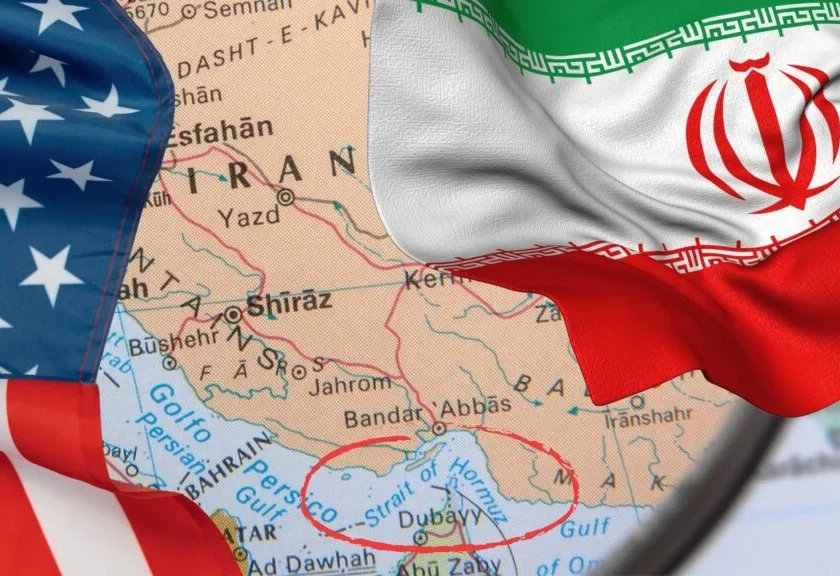
Iran and Oman are reportedly working on a proposal to reopen the Strait of Hormuz, one of the world’s most strategically important maritime corridors, as regional tensions continue to threaten global energy supplies.
According to regional officials cited by the Associated Press, the two countries are discussing a framework that would establish separate maritime corridors for vessels entering and leaving the Persian Gulf. The proposal is aimed at restoring commercial shipping while reducing the risk of confrontation in one of the world’s busiest energy transit routes.
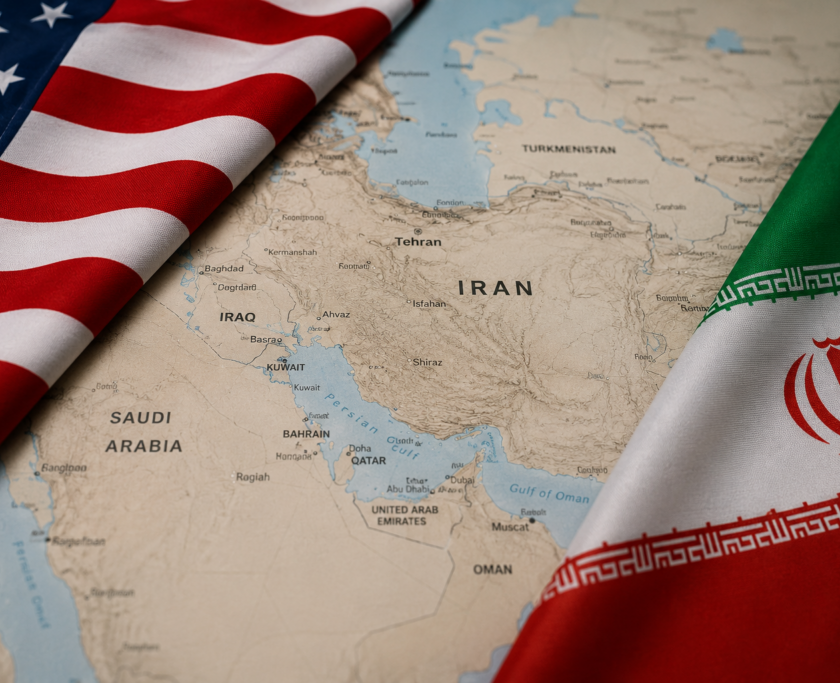
The reported initiative comes at a time of heightened geopolitical tensions across the Gulf, with concerns over military escalation, disrupted shipping and volatility in international oil markets.
Proposed Maritime Corridor Would Divide Entry and Exit Routes
Under the reported framework, commercial vessels entering the Persian Gulf would travel through a navigation corridor overseen by Iran.
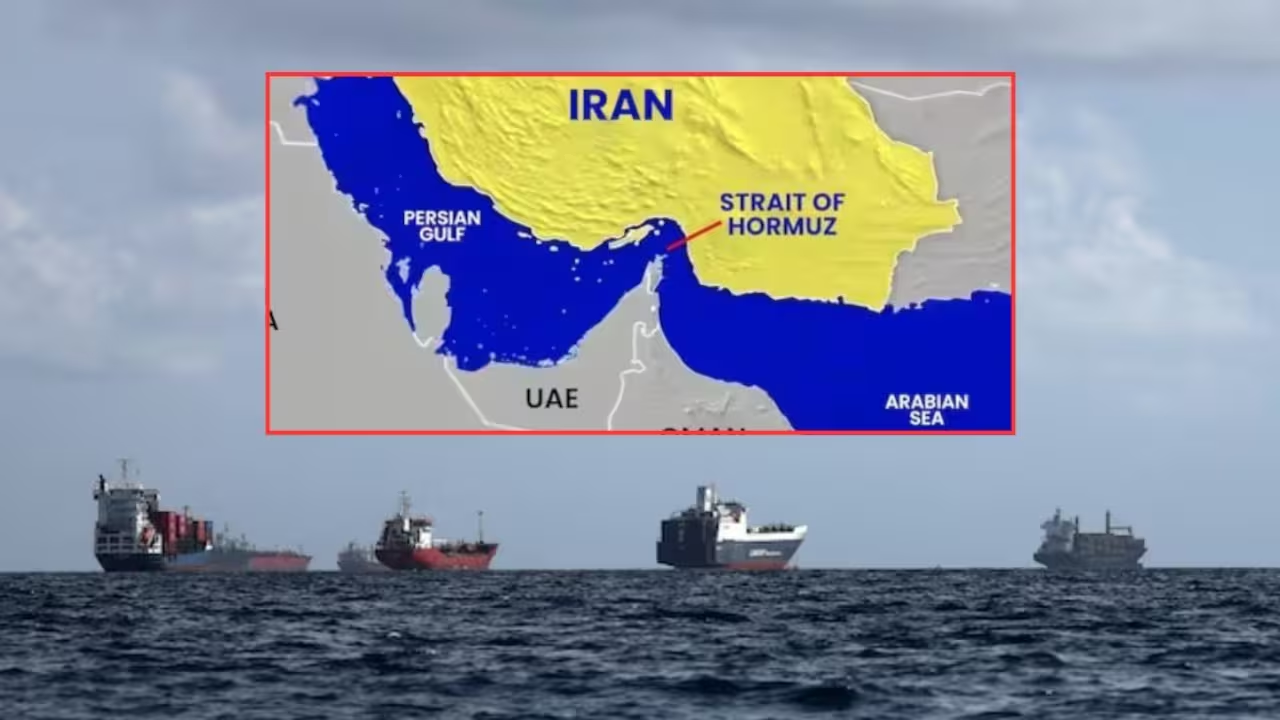
Ships departing the Gulf would instead use a separate route managed by Oman, whose territory includes the strategically located Musandam Peninsula, overlooking the southern side of the Strait of Hormuz.
The arrangement is intended to create a structured maritime system that balances Iran’s security concerns with Oman’s long-standing role as a neutral regional mediator.
If implemented, the proposal could reduce navigational risks while allowing commercial shipping to resume under coordinated regional oversight.
Why the Strait of Hormuz Matters
The Strait of Hormuz is widely regarded as one of the most important energy chokepoints in the world.
Approximately one-fifth of global seaborne crude oil and a significant share of liquefied natural gas exports pass through the narrow waterway connecting the Persian Gulf with the Gulf of Oman and the Arabian Sea.
Any disruption to shipping through the strait has immediate consequences for:
- Global oil supplies.
- International energy prices.
- Shipping insurance costs.
- Maritime trade routes.
- Inflation and fuel prices worldwide.
Because of its strategic importance, developments in the Strait of Hormuz are closely monitored by governments, financial markets and the global shipping industry.
Iran Seeks Strategic Leverage While Avoiding Prolonged Disruption
The reported negotiations reflect Iran’s effort to maintain its strategic influence over one of the world’s most sensitive waterways while avoiding a prolonged interruption to commercial shipping.
Tehran has repeatedly described the Strait of Hormuz as central to its national security interests and has previously warned that continued military pressure could affect maritime traffic.
Under the proposed arrangement, Iran would retain a visible role in managing inbound shipping, preserving its strategic presence while potentially reducing tensions with international shipping operators.
Oman Continues Its Role as a Regional Mediator
Oman has historically maintained balanced relations with competing regional powers and has frequently acted as an intermediary during periods of heightened tension.
Its control of territory overlooking the southern approaches to the Strait of Hormuz gives Muscat a unique geographical and diplomatic position.
By managing outbound shipping routes under the reported proposal, Oman could help reassure international shipping companies while reinforcing its reputation as a neutral facilitator of regional dialogue.
The country’s involvement may also improve confidence among commercial operators concerned about maritime security.
Oil Markets Closely Watch Hormuz Developments
Global energy markets remain highly sensitive to events surrounding the Strait of Hormuz.
Recent geopolitical tensions have contributed to sharp movements in crude oil prices as traders assess the possibility of supply disruptions affecting exports from Gulf producers.
A credible agreement that restores safe navigation could help stabilize market sentiment, reduce shipping risks and ease pressure on energy prices.
However, analysts caution that investor confidence will depend not only on reopening the waterway but also on broader regional security conditions.
Regional Governments Monitor the Proposal
The reported framework is being watched closely across the Gulf.
Countries including Saudi Arabia, the United Arab Emirates and other regional partners have significant economic interests tied to uninterrupted maritime trade through the Strait of Hormuz.
Any arrangement affecting navigation through the waterway would have implications for regional security cooperation, commercial shipping and energy exports.
Governments are therefore expected to carefully assess both the operational details and the broader diplomatic implications of any final agreement.
Key Developments at a Glance
| Aspect | Latest Development | Potential Impact |
|---|---|---|
| Strait of Hormuz | Iran and Oman reportedly negotiating a reopening framework | Could restore commercial shipping |
| Entry Route | Inbound vessels would reportedly transit through an Iranian-managed corridor | Preserves Iran’s strategic role |
| Exit Route | Outbound vessels would reportedly use an Omani-managed corridor | Provides an alternative maritime route |
| Oman | Positioned as a neutral facilitator | May strengthen confidence in navigation safety |
| Global Markets | Oil prices remain volatile amid uncertainty | Agreement could ease pressure on energy markets |
Challenges That Could Affect the Agreement
Diplomatic Fragility
The reported proposal remains dependent on broader regional diplomacy. Any deterioration in relations between Iran and the United States or its regional partners could delay or derail implementation.
Maritime Security Risks
Even with agreed navigation corridors, isolated military incidents or miscalculations at sea could quickly undermine confidence in the arrangement.
Energy Market Uncertainty
Oil markets are likely to remain volatile until shipping movements normalize and traders gain confidence that the Strait of Hormuz will remain open.
Broader Regional Stability
Long-term maritime security ultimately depends on wider progress in addressing regional conflicts, military tensions and outstanding diplomatic disputes.
Outlook
The reported Iran–Oman initiative represents a potentially important step toward restoring confidence in one of the world’s most critical maritime trade routes.
If finalized, the proposal could provide a practical mechanism for resuming commercial shipping while balancing Iran’s strategic interests with Oman’s role as a trusted regional mediator. Such an arrangement could help reduce immediate concerns over energy supplies and ease pressure on global oil markets.
However, any reopening of the Strait of Hormuz is likely to remain closely tied to the broader geopolitical environment. Lasting stability will depend not only on maritime coordination but also on sustained diplomatic engagement over regional security, military de-escalation and wider negotiations involving Iran and other international stakeholders.