Kathua Pilgrim Bus Plunges Into Gorge, Injuring 23: Fresh Questions Raised Over Road Safety on Hill Routes
By: Javid Amin | 24 June 2026
Pilgrimage Journey Turns Into Nightmare in Kathua’s Mountainous Terrain
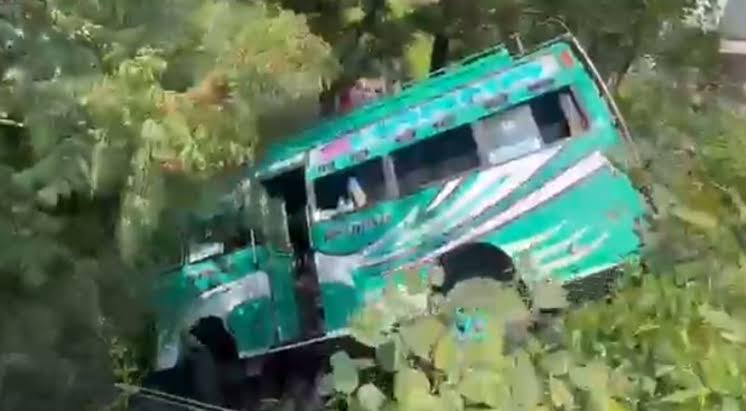
A pilgrimage trip turned tragic in Jammu and Kashmir’s Kathua district when a mini bus carrying devotees skidded off a mountainous road and plunged into a gorge near Bani, leaving 23 people injured, several of them critically.
The accident has once again drawn attention to the dangers associated with travel on hilly roads in the Union Territory, particularly during the pilgrimage season when thousands of devotees undertake journeys to shrines located in remote and mountainous regions.
As rescue teams battled difficult terrain to reach the crash site, local residents joined emergency personnel in a race against time to save lives and evacuate the injured.
The incident has not only shocked the region but has also reignited debate over road infrastructure, vehicle safety standards, and emergency response capabilities in Jammu and Kashmir’s mountainous districts.
How the Accident Happened
According to preliminary reports, the mini bus was carrying pilgrims to a shrine in the Bani belt of Kathua district when it reportedly lost control and veered off the road before plunging into a gorge.
The exact circumstances leading to the accident are still under investigation. However, officials suspect a combination of factors including difficult road conditions, sharp bends, and challenging terrain that characterize many routes in the mountainous areas of Jammu and Kashmir.
Witnesses reported hearing cries for help from the gorge moments after the crash, prompting immediate rescue efforts by locals who rushed to the scene before emergency services arrived.
Given the steep terrain and limited accessibility, rescuers faced considerable challenges in reaching the damaged vehicle and extracting passengers trapped inside.
Massive Rescue Operation Saves Lives
One of the most remarkable aspects of the tragedy was the swift response mounted by local communities and emergency agencies.
Villagers Become First Responders
Residents living near the accident site were among the first to reach the gorge.
Ignoring personal risk, villagers descended steep slopes to assist survivors and provide immediate support until professional rescue teams arrived.
In many remote areas of Jammu and Kashmir, local residents often serve as the first line of emergency response due to difficult terrain and travel times.
SDRF and Police Teams Mobilized
Soon after receiving information about the accident, police personnel and teams from the State Disaster Response Force (SDRF) launched a coordinated rescue operation.
Rescue workers used ropes, stretchers, and specialized equipment to evacuate injured passengers from the gorge.
The operation continued for several hours as authorities ensured that all passengers were accounted for and safely transported for medical treatment.
Injured Shifted to Hospitals for Treatment
Following the rescue operation, the injured pilgrims were rushed to nearby medical facilities.
Those with relatively minor injuries were initially treated at local healthcare centres before being shifted to higher medical institutions.
Several seriously injured passengers were referred to:
- District Hospital Kathua
- Government Medical College (GMC) Jammu
Doctors are monitoring the condition of critically injured patients, many of whom suffered fractures, head injuries, and trauma caused by the impact of the fall.
Health officials have assured that all necessary medical care is being provided to the victims.
Pilgrimage Season Brings Increased Traffic Risks
The accident comes during a period when roads across the Jammu region witness a substantial increase in pilgrim movement.
Seasonal Surge in Devotee Travel
Every year, thousands of devotees travel to temples and shrines located in the hilly districts of Jammu and Kashmir.
Routes leading to pilgrimage destinations often experience:
- Heavy traffic
- Overcrowded vehicles
- Long-distance journeys
- Difficult driving conditions
This seasonal increase significantly raises the risk of road accidents, particularly on narrow mountain roads.
Long Hours and Driver Fatigue
Transport experts note that many pilgrimage-related accidents are linked to driver fatigue, prolonged travel hours, and the pressure of completing multiple trips during peak religious seasons.
Although authorities have not confirmed whether fatigue played a role in the Kathua accident, investigators are examining all possible causes.
Road Safety Challenges in Jammu and Kashmir’s Hill Districts
The Bani accident highlights broader road safety concerns that have persisted across mountainous districts for years.
Dangerous Curves and Steep Slopes
Many roads in the region pass through rugged terrain marked by:
- Sharp hairpin bends
- Steep gradients
- Narrow carriageways
- Deep gorges
Even a minor driving error can have catastrophic consequences.
Weather-Related Hazards
Road conditions become even more dangerous during the monsoon season.
Rainfall often leads to:
- Reduced visibility
- Slippery road surfaces
- Landslides
- Falling rocks
- Road erosion
As monsoon activity intensifies across northern India, experts warn that accident risks are likely to increase further.
Limited Protective Infrastructure
Many mountain roads continue to lack adequate safety infrastructure such as:
- Crash barriers
- Guardrails
- Reflective road markings
- Warning signage
- Emergency lay-bys
Safety advocates argue that strengthening these features could significantly reduce fatalities and injuries.
Infrastructure Gaps Continue to Pose Risks
Despite substantial investments in road development across Jammu and Kashmir over the last decade, infrastructure challenges remain in remote regions.
Connectivity vs Safety
While road connectivity has improved, safety upgrades have not always kept pace.
Experts point out that widening roads alone is insufficient unless accompanied by:
- Protective barriers
- Slope stabilization
- Drainage systems
- Regular maintenance
Need for Continuous Monitoring
Road conditions can deteriorate rapidly in mountainous areas due to rainfall, landslides, and seasonal weather changes.
Regular inspections and preventive maintenance are therefore critical for ensuring safe travel.
The Kathua accident serves as a reminder that infrastructure development must prioritize both accessibility and safety.
Emergency Healthcare Challenges in Remote Areas
The tragedy has also highlighted the difficulties associated with emergency medical response in remote hill districts.
Golden Hour Concerns
Trauma specialists emphasize the importance of the “golden hour” — the first sixty minutes following a serious injury.
In mountainous regions, reaching advanced medical facilities often takes significantly longer due to:
- Difficult terrain
- Distance from hospitals
- Limited ambulance availability
- Traffic bottlenecks
Need for Better Trauma Networks
Experts have repeatedly called for:
- More trauma stabilization centres
- Improved ambulance networks
- Air evacuation capabilities
- Better-equipped rural hospitals
Strengthening emergency healthcare infrastructure could improve survival rates in future accidents.
Authorities Order Inquiry
Following the incident, authorities have ordered an investigation to determine the precise cause of the crash.
The inquiry is expected to examine:
Vehicle Condition
Investigators will assess whether mechanical failure contributed to the accident.
Driver Responsibility
Officials are likely to review the driver’s actions, training, and compliance with safety regulations.
Road Conditions
The condition of the accident-prone stretch will also come under scrutiny.
Passenger Safety Compliance
Authorities may investigate whether the vehicle was operating within its approved passenger capacity and whether all required safety measures were in place.
The findings could influence future policy decisions regarding transport operations on pilgrimage routes.
A Wake-Up Call for Road Safety Reforms
Road accidents remain one of the most persistent public safety challenges in Jammu and Kashmir’s mountainous regions.
Each year, dozens of lives are lost in crashes involving buses, mini buses, taxis, and private vehicles travelling through difficult terrain.
Experts believe reducing such incidents requires a multi-pronged strategy involving:
- Stricter vehicle fitness inspections
- Advanced driver training
- Installation of guardrails
- Real-time weather monitoring
- Improved emergency response systems
- Stronger enforcement of traffic regulations
The Kathua accident underscores the urgent need to move beyond reactive responses and adopt long-term preventive measures.
Conclusion
The accident near Bani in Kathua district has left 23 pilgrims injured and once again exposed the vulnerabilities associated with travel on Jammu and Kashmir’s mountainous roads. While the swift response of villagers, police personnel, and SDRF teams helped prevent an even greater tragedy, the incident raises important questions about road safety, infrastructure readiness, and emergency preparedness.
As authorities investigate the causes of the crash, the focus will increasingly shift toward preventing similar incidents in the future. For many residents and travellers, the tragedy serves as a stark reminder that improving road safety on pilgrimage routes is not merely a transportation issue—it is a matter of saving lives.