US-Iran Talks Face New Test as Tehran Rejects Vance’s Nuclear Inspection Claim
By: Javid Amin | 23 June 2026
Conflicting Statements Reveal Fragility of Emerging Diplomatic Process
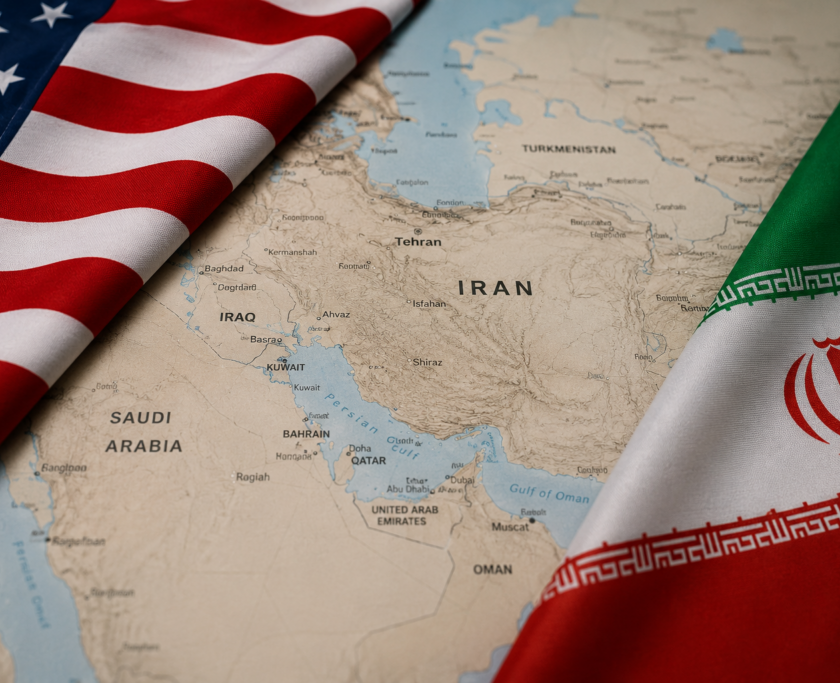
Just days after the United States and Iran resumed rare direct negotiations, conflicting public statements from both sides have exposed the deep mistrust that continues to shadow the diplomatic process.
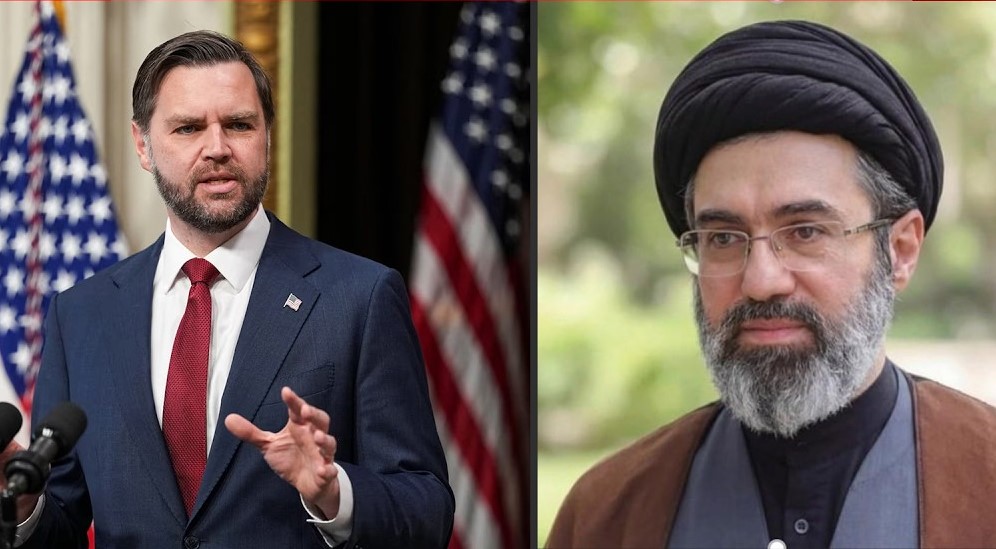
The latest controversy erupted after US Vice President J.D. Vance suggested that Iran had shown a willingness to permit international nuclear inspections during discussions in Muscat, Oman. Presenting the talks as a positive step forward, Vance argued that such a move could provide the foundation for a broader agreement aimed at ending months of conflict and addressing concerns surrounding Tehran’s nuclear programme.
However, Iranian officials quickly pushed back, insisting that no such agreement had been reached and warning against portraying preliminary discussions as a formal diplomatic breakthrough.
The dispute may appear procedural on the surface, but it underscores a much larger reality: despite growing international hopes for de-escalation, Washington and Tehran remain far apart on several critical issues.
What Exactly Did J.D. Vance Say?
Washington Signals Growing Optimism
Speaking after the Muscat talks, Vance described the discussions as constructive and suggested that Iran’s apparent openness to discussing inspections represented meaningful progress.
According to the American position, negotiations have begun exploring practical mechanisms that could eventually:
- Increase transparency around Iran’s nuclear activities.
- Build confidence between both sides.
- Reduce the risk of future military confrontation.
- Create a pathway toward a longer-term settlement.
For Washington, even preliminary discussions about inspections are being viewed as evidence that diplomacy is beginning to produce results after months of military escalation.
The comments were quickly interpreted by many observers as a sign that the negotiations were moving beyond simple confidence-building measures toward substantive issues.
Tehran Pushes Back Immediately
Iranian Officials Reject Claims of Any Agreement
Iran’s response was swift and unequivocal.
Officials in Tehran rejected suggestions that any inspection arrangement had been accepted, stressing that discussions remain exploratory and that no binding commitments have been made.
The Iranian position appears driven by several factors:
Maintaining Negotiating Leverage
Publicly acknowledging concessions before a formal agreement could weaken Tehran’s bargaining position.
Managing Domestic Politics
Iranian leaders face pressure from conservative factions that remain deeply sceptical of American intentions.
Controlling the Diplomatic Narrative
By rejecting claims of progress, Tehran retains flexibility as negotiations continue.
Iranian officials have repeatedly emphasised that discussions should not be confused with agreements and that any final arrangement would require detailed negotiations and reciprocal commitments.
Why Nuclear Inspections Matter
Central Element of Any Future Agreement
The controversy surrounding inspections highlights their importance in the broader nuclear dispute.
For years, international concerns have focused on:
- Uranium enrichment activities.
- Nuclear research programmes.
- Verification mechanisms.
- Compliance with international obligations.
- Transparency regarding nuclear facilities.
The United States and its allies consider inspections essential for ensuring that any future agreement can be independently verified.
Iran, meanwhile, has historically viewed extensive inspection regimes as politically sensitive, particularly when they are perceived as infringing upon national sovereignty.
As a result, inspections remain one of the most contentious aspects of any negotiation.
The Battle Over Public Perception
Competing Narratives Reflect Deeper Strategic Differences
The disagreement between Washington and Tehran is not simply about inspections.
It is also about who controls the narrative surrounding the talks.
The United States appears eager to demonstrate that diplomacy is producing measurable results.
Such messaging helps:
- Reassure international partners.
- Strengthen support for negotiations.
- Reduce market uncertainty.
- Build momentum for future talks.
Iran, however, has different incentives.
Tehran wants to avoid appearing as though it is negotiating from a position of weakness following months of conflict and economic pressure.
Consequently, both sides are presenting the same discussions in markedly different ways.
A Familiar Pattern in US-Iran Diplomacy
Public Disagreements Often Accompany Private Negotiations
Veteran observers of US-Iran relations note that such contradictions are not unusual.
Throughout previous rounds of diplomacy, both countries frequently issued conflicting public statements while continuing negotiations behind closed doors.
This pattern reflects:
- Deep mutual mistrust.
- Domestic political considerations.
- Strategic communication objectives.
- Different interpretations of negotiating progress.
In many cases, public disagreements have not prevented talks from continuing.
However, they can complicate efforts to build confidence and maintain momentum.
Global Markets Watching Every Signal
Energy Traders Seeking Clarity
The diplomatic uncertainty is being closely monitored by global financial and energy markets.
The broader negotiations are linked to several issues with global economic significance, including:
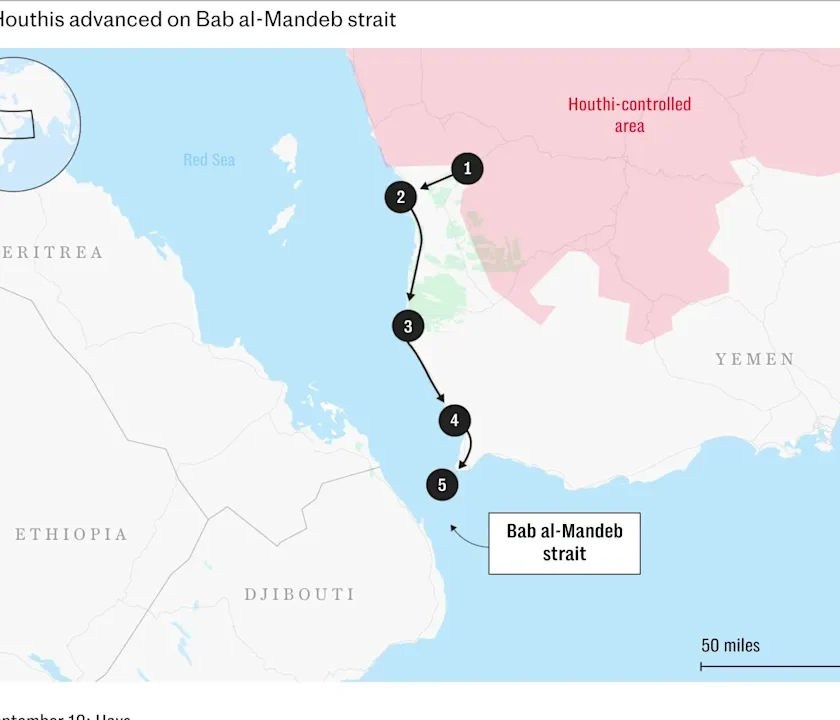
- Stability in the Strait of Hormuz.
- Regional security.
- Oil exports.
- Maritime trade.
- Sanctions policy.
Any indication of progress tends to ease market concerns, while signs of disagreement can trigger renewed uncertainty.
Although oil markets have remained relatively stable in recent days, traders continue to assess whether diplomatic efforts will ultimately produce tangible outcomes.
Challenges Facing the Peace Process
Trust Deficit Remains the Biggest Obstacle
Despite the willingness of both sides to engage directly, several challenges remain unresolved.
Verification Frameworks
Questions persist over how any future commitments would be monitored.
Sanctions Relief
Iran continues to seek meaningful economic benefits.
Regional Security Issues
Conflicts involving Lebanon, Gaza and Gulf maritime routes remain active concerns.
Domestic Opposition
Political hardliners in both countries remain wary of compromise.
These factors mean that negotiations remain vulnerable to disruption.
What Happens Next?
Diplomacy Continues Despite Public Disagreement
The most important takeaway from the latest controversy is that talks have not collapsed.
Both Washington and Tehran continue to engage through diplomatic channels, and neither side has indicated a desire to abandon negotiations.
Future rounds of talks are expected to focus on:
- Nuclear transparency measures.
- Inspection mechanisms.
- Regional de-escalation.
- Maritime security.
- Confidence-building initiatives.
Whether progress can be achieved will depend on narrowing the gap between public rhetoric and private negotiations.
Conclusion: Progress Exists, But Expectations Must Be Managed
The dispute over J.D. Vance’s remarks illustrates both the promise and the fragility of the current US-Iran diplomatic process.
Washington sees discussion of nuclear inspections as evidence that negotiations are moving forward. Tehran insists that no agreement exists and that talks remain at an early stage.
Both statements can be true simultaneously.
Negotiations often involve exploring ideas long before formal commitments are made. The fact that inspections are reportedly being discussed suggests movement, but Iran’s denial demonstrates that substantial differences remain.
For now, the episode serves as a reminder that diplomacy between longtime adversaries rarely advances in a straight line. While the path toward a comprehensive agreement remains uncertain, the continuation of direct dialogue itself represents one of the most significant developments in US-Iran relations in years.
The challenge ahead is transforming cautious conversation into durable commitments—without allowing mistrust, political pressures or renewed violence to derail the process.