US-Iran Nuclear Talks Collapse as Lebanon Fighting Threatens Fragile Peace Process
By: Javid Amin | 19 June 2026
New Violence in Lebanon Delivers Major Blow to Diplomatic Efforts
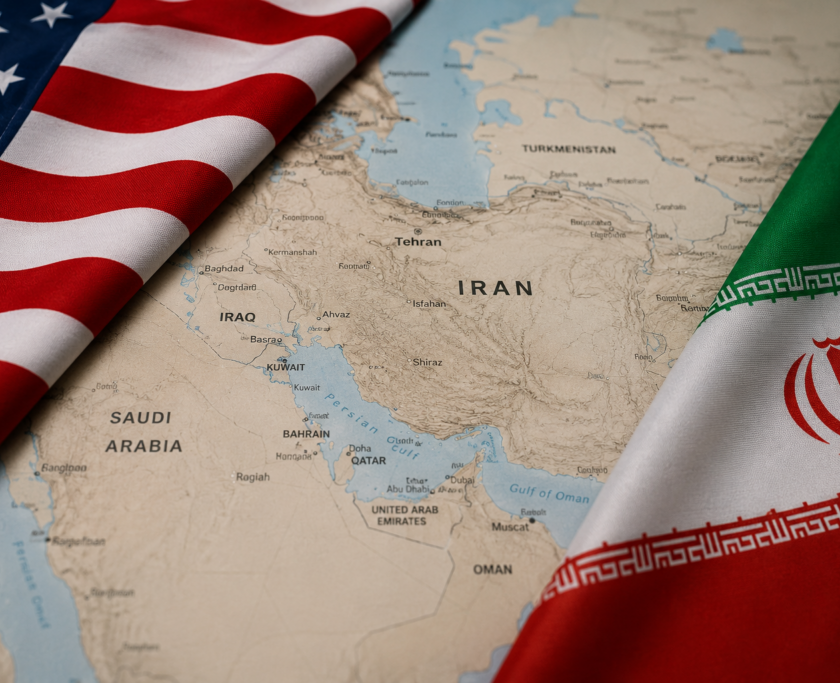
A fresh outbreak of violence in Lebanon has derailed high-stakes negotiations between the United States and Iran, exposing the fragility of the recently signed peace framework and raising fears that the wider Middle East conflict could once again spiral out of control.
The talks, which were scheduled to take place in Switzerland, were intended to launch the next phase of diplomacy following the recently signed US-Iran memorandum of understanding. Their primary objective was to address Iran’s nuclear programme—the central issue that fueled months of confrontation between Washington, Tehran and their regional allies.
However, renewed clashes between Israel and Hezbollah in southern Lebanon forced negotiators to suspend the meetings, with Iranian officials insisting that military operations in Lebanon must stop before meaningful diplomatic engagement can continue.
The development highlights how interconnected the region’s conflicts have become, where fighting on one front can quickly undermine progress elsewhere.
What Happened?
Switzerland Talks Postponed Before They Could Begin
The first round of post-agreement negotiations was expected to begin in Switzerland and focus on implementing the terms of the recently signed peace framework between Washington and Tehran.
The discussions were expected to cover:
- Iran’s nuclear activities.
- Future uranium enrichment limits.
- Monitoring and verification mechanisms.
- Regional security arrangements.
- Long-term implementation of the ceasefire framework.
Instead, escalating violence in Lebanon forced a postponement.
According to multiple reports, Iranian representatives declined to travel while fighting continued, arguing that Lebanon was part of the broader ceasefire understanding and that continued military action undermined trust in the diplomatic process.
US officials have indicated that negotiations remain on the agenda, but no firm timetable has been announced.
Lebanon Emerges as the Weakest Link in the Peace Process
Hezbollah-Israel Clashes Trigger Diplomatic Crisis
The immediate trigger for the cancellation was a deadly escalation between Hezbollah and Israeli forces.
Recent exchanges included:
- Hezbollah attacks on Israeli military positions.
- Israeli retaliatory airstrikes across southern Lebanon.
- Civilian casualties and infrastructure damage.
- Renewed tensions over ceasefire implementation.
The fighting quickly evolved from a localised security incident into a regional diplomatic problem because Lebanon had already become tied to broader US-Iran negotiations.
Analysts have repeatedly warned that Lebanon could become the ultimate test of whether any US-Iran understanding can survive beyond the signing stage.
Iran’s Nuclear Programme Remains the Core Issue
The Main Source of Tension Remains Unresolved
Despite headlines focusing on Lebanon, the central dispute remains Iran’s nuclear programme.
The postponed talks were intended to tackle some of the most sensitive issues facing negotiators:
Uranium Enrichment
Washington wants tighter restrictions on enrichment activities.
Verification Mechanisms
International monitoring remains a critical point of disagreement.
Nuclear Infrastructure
Questions remain over how much of Iran’s existing programme would be preserved.
Long-Term Compliance
Both sides continue to seek guarantees that commitments will be honoured.
With negotiations now delayed, these issues remain unresolved, prolonging uncertainty for regional and global security planners.
Why This Matters Beyond Lebanon
Regional Conflict Risks Expanding Further
The cancellation of talks has implications far beyond the immediate parties involved.
Diplomats fear that prolonged delays could create a dangerous diplomatic vacuum.
Several risks are now emerging:
| Risk | Potential Impact |
|---|---|
| Diplomatic Freeze | Delays progress on nuclear negotiations |
| Lebanon Escalation | Increased Israel-Hezbollah confrontation |
| Iran-US Tensions | Reduced trust between negotiators |
| Energy Markets | Renewed pressure on oil and gas prices |
| Regional Stability | Greater risk of multi-front conflict |
The concern among international mediators is that every additional military escalation makes diplomatic compromise more difficult.
Energy Markets and Global Trade Watching Closely
Hormuz Stability Remains Linked to Negotiations
The broader peace framework was designed not only to address nuclear concerns but also to stabilise regional trade routes and energy supplies.
One major objective was restoring confidence in maritime traffic through the Strait of Hormuz, a critical artery for global oil and gas shipments.
Any prolonged diplomatic breakdown could revive concerns about:
- Shipping security.
- Energy supply disruptions.
- Oil price volatility.
- Global inflation pressures.
Although the waterway remains operational, uncertainty surrounding negotiations continues to weigh on market sentiment.
Mediators Face Growing Challenge
International Efforts Continue Behind the Scenes
Despite the setback, diplomatic efforts have not ended.
Countries involved in mediation—including Qatar, Switzerland and other regional stakeholders—are reportedly working to find a new date and format for negotiations.
However, the challenge is becoming increasingly complex.
Negotiators must now address two parallel crises:
- Preventing further escalation in Lebanon.
- Reviving nuclear negotiations between Washington and Tehran.
Failure on either front could jeopardise the broader peace initiative.
What Happens Next?
Critical Days Ahead for Regional Diplomacy
The coming days may determine whether the current setback becomes a temporary delay or a major diplomatic collapse.
Several developments will be closely watched:
- Whether the Lebanon ceasefire holds.
- Future Hezbollah-Israel military activity.
- Iran’s willingness to return to negotiations.
- US diplomatic engagement with regional actors.
- Progress on nuclear discussions.
Recent reports suggest both Washington and Tehran remain interested in continuing talks once security conditions improve, offering some hope that diplomacy can still recover.
Conclusion: A Reminder That Peace in the Middle East Remains Fragile
The cancellation of US-Iran talks demonstrates how quickly progress toward peace can be undermined by renewed violence elsewhere in the region.
While the negotiations were intended to address Iran’s nuclear programme and reduce tensions after months of conflict, fighting in Lebanon has once again exposed the interconnected nature of Middle Eastern geopolitics.
For now, diplomacy remains alive but delayed.
Whether the peace process survives will depend not only on Washington and Tehran, but also on events unfolding on the ground in Lebanon, where a fragile ceasefire has become one of the most important tests of regional stability.