Trump’s Iran Ceasefire Gamble: A High-Stakes Decision That Could Reshape the Middle East
By: Javid Amin | 30 May 2026
Trump Iran Ceasefire Deal 2026: Sanctions Relief, Naval Blockade Rollback and What It Means for the Middle East
A proposed ceasefire agreement between the United States and Iran has emerged as one of the most consequential diplomatic developments in the Middle East in recent years. U.S. President Donald Trump is reportedly reviewing what officials describe as a tentative framework aimed at reducing hostilities, reopening critical maritime routes and creating conditions for broader negotiations on Iran’s nuclear program.
The proposed arrangement goes beyond a simple ceasefire. It touches some of the most sensitive issues in global geopolitics: sanctions on Iran, oil exports, maritime security in the Strait of Hormuz, regional military tensions and the future balance of power in the Gulf.
While Washington has projected optimism, Iranian officials have publicly insisted that no final agreement has yet been reached, highlighting the uncertainty that continues to surround the negotiations.
A Deal Still Under Negotiation, Not Yet Finalized
Recent reports indicate that the United States and Iran have discussed a framework that would extend the current fragile ceasefire while creating space for further diplomatic engagement.
According to multiple international reports, the proposed arrangement includes:
- Gradual easing of U.S. restrictions affecting Iranian trade and energy exports.
- A phased rollback of maritime pressure measures, including aspects of the U.S. naval blockade.
- Efforts to secure uninterrupted navigation through the Strait of Hormuz.
- Continued negotiations over Iran’s nuclear activities and enriched uranium stockpiles.
- International monitoring and verification mechanisms.
Despite growing expectations, major disagreements remain unresolved. Iranian officials have rejected suggestions that Tehran has agreed to surrender all enriched uranium reserves or permanently abandon domestic enrichment capabilities.
The gap between public statements from Washington and Tehran illustrates how fragile the current diplomatic process remains.
How the Crisis Reached This Point
The current negotiations are the latest chapter in a prolonged cycle of confrontation and diplomacy between Washington and Tehran.
Early 2025: Indirect Diplomacy Begins
Efforts to revive communication channels reportedly began through indirect talks hosted in Oman and later expanded to discussions involving European intermediaries.
The primary agenda centered on:
- Limits on uranium enrichment.
- Partial sanctions relief.
- Maritime security.
- De-escalation mechanisms to prevent military confrontation.
However, progress proved uneven as mutual distrust continued to overshadow negotiations.
Mid-2025: Military Escalation Disrupts Talks
Diplomatic momentum weakened after military actions targeting Iranian facilities triggered a new phase of tensions.
The escalation reinforced hardline positions on both sides and reduced confidence in the viability of a negotiated settlement.
Analysts noted that the collapse of diplomatic progress deepened concerns among Gulf states and energy markets already worried about instability in the region.
February 2026: Regional Conflict Intensifies
The crisis entered a more dangerous phase after coordinated military operations and subsequent retaliatory attacks.
Iran responded with missile and drone strikes targeting strategic locations across the Gulf region, raising fears of a wider regional war involving multiple actors.
The conflict affected maritime routes, energy infrastructure and international shipping, drawing global attention to the security of the Strait of Hormuz.
March–April 2026: Backchannel Diplomacy Returns
As economic and military costs mounted, diplomatic channels quietly reopened.
Negotiations resumed in European and regional capitals, focusing on:
- Temporary ceasefire arrangements.
- Humanitarian concerns.
- Maritime access.
- Nuclear safeguards.
Pakistan emerged as an important intermediary, helping facilitate discussions that eventually produced a short-term ceasefire announced in April.
Although the truce reduced immediate hostilities, it failed to deliver a comprehensive settlement.
May 2026: A Tentative Framework Emerges
The latest round of diplomacy has produced what officials describe as the most detailed proposal yet.
The framework reportedly seeks to exchange economic relief for security guarantees and de-escalation measures.
However, negotiators remain divided over critical issues, particularly Iran’s nuclear program and the sequencing of sanctions relief.
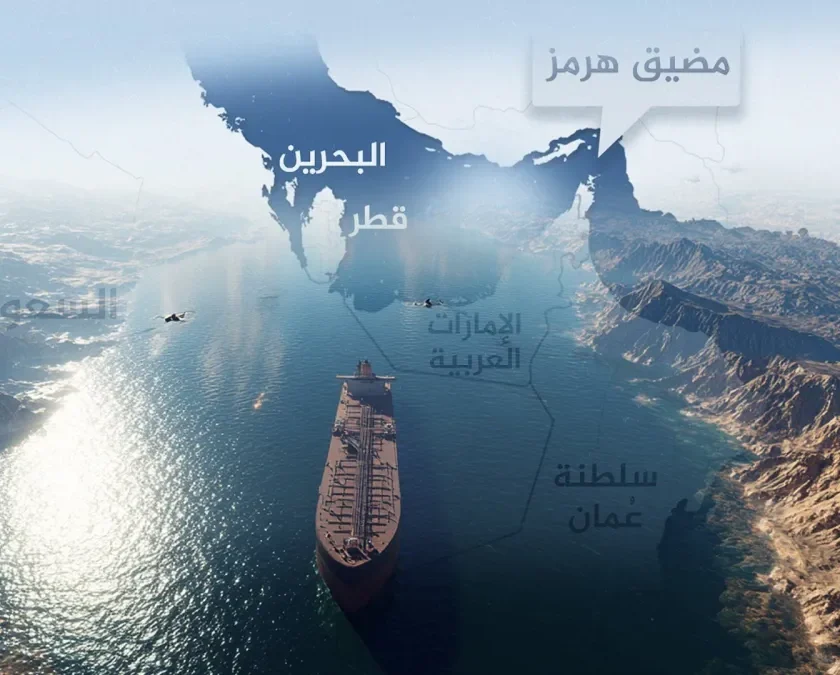
Why the Strait of Hormuz Remains the Core Issue
No aspect of the negotiations carries greater global significance than the Strait of Hormuz.
The narrow waterway serves as one of the world’s most important energy corridors, connecting Gulf oil producers to international markets.
A substantial portion of global oil shipments passes through the strait each day, making any disruption immediately relevant to consumers, businesses and governments worldwide.
During the recent crisis, shipping operations faced severe uncertainty as military tensions increased.
The proposed agreement seeks to guarantee freedom of navigation and reduce risks to commercial vessels.
For global markets, a stable Strait of Hormuz could help ease energy volatility and reduce concerns about supply disruptions.
Potential Impact on Global Oil Markets
Energy traders have closely monitored every development in the negotiations.
The prospect of increased Iranian oil exports has already influenced market expectations.
If sanctions are eased significantly:
Increased Supply
Iran could gradually expand oil exports to international markets, increasing global supply and potentially easing upward pressure on prices.
Market Rebalancing
Additional Iranian crude could alter trade flows across Asia, Europe and emerging markets.
Countries seeking diversified energy sources may view renewed Iranian exports as an opportunity to reduce supply risks.
Reduced Geopolitical Premium
Oil prices often include a “risk premium” during periods of geopolitical uncertainty.
A successful ceasefire could lower that premium by reducing fears of military escalation in the Gulf.
Nevertheless, energy analysts caution that implementation challenges could limit immediate market benefits.
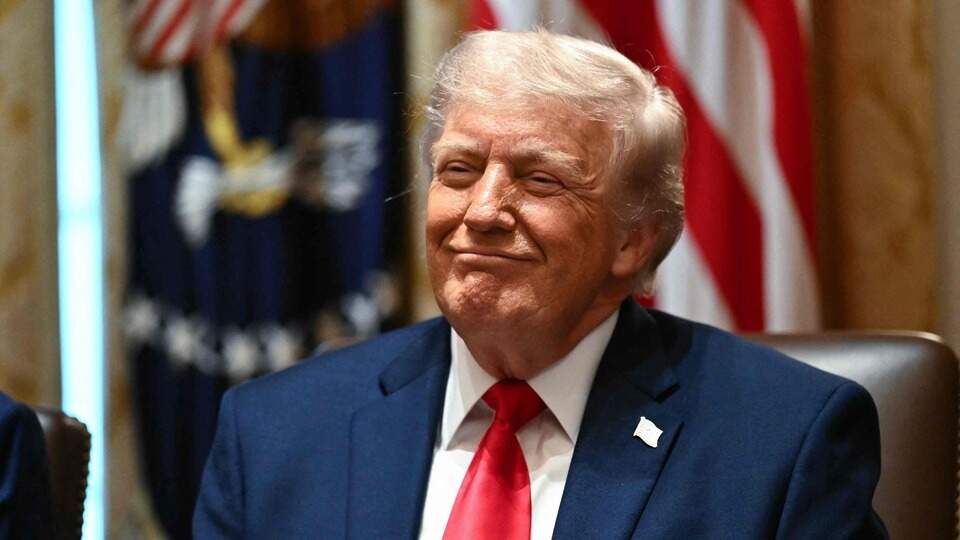
Trump’s Political Balancing Act
The proposed agreement places Donald Trump in a politically sensitive position.
Throughout his political career, Trump has frequently emphasized a tough approach toward Iran. Any decision to ease pressure now will inevitably attract scrutiny from supporters and critics alike.
Pressure From Hardliners
Many conservative lawmakers and security hawks argue that sanctions remain Washington’s most effective leverage against Tehran.
They fear that economic concessions could strengthen Iran without guaranteeing lasting behavioral changes.
Pragmatic Considerations
Others within the policy establishment contend that a controlled diplomatic settlement may better serve American strategic interests than prolonged military confrontation.
Supporters of engagement argue that reducing regional instability could improve energy security and lower the risk of another costly conflict.
Trump’s final decision is therefore likely to be interpreted as a broader statement about the future direction of U.S. foreign policy.
Iran’s Strategic Calculations
For Tehran, sanctions relief represents a potentially significant economic lifeline.
Years of restrictions have constrained investment, reduced export revenues and complicated access to international financial systems.
A successful agreement could provide:
- Higher oil revenues.
- Improved foreign exchange earnings.
- Greater economic stability.
- Expanded trade opportunities.
At the same time, Iranian leaders remain wary of making concessions that could be portrayed domestically as surrendering national sovereignty.
This explains Tehran’s resistance to certain U.S. demands regarding uranium stockpiles and nuclear infrastructure.
Iranian officials continue to insist that any agreement must respect the country’s right to peaceful nuclear activities.
Concerns Among Regional Allies
Not all regional actors view the proposed deal positively.
Saudi Arabia
Saudi policymakers have long viewed Iran as their primary strategic competitor.
While Riyadh supports regional stability, officials remain cautious about any arrangement that could significantly boost Iranian economic or military capabilities.
Israel
Israel has consistently argued that Iran’s nuclear ambitions pose a serious security threat.
Israeli leaders are expected to closely scrutinize any agreement involving sanctions relief or limits on pressure campaigns.
Gulf States
Smaller Gulf nations generally favor de-escalation but also seek strong verification measures to ensure compliance and prevent future crises.
The Verification Challenge
History suggests that implementation may prove more difficult than negotiation.
Verification remains one of the most contentious elements of the proposed framework.
Key questions include:
- How will compliance be monitored?
- What role will international inspectors play?
- What penalties will apply if either side violates the agreement?
- How quickly can sanctions be restored if commitments are broken?
Without clear answers, skepticism is likely to persist among policymakers and regional stakeholders.
Can This Become a Lasting Peace?
The proposed framework reflects a familiar pattern in U.S.–Iran relations: escalation followed by negotiation, crisis followed by cautious diplomacy.
Whether this latest effort succeeds depends on several factors:
- Trump’s final approval.
- Iran’s willingness to accept monitoring provisions.
- Regional acceptance of the agreement.
- Effective implementation mechanisms.
- Continued diplomatic engagement after the initial ceasefire period.
The history of U.S.–Iran relations is filled with failed breakthroughs and missed opportunities. That reality explains why many observers remain cautious despite recent progress.
The Bigger Picture
The current negotiations represent far more than a ceasefire discussion.
They are a test of whether two long-standing adversaries can move from military confrontation toward managed competition.
For Washington, the decision involves balancing deterrence with diplomacy.
For Tehran, it involves balancing economic recovery with strategic independence.
For the world, the outcome could influence energy prices, regional security and the future stability of one of the most important geopolitical regions on earth.
As Trump weighs his final decision, the Middle East stands at another pivotal moment—one that could either open a path toward de-escalation or trigger another cycle of confrontation.
Fact Check & Ground Reality
Current reporting confirms that discussions over a ceasefire extension and broader framework are ongoing. However, claims that a final agreement has already been reached remain unverified. Iranian officials continue to dispute several elements publicly described by Washington, particularly regarding uranium stockpiles and nuclear restrictions. International reporting also indicates that negotiations remain active and subject to change.
Sources Used for Verification
Reuters, The Guardian, The Washington Post, Los Angeles Times, Forbes, Al Jazeera and other international reporting published between May 24–29, 2026, indicate that negotiations are ongoing and no comprehensive final agreement has yet been formally announced.