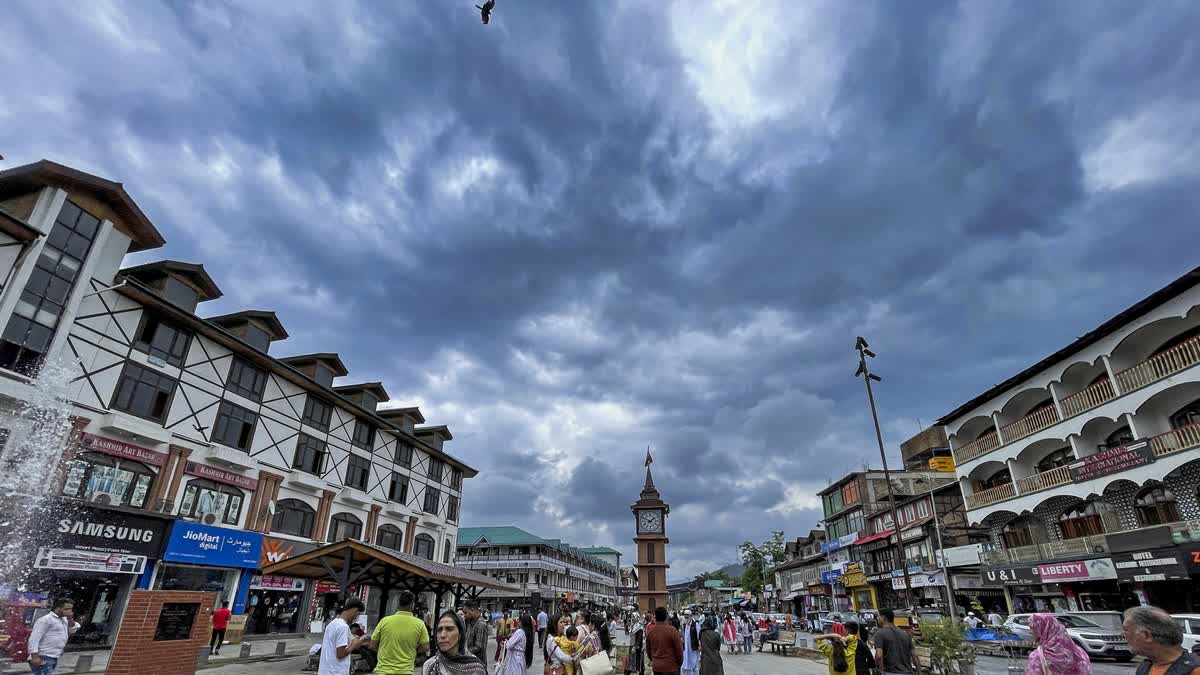
Jammu Heatwave 2026 vs Kashmir Pleasant Weather | Srinagar Showers Forecast & Temperature Update
By: Javid Amin | 25 April 2026
Jammu Sizzles at 39.5°C While Kashmir Enjoys Cool Showers: A Tale of Two Climates
Jammu and Kashmir is currently witnessing one of its most striking seasonal contrasts—scorching heat in the Jammu plains and refreshing spring showers in the Kashmir Valley.
While Jammu recorded a high of 39.5°C, placing it firmly in heatwave territory for April, Srinagar and nearby areas are experiencing mild temperatures, cloudy skies, and intermittent rainfall—a near-perfect spring setting.
This sharp divide is not unusual, but its intensity this year highlights how geography, altitude, and seasonal transitions shape life differently across the Union Territory.
Jammu Under Heatwave Grip: Early Summer Stress Builds
Ground Reality
- Streets wear a deserted look during peak afternoon hours
- People rely heavily on coolers, ACs, and hydration
- Increased electricity demand is putting pressure on power supply
- Farmers are concerned about soil moisture loss and crop stress
Why This Matters
Early heatwaves can:
- Disrupt wheat harvesting cycles
- Increase health risks, especially dehydration and heatstroke
- Strain urban infrastructure, especially electricity and water supply
Meteorologically, Jammu’s current temperatures align with India Meteorological Department (IMD) heatwave thresholds for plains (≥40°C or significant deviation from normal), indicating serious warming conditions for April.
Kashmir Valley Enjoys a Picture-Perfect Spring
Srinagar and surrounding areas are witnessing regular light showers, cloudy skies, and comfortable temperatures, creating a classic spring atmosphere.
On the Ground
- Gardens and orchards are lush and blooming
- Tourist spots like Dal Lake appear more scenic under cloudy skies
- Locals enjoy pleasant daytime temperatures (20–26°C)
- Occasional showers keep the air fresh and pollution-free
Environmental Benefits
- Rainfall supports apple, cherry, and almond orchards
- Maintains soil moisture levels crucial for agriculture
- Reduces forest fire risks compared to dry regions
Why Jammu & Kashmir Experience Such Extreme Weather Contrast
1. Terrain Difference
- Jammu lies in the subtropical plains, where land heats up quickly
- Kashmir Valley sits at a higher altitude, surrounded by the Himalayas
2. Altitude Effect
Temperature drops with height (environmental lapse rate).
Higher elevation in Kashmir = cooler air + slower warming
3. Western Disturbances
Kashmir is currently benefiting from western disturbances—moist weather systems bringing:
- Cloud cover
- Rainfall
- Occasional thunderstorms
These systems rarely impact Jammu with the same intensity.
4. Seasonal Transition Timing
- Jammu: Already shifting into summer mode
- Kashmir: Still firmly in spring phase
Also Read | Kashmir Spring 2026 Sale: Tulip Festival, Honeymoon & Family Packages from ₹30,000 | JKL Travels
Detailed Weather Forecast (April 26 – May 6, 2026)
Srinagar Forecast
- April 26–27: Partly sunny, highs 25–26°C, lows ~13°C
- April 28–30: Cloudy, highs 20–21°C, light rain likely
- May 1–3: Partly sunny, highs 23–24°C, brief showers
- May 4–6: Cloudy with rain, highs 21–22°C, cooler nights
Expect thundershowers around April 29–30 and May 5–6, keeping weather pleasant.
Jammu Forecast
- April 26–28: Sunny, highs 36–38°C, heatwave conditions
- April 29: Light showers, slight dip to 33°C
- April 30 – May 2: Mostly sunny, highs 33–35°C
- May 3–5: Intermittent showers, highs 30–35°C
- May 6: Heat returns, high near 38°C
Short-lived relief expected, but heatwave risk persists.
Impact Analysis: Heat Stress vs Climate Comfort
| Region | Weather Type | Key Impact |
|---|---|---|
| Jammu | Hot & Dry | Health risks, power demand, crop stress |
| Kashmir | Cool & Wet | Agricultural boost, tourism appeal |
This contrast underlines how climate variability within a small geographic area can shape economy, lifestyle, and environment differently.
Expert Insight: A Sign of Changing Climate Patterns?
While such contrasts are typical, earlier and more intense heatwaves in Jammu raise concerns. Climate experts point toward:
- Rising average temperatures in North India
- Increasing frequency of extreme weather events
- Greater dependence on short-duration rainfall systems in Kashmir
The pattern suggests a need for:
- Better heat action plans in Jammu
- Improved water management strategies
- Continued monitoring of climate shifts in Himalayan regions
Key Takeaways
- Jammu: Facing early heatwave, temperatures near 40°C
- Kashmir: Enjoying cool, rainy spring weather
- Reason: Geography, altitude, and western disturbances
- Outlook: Contrast will continue into early May
For residents:
- Jammu: Stay hydrated, avoid midday sun
- Kashmir: Enjoy the weather, but carry rain protection
Also Read | Experience Blossom Season in Ladakh – A Hidden Alternative to Japan’s Cherry Blossoms
Final Word
Jammu and Kashmir today feel like two different worlds sharing the same map—one battling rising heat, the other soaking in spring rain.
This natural contrast is beautiful, but it also serves as a reminder of how delicate and diverse regional climates can be—and how closely they are tied to broader environmental changes.