Ceasefire on the Brink: Israel–Lebanon Escalation Tests US–Iran Truce
By: Javid Amin | 09 April 2026
What began as a fragile pause between the United States and Iran is now under severe strain.
As of April 9, 2026, the region is witnessing a dangerous divergence: while the US–Iran ceasefire technically holds, the battlefield in Lebanon has intensified dramatically—threatening to unravel the entire diplomatic framework.
Israel’s largest strikes yet, Iran’s temporary disruption of the Strait of Hormuz, and renewed rocket fire by Hezbollah have pushed the crisis to a new inflection point.
Ground Report (April 9, 2026): What Happened Overnight
1. Israel Expands Air Campaign in Lebanon
Israel has continued and expanded its military operations in Lebanon under what it calls “Operation Eternal Darkness.”
Confirmed Developments
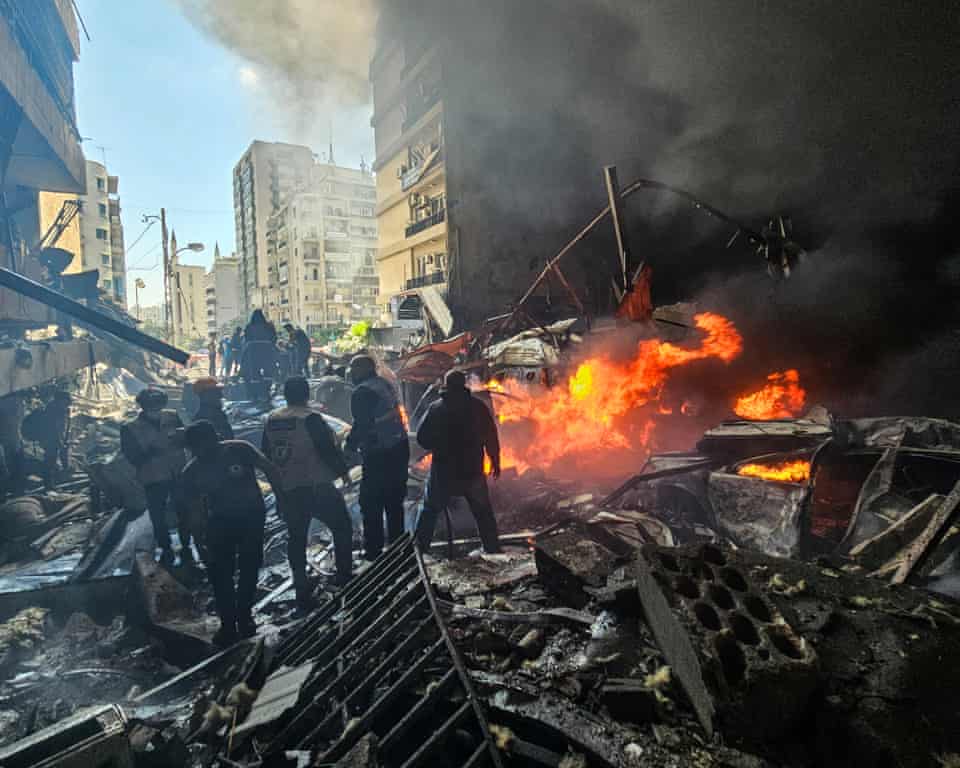
- Sustained airstrikes across Beirut and southern Lebanon
- Reported casualties remain high (over 250 killed, 1,000+ injured across April 8–9 window; figures still being updated)
- Targets described by Israel as Hezbollah infrastructure
Ground Reality
- Strikes have impacted densely populated urban zones, including areas near Beirut
- Civilian displacement has accelerated
- Emergency services are overwhelmed
Israel has reiterated that Lebanon is not covered under the US–Iran ceasefire—creating a critical loophole in the truce architecture.
2. Hezbollah Enters the Conflict Phase Again
Hezbollah has formally re-engaged:
- Rocket fire launched into northern Israel
- First confirmed attack since the ceasefire announcement
- Israeli air defenses intercepted several projectiles, but alerts triggered across border regions
This marks a transition from contained escalation to active multi-front engagement.
3. Iran’s Response: Hormuz Lever Activated—Then Partially Released
Iran briefly escalated by restricting traffic through the Strait of Hormuz:
Sequence
- Temporary closure/disruption following Israeli strikes in Lebanon
- Immediate global market reaction (oil spike)
- Partial reopening under international pressure
Strategic Message
Iran has signaled:
- Hormuz remains its primary leverage tool
- Any escalation in Lebanon can trigger economic retaliation
Tehran has also reiterated it will not participate in talks unless Lebanon is included in ceasefire terms.
4. United States: Pressure Without Escalation (For Now)
Donald Trump has responded with a mix of warning and restraint:
- Threatened “complete demolition” of Iranian infrastructure if Hormuz is closed again
- Reaffirmed commitment to keeping the ceasefire intact
- Continued diplomatic push for April 10 talks in Islamabad
The U.S. is now balancing:
- Preventing escalation
- Maintaining pressure on Iran
- Managing Israel’s independent military actions
Situation in Lebanon: Humanitarian Crisis Deepens
The most severe impact of the current escalation is being felt in Lebanon.
On the Ground
- Civilian casualties rising sharply
- Hospitals under strain
- Families displaced into temporary shelters
International Response
The United Nations has:
- Reiterated calls for restraint
- Warned of a worsening humanitarian crisis
- Highlighted the risk of regional destabilization
Situation Snapshot (April 9, 2026)
| Actor | Action | Impact |
|---|---|---|
| Israel | Expanded Lebanon strikes | High casualties, ceasefire strain |
| Iran | Temporary Hormuz disruption | Oil spike, global alarm |
| United States | Ultimatum + diplomacy | Pressure with restraint |
| Hezbollah | Rocket attacks on Israel | Multi-front escalation |
| UN | Humanitarian warning | Urgent call for de-escalation |
Global Impact: Markets React to Instability
Energy Markets
- Oil briefly surged above $105 before stabilizing
- Volatility remains extreme
- Traders reacting to Hormuz uncertainty
Shipping & Trade
- Insurance premiums remain elevated
- Shipping routes still cautious despite partial reopening
Strategic Analysis: Why the Ceasefire Is Breaking Down
1. Structural Flaw: Lebanon Excluded
The ceasefire applies to:
- US–Iran hostilities
But excludes:
- Israel–Lebanon conflict
This creates:
- Parallel wars
- Conflicting escalation dynamics
2. Multi-Actor Complexity
The crisis now involves:
- U.S.
- Iran
- Israel
- Hezbollah
- Gulf states
Each actor has:
- Different objectives
- Different escalation thresholds
3. Leverage vs Stability
Iran uses Hormuz as leverage
Israel uses strikes to neutralize threats
These strategies are fundamentally incompatible within a ceasefire framework.
What Happens Next (April 9–10 Window)
1. Talks Proceed (Conditional)
If Lebanon violence slows:
- Iran may attend Islamabad talks
- Ceasefire could stabilize
2. Talks Collapse (Rising Risk)
If strikes continue:
- Iran withdraws
- Hormuz threatened again
- Ceasefire breaks
3. Controlled Escalation
- Limited strikes continue
- Diplomacy limps forward
- Region remains unstable
Final Assessment: A Ceasefire in Name Only
The April 9 ground reality is clear:
- The US–Iran ceasefire technically holds
- But the regional conflict is expanding
- Lebanon has become the निर्णायक battleground
This is no longer a single conflict—it is a layered crisis with overlapping wars.
Bottom Line
- Israel’s largest strikes on Lebanon have destabilized the ceasefire
- Iran has demonstrated its ability to disrupt global oil flows via Hormuz
- Hezbollah’s entry raises the risk of full regional war
- April 10 Islamabad talks are now at serious risk
Unless Lebanon is brought into the ceasefire framework immediately, the current truce may collapse—triggering a broader and far more dangerous phase of conflict.